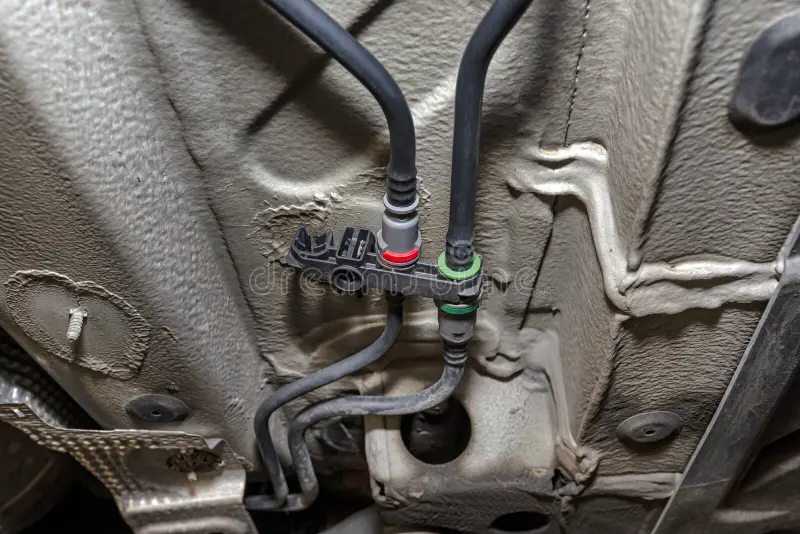
High-pressure fuel lines are critical components in aerospace, power generation, petrochemical, and marine industries. These systems often operate under extreme temperatures and corrosive environments, demanding materials that can withstand both mechanical and chemical stress. One such material that excels in these harsh conditions is Inconel 800 Bars.
In this blog, we’ll explore why Inconel 800 Bars are an excellent choice for high-pressure fuel line applications, looking at their properties, advantages, and real-world uses.
What are Inconel 800 Bars?
Inconel 800 is a nickel-iron-chromium alloy known for its strength and resistance to oxidation and carburization at high temperatures. Inconel 800 Bars are solid cylindrical or hexagonal rods formed from this alloy and are widely used in components exposed to aggressive environments.
The alloy contains:
- 30–35% Nickel
- 19–23% Chromium
- Balance Iron
- Small amounts of aluminum and titanium for added strength
Why Material Choice Matters in Fuel Lines
Fuel lines carry flammable liquids or gases under high pressure. The material used in these lines must:
- Resist corrosion from fuels and additives
- Withstand high-pressure flow without bursting
- Maintain strength and integrity at elevated temperatures
- Avoid cracking or fatigue over long periods of use
Traditional materials like carbon steel and stainless steel may not always meet all these criteria, especially in extreme applications. That’s where Inconel 800 Bars come into play.
Key Properties of Inconel 800 Bars for Fuel Line Applications
1. Exceptional High-Temperature Strength
Fuel lines in jet engines, power plants, and industrial burners can face temperatures exceeding 600°C. Inconel 800 Bars maintain mechanical strength and dimensional stability even up to 1100°C, making them ideal for these settings.
2. Resistance to Oxidation and Corrosion
Fuel often contains impurities and chemicals that can corrode standard metals. Inconel 800 resists oxidation, carburization, and sulfidation, allowing it to perform well in chemically aggressive environments.
3. Stress-Corrosion Cracking Resistance
Many metals fail under the combined effects of tensile stress and corrosive agents. Inconel 800 Bars are engineered to resist this type of failure, offering long-term reliability in high-pressure systems.
4. Excellent Weldability and Formability
Fuel lines often need to be bent, shaped, and joined. Inconel 800 Bars offer excellent workability, allowing manufacturers to fabricate complex fuel delivery systems without compromising performance.
Applications of Inconel 800 Bars in Fuel Systems
Aerospace Fuel Lines
Jet engines use high-pressure fuel lines to deliver fuel into combustion chambers. These lines operate at extremely high temperatures and are prone to corrosion from fuel additives. Inconel 800 Bars ensure leak-proof and heat-resistant fuel delivery in such critical systems.
Industrial Gas Turbines
Gas turbines in power plants use high-pressure fuel injection. The harsh environments inside turbines make Inconel 800 Bars ideal for manufacturing fuel injector components and conduits.
Petrochemical Processing Plants
Fuel lines in these plants must resist both internal chemical attack and external atmospheric corrosion. Inconel 800’s superior corrosion resistance allows safe and efficient operation over longer periods.
Marine Diesel Engines
In marine vessels, high-pressure fuel lines must withstand saltwater exposure and vibrations. Inconel 800 Bars offer the perfect combination of corrosion resistance and mechanical durability.
Inconel 800 Bars vs. Other Alloys for Fuel Lines
|
Feature |
Carbon Steel |
Stainless Steel |
Inconel 800 Bars |
|
Max Operating Temp |
~400°C |
~700°C |
~1100°C |
|
Corrosion Resistance |
Low |
Moderate |
Excellent |
|
High-Pressure Resistance |
Moderate |
Good |
Excellent |
|
Stress-Corrosion Resistance |
Poor |
Moderate |
Excellent |
|
Longevity in Harsh Conditions |
Short |
Medium |
Long |
As seen in the comparison, Inconel 800 Bars outperform common materials used in fuel lines, especially in high-temperature, corrosive, or high-pressure environments.
Benefits of Choosing Inconel 800 Bars
- Enhanced Safety: With high resistance to bursting or cracking under pressure, Inconel 800 Bars reduce fuel leakage risks.
- Lower Maintenance Costs: These bars have a long service life, minimizing the need for replacements or repairs.
- Greater System Efficiency: Less downtime and stronger fuel delivery performance improve overall operational efficiency.
- Sustainability: Longer-lasting materials reduce waste and the need for frequent resource consumption.
Tips for Working with Inconel 800 Bars
- Use Carbide Tools: For machining Inconel 800 Bars, use carbide-tipped tools due to the alloy’s work-hardening characteristics.
- Preheat Before Welding: This ensures better weld quality and reduces the chance of cracking.
- Pick the Right Surface Finish: Depending on application, bars can be supplied in black, bright, or polished finishes.
Final Thoughts
Inconel 800 Bars have become a top-tier material choice for high-pressure fuel line systems thanks to their strength, corrosion resistance, and heat tolerance. Whether you’re in aerospace, power generation, or petrochemicals, choosing Inconel 800 for your fuel system components ensures performance, safety, and long-term reliability.
If you are sourcing Inconel 800 Bars for your next project, ensure they meet ASTM B408 or equivalent standards for optimal performance.