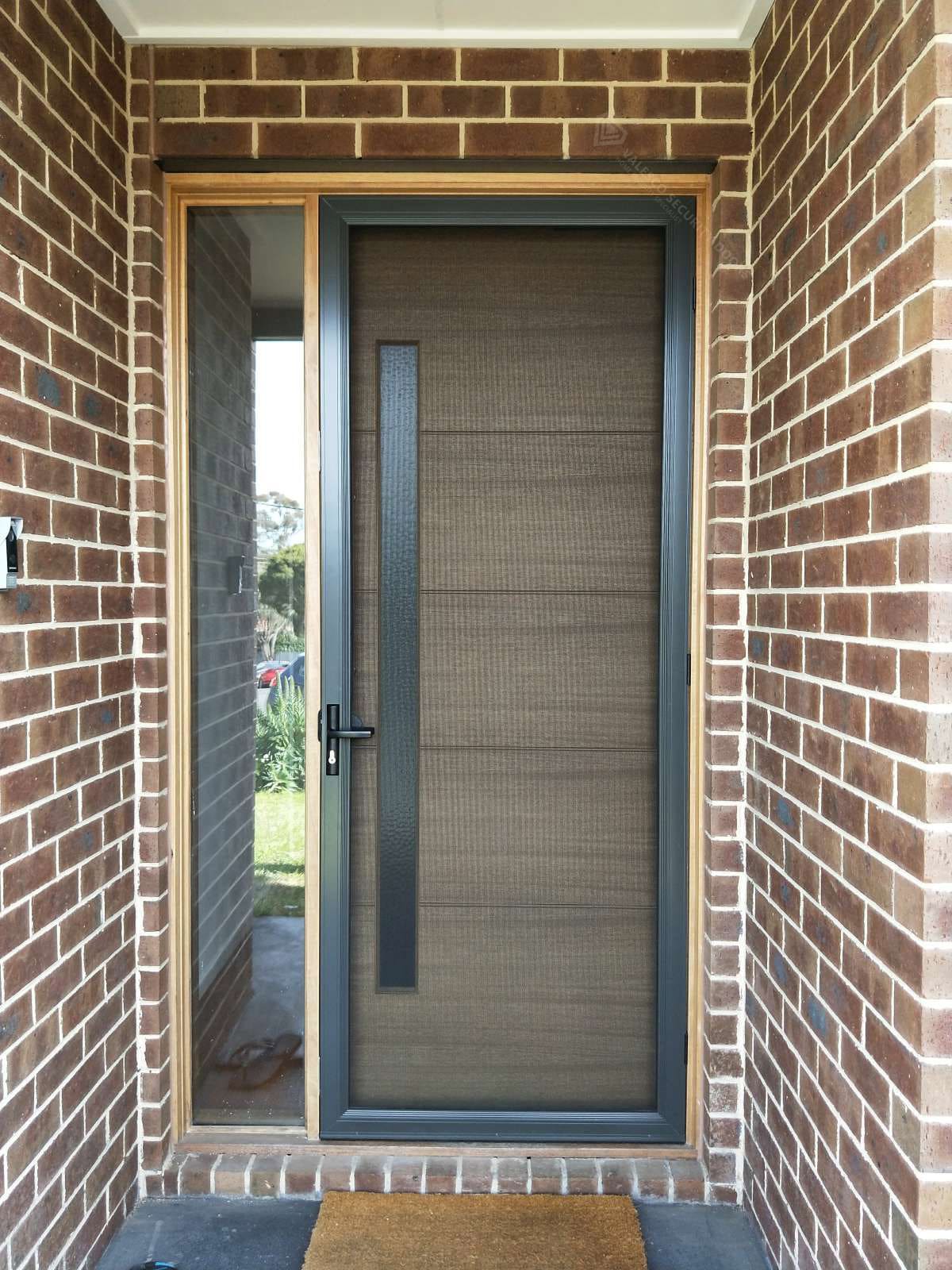
In an era where security concerns are at an all-time high, security doors have become an essential feature for both residential and commercial properties. More than just a barrier, a high-quality security door provides peace of mind, deters intruders, and adds value to any building. Whether you’re safeguarding a family home or a retail premises, investing in a durable and reliable security door is a smart and necessary decision.
This article explores the features, types, benefits, materials, and considerations involved in selecting the right security door.
What Is a Security Door?
A security door is a specially designed entrance or internal door made from strong materials, reinforced frames, and secure locking systems to prevent unauthorized access. Unlike standard doors, security doors are engineered to withstand impact, forced entry, and, in some cases, fire or extreme weather conditions.
They can be installed at front entrances, side doors, patios, or even internally to protect high-risk areas such as storage rooms or safe rooms.
Key Features of Security Doors
High-quality security doors are built with a combination of strength and function. Some of the core features include:
1. Reinforced Frames
Frames are typically made from solid steel or aluminium and are securely anchored into the surrounding structure.
2. Heavy-Duty Locks
Multi-point locking systems, deadbolts, and tamper-proof hinges are standard in modern security doors to prevent prying and lock picking.
3. Impact-Resistant Panels
Security doors often feature reinforced steel, aluminium, or metal alloys that can resist battering and attempts at forced entry.
4. Security Screens
Many security doors come with high-tensile mesh screens that allow for ventilation while keeping out intruders, insects, and debris.
5. Fire and Weather Resistance
Depending on the design, some security doors also offer fire resistance and protection against wind, rain, and temperature extremes.
Types of Security Doors
There are several types of security doors, each designed to meet specific needs and environments.
Steel Security Doors
These are among the strongest options available and are often used for back doors, industrial units, and garages. They offer excellent protection against break-ins.
Aluminium Security Doors
Lightweight yet durable, aluminium doors resist corrosion and are ideal for coastal or humid environments. Many come with a powder-coated finish for additional protection.
Security Screen Doors
These doors combine mesh screens with steel or aluminium frames. They allow airflow while keeping the premises secure and are popular for front entries in residential properties.
Timber Security Doors with Reinforcement
These combine the aesthetic appeal of wood with internal steel reinforcement. Ideal for homeowners who want a stylish yet secure entrance.
Bulletproof and Blast-Resistant Doors
Primarily used in government buildings, banks, and high-risk zones, these doors offer maximum protection against armed threats and explosions.
Benefits of Installing Security Doors
Enhanced Safety
The primary purpose of a security door is to protect against intrusion. Its robust construction significantly reduces the risk of unauthorized access, burglary, or vandalism.
Increased Property Value
Security doors not only make a property more secure but also increase its value. Potential buyers or tenants are more likely to invest in properties with visible and effective security measures.
Improved Energy Efficiency
Many security doors are insulated, helping to maintain indoor temperatures and reduce energy costs.
Noise Reduction
Thicker materials and insulation help minimize external noise, especially useful in urban or high-traffic areas.
Peace of Mind
Knowing that your property is protected by a reinforced entryway offers invaluable reassurance whether you’re at home, at work, or away.
Materials Used in Security Doors
Choosing the right material depends on your security requirements, aesthetic preferences, and budget.
-
Steel: Offers maximum strength and durability; ideal for high-security applications.
-
Aluminium: Lightweight, rust-resistant, and suitable for moderate security.
-
Timber: Often used for style, but usually reinforced internally for strength.
-
Fibreglass: A low-maintenance option that offers decent strength and energy efficiency.
-
Composite: Combines several materials (such as steel, wood, and plastic) for balanced performance.
Installation and Maintenance
Professional Installation
For a security door to perform effectively, professional installation is crucial. Poorly fitted doors can have vulnerabilities, even if the materials are high-grade.
Regular Maintenance
While most security doors are low-maintenance, they still require periodic inspection. Ensure hinges, locks, and frames are in good working order. Clean the surface and mesh screens as needed, and check for signs of corrosion or wear.
Where to Use Security Doors
Security doors can be installed in various settings to suit different needs:
-
Homes: Front doors, back entrances, patio doors, and side access points.
-
Retail Stores: Front entries, storage areas, and emergency exits.
-
Offices: Main entrances, IT rooms, and archives.
-
Warehouses and Factories: Loading bays, stockrooms, and administration offices.
-
Schools and Institutions: Main gates, administrative areas, and access control points.
Things to Consider Before Buying
Security Rating
Look for doors that comply with national or international security standards. In the UK, for example, PAS 24 certification ensures a tested level of security performance.
Aesthetics
Security doesn’t have to be ugly. Choose from various finishes, colours, and designs to match the architectural style of your property.
Budget
While high-quality security doors may seem costly upfront, they provide long-term savings by reducing the likelihood of theft and property damage.
Insurance Benefits
Some insurers offer lower premiums for properties with certified security doors, making them a cost-effective investment over time.
Conclusion
Security doors are no longer just a feature of commercial buildings or high-crime areas. They have become a practical, stylish, and effective solution for any property owner who values safety, functionality, and peace of mind. By investing in a well-designed and properly installed security door, you not only protect your assets and loved ones but also enhance the overall value and appeal of your property.