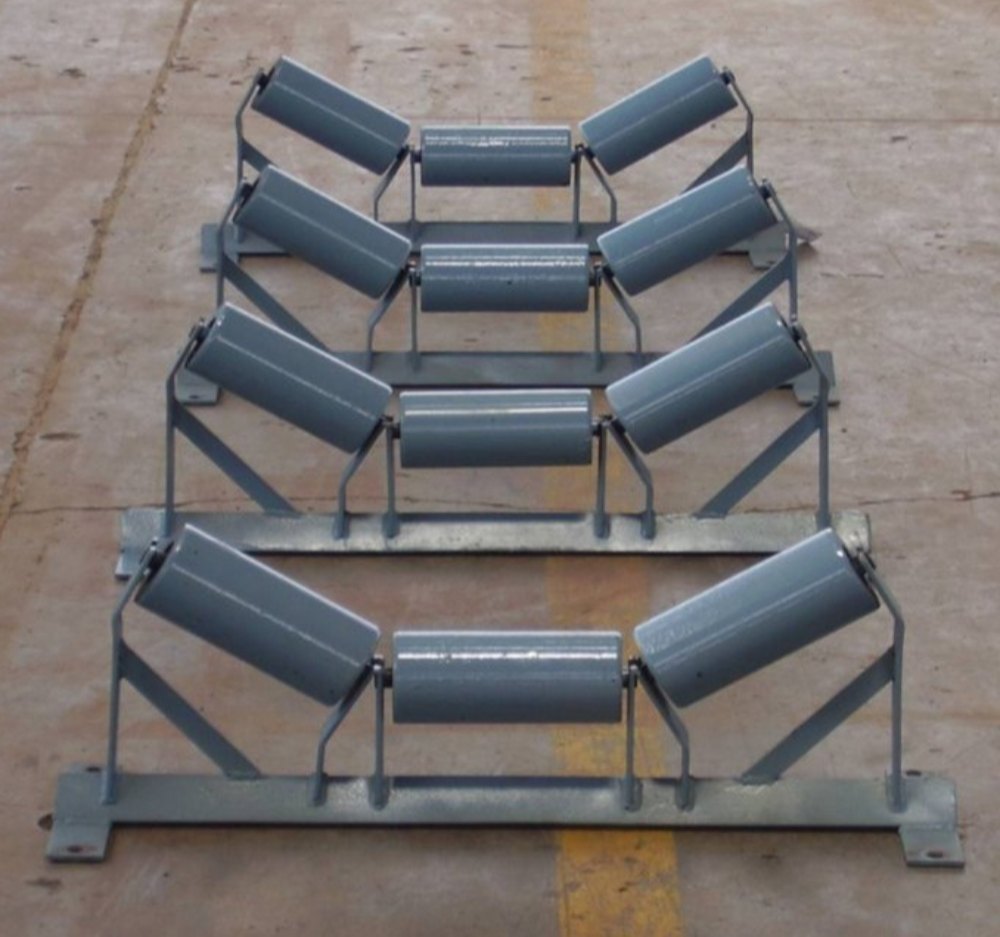
Conveyor belt systems are the backbone of countless industrial and material handling operations. From mining and manufacturing to packaging and logistics, they rely on durable frame structures to ensure smooth, uninterrupted performance. One of the key choices in building these systems is the type of support tubing used in the frame — traditionally, round tubes have dominated, but the rise of the hexagon tube is changing that conversation.
In this blog, we’ll explore the difference between hexagon and round tubes and determine which one is better suited for conveyor belt frames.
- Understanding Tube Geometry and Structural Support
Round tubes are known for their even distribution of stress, making them a popular choice in general applications. However, hexagon tubes offer more flat surfaces and edges, which can translate to better load-bearing capacity when used in a framework. This added stability is especially useful in dynamic conveyor belt environments where vibration and movement are constant.
- Benefits of Hexagon Tube in Conveyor Systems
When it comes to industrial conveyor frames, hexagon tubes provide several unique advantages:
- Enhanced Grip for Fastening: The flat sides of hexagon tubes make it easier to drill, bolt, or weld components without slipping, ensuring secure connections.
- Greater Rigidity: Hexagon tubing resists bending and deformation better under heavy loads due to its multi-angled shape.
- Optimized Space Use: Hexagon structures allow for tighter, more space-efficient designs, especially when multiple tubes are joined.
These benefits make hexagon tube a reliable alternative to round tube designs, particularly in conveyor systems that require heavy-duty or precision framing.
- Comparing Round Tubes: Simplicity vs. Function
Round tubes are lightweight and easy to manufacture. They’re ideal for standard conveyor belt systems that don’t experience extreme pressure or wear. However, they can fall short in high-impact applications where movement and torque strain the structural joints.
While round tubes may offer simplicity, they often require additional reinforcements or brackets to achieve the same level of durability that hexagon tubes naturally provide.
- Cost Efficiency and Long-Term Value
At first glance, round tubes may be more affordable due to widespread availability and simpler production. However, hexagon tubes tend to offer better long-term performance in demanding conveyor systems. With fewer maintenance needs and lower chances of structural failure, they can reduce downtime and associated costs.
- Which Should You Choose for Conveyor Belt Frames?
- Choose Round Tubes If: You’re building lightweight or low-stress conveyor frames with budget limitations.
- Choose Hexagon Tubes If: You need greater strength, better joint alignment, and durability for high-load or precision conveyor systems.
Final Thoughts
As conveyor technology evolves, the supporting structures must evolve with it. The hexagon tube stands out as a modern solution offering both strength and efficiency in conveyor belt frame construction. Its unique shape makes it more suitable for high-performance applications where rigidity, fastening ease, and vibration resistance are key.
For industries looking to upgrade their conveyor infrastructure, switching to hexagon tube-based designs could mean fewer breakdowns, better load handling, and increased productivity.