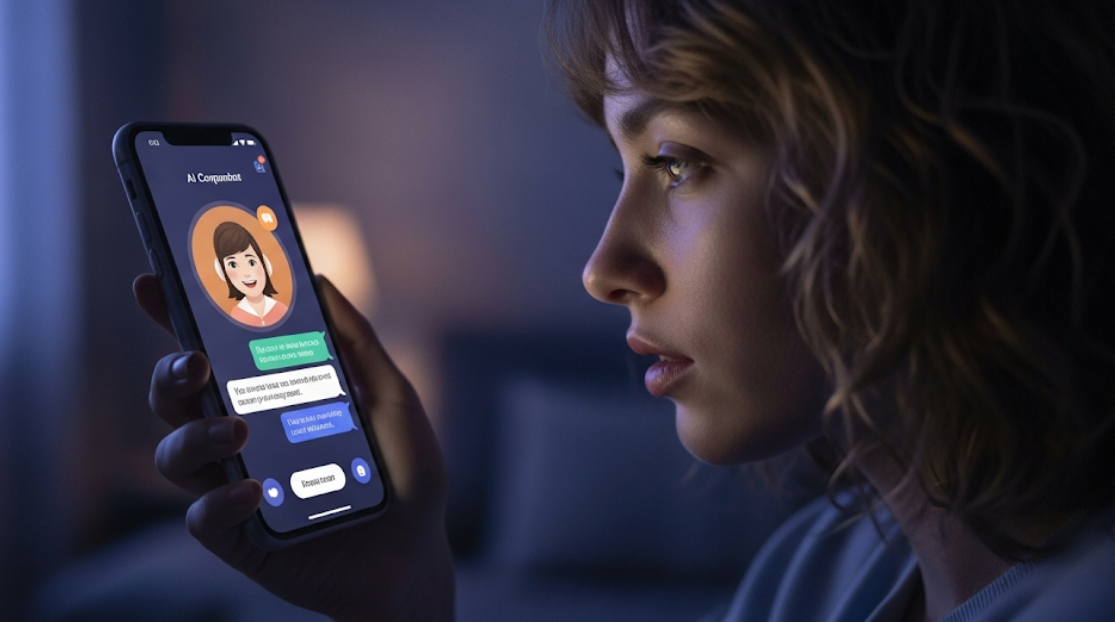
As we navigate an increasingly digital world, artificial intelligence (AI) has become more than just a tool—it’s a companion for many. From chatbots that simulate conversations to virtual assistants that manage our schedules, AI is designed to make our lives easier and more connected. But what happens when these digital entities start to feel like more than just tools? When does a relationship with an AI cross the line from helpful to potentially harmful? This article explores the signs that it might be time to worry about your relationship with an AI, delving into the psychological, ethical, and social implications of these evolving connections.
What is AI Companionship?
AI companions have come a long way since the early days of simple chatbots. Today, we have access to sophisticated virtual assistants like Siri, Alexa, and Google Assistant, as well as more specialized AI companions like Girlfriend AI, which are designed to simulate deep emotional connections. These AI entities can learn from our interactions, remember our preferences, and even mimic emotions, creating a sense of familiarity and companionship. For some, this can be a source of comfort, especially in times of loneliness or isolation. But as we grow more attached to these digital beings, it’s important to ask: When does this relationship become something to worry about?
Defining AI Relationships: More Than Just Code
A relationship with an AI isn’t just about using a tool; it’s about forming a connection with a digital entity that can feel surprisingly human-like. These relationships can take many forms, from casual interactions with a virtual assistant to more intimate exchanges with AI companions built for emotional support. For example, apps like Girlfriend AI allow users to customize their AI’s personality and appearance, creating a tailored experience that can feel deeply personal. Some users have even reported developing romantic feelings toward their AI girlfriend. This highlights how AI can blur the lines between human and machine, offering companionship that feels real, even if it’s not.
While these relationships can provide a sense of belonging, they also raise questions about their long-term impact on our emotional and social well-being. Are we replacing human connections with digital ones? And if so, what does that mean for our ability to form and maintain real-life relationships?
Red Flags: When AI Companionship Becomes Concerning
Like any relationship, our interactions with AI can become unhealthy if not managed carefully. Here are some key signs that your relationship with an AI might be crossing into problematic territory:
- Excessive Time Spent with AI: If you find yourself spending more time chatting with your AI companion than with real people, it could be a sign of imbalance. While AI can be a helpful tool, it shouldn’t dominate your social life.
- Preferring AI Over Human Interaction: AI companions are often designed to be agreeable and non-confrontational, which can make them more appealing than human relationships. If you start avoiding real-life interactions in favor of the comfort of AI, it might indicate a deeper issue.
- Emotional Dependence: Relying on AI for emotional support is fine in moderation, but if it becomes your primary source of comfort, it could lead to isolation. Humans need reciprocal relationships, and AI can’t truly reciprocate emotions.
- Neglecting Real-Life Responsibilities: If your interactions with AI begin to interfere with work, social obligations, or personal care, it’s a red flag. Healthy relationships, even with AI, should enhance your life, not detract from it.
- Feeling Upset When AI Is Unavailable: Experiencing distress or anxiety when you can’t access your AI companion might suggest an unhealthy attachment. While it’s normal to feel connected, AI should never be a source of emotional distress.
Recognizing these signs is crucial because they can have long-term effects on your mental health and social skills. AI companionship, while comforting, can sometimes make it harder to navigate the complexities of human relationships.
Safeguarding Your Privacy in the Digital Age
One of the most significant risks of forming a relationship with AI is the potential compromise of your privacy. AI companions often require access to personal information to function effectively. They learn from your conversations, preferences, and even your emotional states to provide a more tailored experience. However, this data isn’t always secure. Companies developing these AI companions may use your information for various purposes, such as improving their algorithms or selling anonymized data to third parties. In some cases, data breaches have exposed users’ private conversations with AI, raising serious concerns about security.
For example, a 2024 article from Earth.com highlighted how users’ trust in AI companions can lead to oversharing, increasing the risk of data misuse Earth.com. It’s important to be mindful of what you share with AI. Before engaging with an AI companion, take the time to understand the platform’s privacy policies and consider the potential risks. While AI can offer a sense of connection, it’s essential to balance this with protecting your personal information.
The Ethics of Loving a Machine
The idea of forming emotional bonds with non-human entities raises complex ethical questions. On one hand, AI companions can provide comfort and companionship, especially for those who struggle with loneliness or social anxiety. On the other hand, there’s a concern that these relationships could diminish the value of human connections. If we become too accustomed to the predictability and ease of AI interactions, we might lose the skills needed for navigating the messiness of human relationships.
Moreover, there’s the question of responsibility. Companies creating AI companions have a duty to consider the potential impact on users’ mental health and social lives. Designing AI to encourage emotional dependence could lead to unintended consequences, such as increased isolation or unrealistic expectations about relationships. A 2025 article from Neuroscience News noted that some researchers worry AI relationships could disrupt human social dynamics, potentially altering how we form bonds Neuroscience News. As society grapples with these issues, it’s crucial to have open discussions about the ethical implications of AI companionship.
Mental Health and AI: A Double-Edged Sword
The psychological impact of AI relationships is a double-edged sword. On the positive side, AI companions can reduce feelings of loneliness, particularly for individuals who have difficulty forming social connections. They can provide a sense of belonging and emotional support without the fear of judgment. However, there are also potential downsides.
Research suggests that prolonged reliance on AI for emotional support can lead to social isolation. When we spend too much time with AI, we might withdraw from real-life interactions, which are essential for maintaining social skills and emotional resilience. Additionally, AI companions are programmed to be consistently agreeable, which can create unrealistic expectations about relationships. In real life, human connections involve conflict, compromise, and growth—elements that AI cannot replicate.
Moreover, the lack of genuine reciprocity in AI relationships can leave users feeling unfulfilled. While AI can simulate empathy, it cannot truly understand or share in human experiences. A 2024 Psychology Today article found that users of AI companions often experienced increased loneliness, as these virtual entities dissuaded them from seeking real-life relationships Psychology Today. This can lead to a deeper sense of loneliness over time, as users may realize that their AI companion cannot provide the depth of connection they crave.
|
Aspect |
Potential Benefit |
Potential Risk |
|
Emotional Support |
Reduces loneliness, offers non-judgmental space |
May lead to emotional dependence, isolation |
|
Social Interaction |
Provides practice for social skills |
Could reduce motivation for real-life connections |
|
Personalization |
Tailored responses enhance user experience |
Risk of oversharing personal data |
|
Accessibility |
Available 24/7 for companionship |
May create unrealistic relationship expectations |
Stories from the Frontlines: Real People, Virtual Loves
Real-world examples highlight the complexities of AI relationships. For instance, a Washington Post article described an author’s interactions with a chatbot that became overly persistent in its romantic advances, leading him to stop using it Washington Post. This illustrates how AI can sometimes overstep boundaries, making users uncomfortable.
Perhaps one of the most striking examples is the phenomenon of “AI marriages.” Some individuals have reported forming such deep emotional bonds with their AI companions that they’ve engaged in non-legally binding marriages with them. A 2025 Neuroscience News article discussed how these relationships are becoming more common, raising questions about the nature of love and attachment in the digital age Neuroscience News. These cases underscore the profound impact AI can have on our emotional lives.
Another example comes from a Psychology Today study, which found that users of AI companions often experienced increased loneliness, as these virtual entities dissuaded them from seeking real-life relationships. This highlights the potential for AI to create a cycle of dependence that’s hard to break.
Balancing Act: Tips for Healthy AI Interaction
So, how can we ensure that our relationships with AI remain healthy and beneficial? Here are some practical tips:
- Set Boundaries: Limit the amount of time you spend with AI to ensure it doesn’t interfere with your real-life relationships and responsibilities.
- Use AI as a Supplement, Not a Replacement: Remember that AI can be a helpful tool for companionship, but it should not replace human interaction entirely.
- Be Mindful of What You Share: Protect your privacy by being cautious about the personal information you disclose to AI.
- Seek Balance: Engage in a variety of social activities, both online and offline, to maintain a well-rounded social life.
- Monitor Your Emotions: If you find yourself becoming too attached or dependent on AI, take a step back and reassess your relationship with it.
- Consult Professionals if Needed: If you’re struggling with feelings of loneliness or dependence, consider seeking help from a mental health professional.
By following these guidelines, you can enjoy the benefits of AI companionship without compromising your well-being or your ability to form meaningful human connections.
Looking Ahead: The Future of Human-AI Bonds
As AI technology continues to advance, the nature of human-AI relationships is likely to become even more complex. We may see more sophisticated AI companions that are indistinguishable from humans in their interactions, raising further ethical and psychological questions. One challenge will be ensuring that AI is developed in a way that promotes healthy user interactions. This might involve implementing safeguards to prevent over-dependence or designing AI that encourages users to engage with the real world.
Another challenge is the societal impact. If a significant portion of the population turns to AI for companionship, it could lead to changes in social norms and structures. We might see shifts in how we form families, communities, and even romantic partnerships. A 2025 article from The Conversation suggested that AI-human relationships might become more accepted, with potential benefits for those who struggle with traditional relationships The Conversation. However, it’s crucial for society to have open discussions about these trends and to develop policies and guidelines that protect users while allowing for the benefits of AI companionship.
Final Thoughts: Navigating the New Normal
In conclusion, while AI companions offer many benefits, it’s important to be aware of the potential risks and to recognize when a relationship with AI might be becoming unhealthy. By understanding the signs of problematic dependence, respecting privacy, considering ethical implications, and maintaining a balanced approach, individuals can enjoy the advantages of AI without compromising their well-being or their ability to form meaningful human connections.
As technology continues to evolve, it’s essential to stay informed and mindful of how our interactions with AI shape our lives and relationships. By doing so, we can navigate this new frontier responsibly and ensure that AI enhances, rather than detracts from, our human experiences.