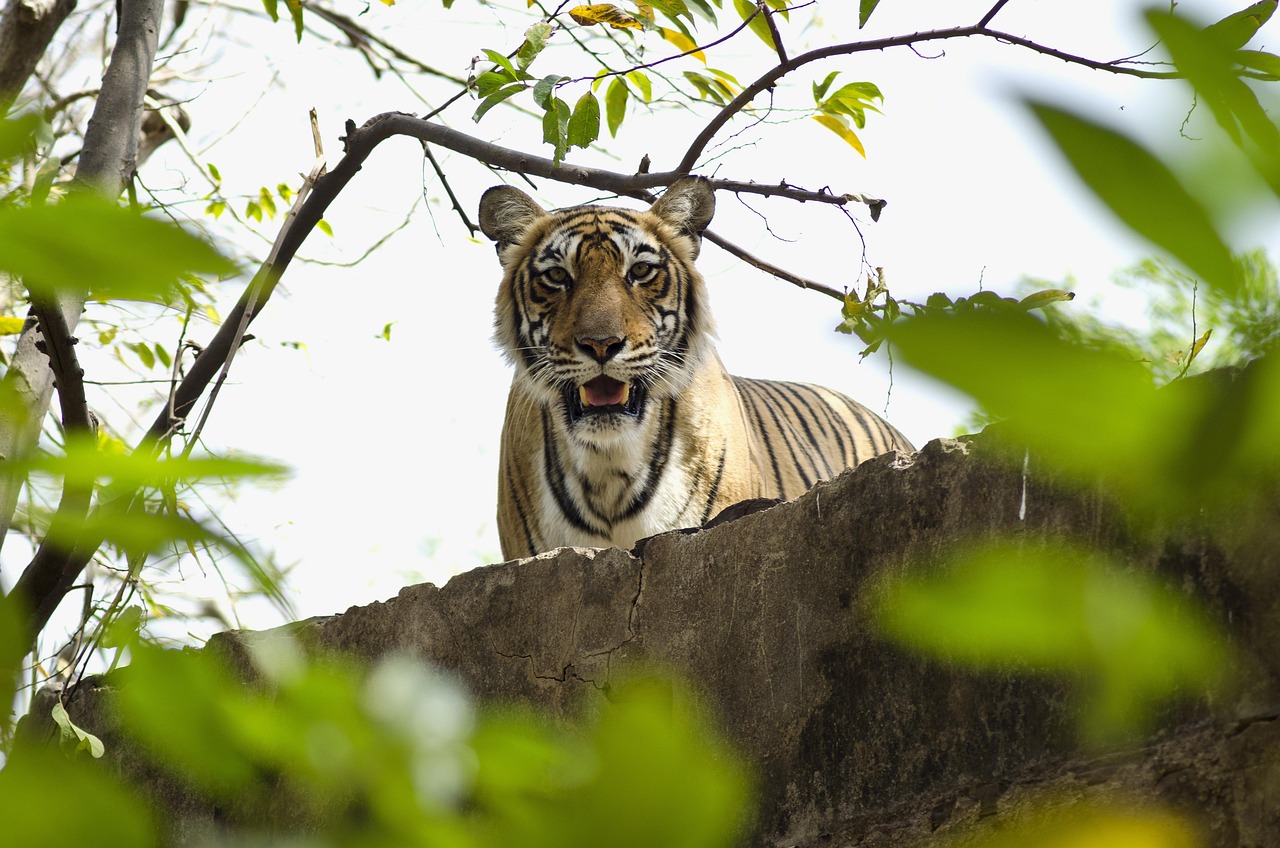
If you’re seeking an unforgettable wildlife adventure in India, a Ranthambore tour is the perfect choice. Nestled in the Sawai Madhopur district of Rajasthan, Ranthambore National Park is one of India’s most celebrated wildlife reserves. Known for its thriving population of Royal Bengal Tigers, ancient ruins, and scenic landscapes, this destination promises a thrilling experience for nature enthusiasts, photographers, and adventure seekers alike.
Why Choose a Ranthambore Tour?
A Ranthambore tour offers a rare opportunity to witness majestic tigers in their natural habitat. Unlike other tiger reserves, Ranthambore’s unique terrain—dotted with lakes, hills, and old fortifications—makes it easier to spot wildlife. Besides tigers, the park is home to leopards, sloth bears, wild boars, crocodiles, and over 300 species of birds.
This national park also holds historical significance. The 10th-century Ranthambore Fort, a UNESCO World Heritage Site, adds a cultural dimension to your wildlife escapade. Exploring the fort offers panoramic views of the park and a glimpse into Rajasthan’s royal past.
Best Time to Plan Your Ranthambore Tour
The park is open to visitors from October to June, with peak sightings from March to May, when animals are drawn to water sources. For pleasant weather and lush greenery, October to February is ideal, though tiger sightings may be less frequent.
How to Reach Ranthambore
Ranthambore is easily accessible:
- By Air: The nearest airport is in Jaipur (about 160 km away).
- By Train: Sawai Madhopur Railway Station is well-connected to major cities like Delhi, Mumbai, and Jaipur.
- By Road: You can drive from Jaipur, Delhi, or Agra with comfortable road conditions.
Once you arrive at Sawai Madhopur, taxis and hotel transfers make the final leg of your Ranthambore tour hassle-free.
Safari Experience in Ranthambore
The core of every Ranthambore tour is the thrilling jungle safari. The park is divided into 10 zones, and safaris are conducted in two types of vehicles—6-seater gypsies and 20-seater canters. Each safari lasts around 3.5 hours and is available in the morning (6:30 am – 10:00 am) and afternoon (2:30 pm – 6:00 pm).
Booking your safari in advance is crucial, especially during peak seasons. While sightings aren’t guaranteed, experienced guides and naturalists enhance your chances with their knowledge of animal behavior and tracking skills.
Accommodation Options for Ranthambore Tour
From budget hotels to luxury jungle lodges, Ranthambore caters to every kind of traveler:
- Luxury: The Oberoi Vanyavilas, Aman-i-Khas, and Sher Bagh offer premium experiences with curated safaris, gourmet dining, and spa services.
- Mid-Range: Ranthambore Regency, Nahargarh, and Tiger Den Resort offer comfort with great hospitality.
- Budget: Options like Ankur Resort or Vatika Resort provide basic amenities at economical prices.
Choosing an accommodation close to the park gate can make early morning safaris more convenient.
Things to Pack for Your Ranthambore Tour
Here’s a quick checklist to prepare for your adventure:
- Neutral-colored clothes for camouflage (avoid bright colors)
- A good pair of binoculars
- Camera with zoom lens (if you’re a photography enthusiast)
- Sun hat, sunglasses, and sunscreen
- Comfortable shoes
- Light woollens (for morning safaris from November to February)
Being prepared enhances your Ranthambore tour and ensures comfort throughout the journey.
Beyond the Jungle: Other Attractions
While wildlife is the highlight, your Ranthambore tour can include other enriching experiences:
- Ranthambore Fort: Explore its ancient temples, step-wells, and royal palaces.
- Surwal Lake: A serene birdwatching spot during winters.
- Raj Bagh Ruins: Photogenic ruins surrounded by jungle, adding an eerie charm.
- Village Walks: Interact with locals and experience rural Rajasthan culture.
These additional attractions offer a balanced blend of nature, history, and culture.
Responsible Tourism and Conservation
Being part of a Ranthambore tour means respecting wildlife and contributing to conservation efforts. Follow all park guidelines—no loud noises, no feeding animals, and no littering. Many local lodges are eco-friendly and support community-based tourism. Choosing them supports both conservation and local livelihoods.
Final Thoughts
A Ranthambore tour is more than just a vacation—it’s a journey into the heart of India’s wild soul. Whether you’re on the trail of the elusive tiger, absorbing the mystique of ancient forts, or simply soaking in the serenity of the landscape, Ranthambore offers a rich and immersive experience.
Plan your trip wisely, book in advance, and embrace the wilderness. Ranthambore awaits, wild and untamed, ready to show you a side of India few get to see.