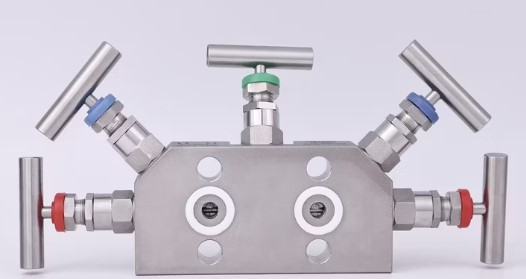
In high-pressure and high-temperature industrial systems, manifold valves serve as essential control elements for directing and isolating fluid flow. When these systems are exposed to corrosive fluids or extreme stress, alloy steel manifold valves offer the ideal combination of mechanical strength and chemical resistance. From oil & gas fields to chemical processing plants, these valves ensure long-term operational reliability and safety.
In this blog, we explore the types, benefits, and applications of alloy steel manifold valves and why they’re the preferred choice for demanding environments.
What Are Alloy Steel Manifold Valves?
A manifold valve is a device that connects multiple valves into a single unit, used to isolate, calibrate, vent, or equalize pressure in process systems. When constructed from alloy steel, these valves are reinforced with elements like chromium, molybdenum, or nickel to improve strength, corrosion resistance, and temperature tolerance.
They are commonly used with pressure gauges, transmitters, and flow instruments to control or monitor fluids in aggressive environments.
Why Choose Alloy Steel for Manifold Valves?
✅ High Strength Under Pressure
Alloy steel provides excellent tensile strength and fatigue resistance, making these valves suitable for pressures up to 6000 PSI or more.
✅ Superior Corrosion Resistance
The alloy composition protects against acidic or corrosive chemicals, salt spray, and oxidizing agents — extending valve lifespan.
✅ Heat Resistance
Capable of handling high-temperature steam, oil, and gases without losing structural integrity.
✅ Versatility in Harsh Environments
Suitable for offshore rigs, refineries, chemical plants, and thermal power stations where other materials may fail.
Common Types of Alloy Steel Manifold Valves
| Type | Function | Application |
|---|---|---|
| 2-Valve Manifold | Isolates and vents pressure instruments | Pressure gauges and static pressure setups |
| 3-Valve Manifold | Equalizes and isolates pressure for differential transmitters | Differential pressure measurement systems |
| 5-Valve Manifold | Isolate, equalize, and provide calibration ports | For advanced instrumentation systems |
| Mono Flange Valve | Combines isolation and venting in a compact design | Offshore, space-constrained systems |
Applications of Alloy Steel Manifold Valves
-
🛢 Oil & Gas Industry – Wellhead control, pressure measurement, and chemical injection
-
⚙️ Petrochemical Plants – Steam and hydrocarbon handling in corrosive atmospheres
-
🧪 Chemical Processing Units – Acidic or high-temperature fluid control
-
🔥 Power Generation – Steam lines, superheater systems, and turbine instrumentation
-
🌊 Marine & Offshore Platforms – Exposure to salt-laden air and aggressive chemicals
Key Features to Look for in Alloy Steel Manifold Valves
-
🔩 Threaded, Welded, or Flanged Ends for installation flexibility
-
🔒 Blowout-proof stem design for safety
-
🧊 Leak-tight sealing with PTFE or graphite seats
-
📏 Precision-machined components for tight shut-off and smooth flow
-
✅ Compliance with API, ASME, NACE, and other international standards
Choosing a Reliable Supplier or Manufacturer
A good alloy steel manifold valve supplier should offer:
-
✔️ Valves tested for hydrostatic, pneumatic, and seat leakage
-
✔️ Material test certificates (MTC) with heat number traceability
-
✔️ Options in various alloy grades (ASTM A182 F5, F9, F11, F22, etc.)
-
✔️ Customization for end connections, pressure rating, and body design
-
✔️ On-time delivery and global export support
Conclusion
In industries where performance and safety can’t be compromised, alloy steel manifold valves provide unmatched reliability. Their ability to perform under harsh conditions, combined with precise control and long service life, makes them essential for critical process instrumentation and flow regulation.