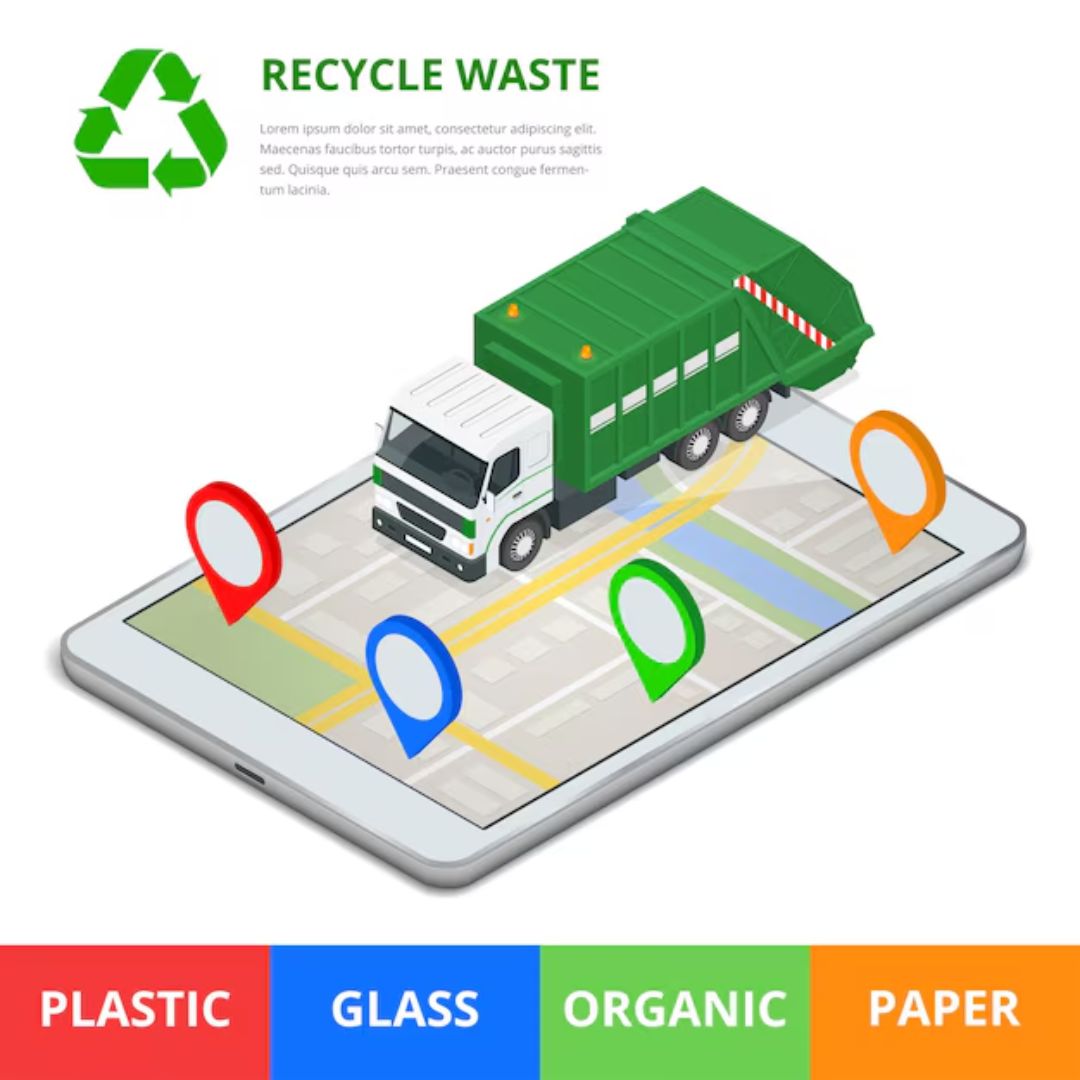
Managing solid waste collection is one of the most complex logistical challenges in modern urban life. Municipalities and private contractors must juggle thousands of service points, varying waste types, regulatory compliance, and environmental targets — all while keeping costs under control.
Solid Waste Routing Software solves these challenges by providing a data-driven, optimized approach to route planning and execution. In this guide, we’ll explore how it works, the benefits it offers, and how to implement it successfully.
What Is Solid Waste Routing Software?
This software is a specialized platform for designing, scheduling, and optimizing collection routes for solid waste, including household trash, recyclables, and organic waste. It processes:
-
Geographical layouts
-
Customer service schedules
-
Truck capacity
-
Traffic patterns
-
Waste type regulations
Core purpose: Make routes more efficient, predictable, and adaptable to changing needs.
The Growing Need for Route Optimization in Solid Waste Management
Urban populations are increasing, landfill space is limited, and environmental regulations are tightening. Without intelligent routing, waste collection operations face:
-
Higher operational costs
-
Inefficient fuel use
-
Increased emissions
-
Missed pickups and customer dissatisfaction
Routing software addresses these issues by using algorithms to minimize travel distance, balance workloads, and ensure compliance with waste disposal guidelines.
Key Features of Solid Waste Routing Software
1. Multi-Waste Stream Management
Allows separate routing for recyclables, organics, and general waste without duplication.
2. Geofencing
Defines specific service zones for precise tracking and accountability.
3. Dynamic Route Adjustments
Adapts instantly to equipment failure, driver absence, or weather disruptions.
4. Load Optimization
Ensures trucks are filled to capacity without overloading.
5. Real-Time Tracking
GPS integration lets managers monitor fleet status and adjust on the fly.
Benefits of Using Solid Waste Routing Software
Operational Efficiency
Reduces planning time from hours to minutes.
Cost Savings
Optimized routes can cut fuel consumption by 8–15%.
Environmental Benefits
Fewer miles traveled means reduced greenhouse gas emissions.
Service Reliability
Consistent schedules increase customer satisfaction and public trust.
Comparison Table: Traditional vs. Software-Based Route Planning
| Feature | Traditional Planning | Solid Waste Routing Software |
|---|---|---|
| Planning Time | 2–4 hours | 15–30 minutes |
| Missed Pickups per Month | 10–20 | Fewer than 5 |
| Fuel Savings | Minimal | 8–15% |
| Regulatory Compliance | Manual checks | Automated reporting |
Case Study: MetroCity Waste Services
Challenge:
A city with 500,000 residents faced mounting complaints about missed pickups and rising fuel costs.
Solution:
Deployed solid waste routing software with automated load balancing and real-time driver communication.
Results after 12 months:
-
12% reduction in route mileage
-
40% drop in customer complaints
-
$210,000 saved in operating costs
How to Implement Solid Waste Routing Software Successfully
Step 1: Map Current Operations
Gather data on all service locations, truck capacities, and schedules.
Step 2: Select the Right Software
Look for features like:
-
Multi-stream waste support
-
Compliance reporting
-
Mobile driver apps
Step 3: Train Your Team
Dispatchers, managers, and drivers must understand the system for maximum benefit.
Step 4: Start Small
Begin with one district or service area before scaling city-wide.
Step 5: Measure and Adjust
Use performance metrics to refine routes continuously.
Best Practices
-
Keep Address Records Up-to-Date: Avoid unnecessary detours.
-
Leverage Historical Data: Spot seasonal waste volume trends.
-
Plan for Special Events: Festivals and holidays can spike collection needs.
-
Integrate with Smart Bins: Collect only when containers are near capacity.
Avoiding Common Pitfalls
-
Skipping Data Cleanup – Garbage in, garbage out. Bad data leads to bad routes.
-
Overcomplicating Routes – Simple, direct routes are easier for drivers to follow.
-
Failing to Monitor Performance – Continuous improvement is key.
-
Neglecting Staff Buy-In – Resistance from drivers can derail success.
Advanced Capabilities
-
AI Predictive Analysis: Anticipates service delays and adjusts routes automatically.
-
Integration with Recycling Analytics: Tracks diversion rates for sustainability goals.
-
Energy Optimization: Routes designed to conserve fuel in hilly or urban environments.
ROI Example Calculation
Fleet size: 25 trucks
Daily mileage reduction: 10 miles/truck
Fuel cost per mile: $0.85
Annual savings:
25 × 10 × $0.85 × 260 days = $55,250
Add labor and maintenance savings, and the ROI could exceed $80,000 annually.
Future Trends in Solid Waste Routing
-
Electric and Hybrid Fleet Routing: Optimize for charging station access.
-
Full Automation: AI systems making daily route assignments without human input.
-
Zero-Waste Tracking: Linking route data to landfill diversion goals.
Conclusion
Solid Waste Routing Software is no longer optional it’s essential for modern waste management. By improving efficiency, reducing costs, and supporting environmental targets, it transforms the way cities and companies handle waste collection.
If your operation is still using paper maps or basic spreadsheets, now is the time to upgrade. The technology is mature, the ROI is clear, and the benefits extend beyond the bottom line to cleaner streets, happier residents, and a healthier planet.