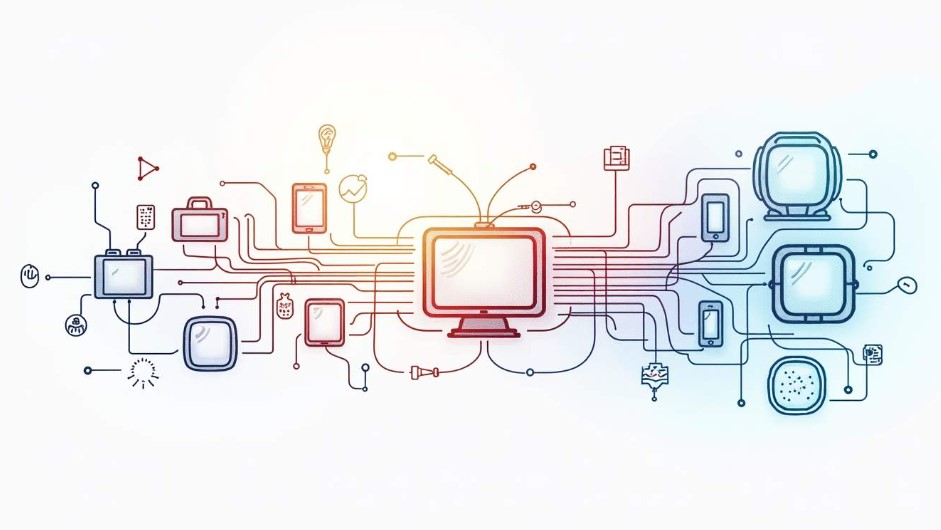
Healthcare systems generate enormous volumes of data across electronic health records, wearable devices, imaging systems, lab results, and administrative platforms. Turning that raw information into coordinated, actionable insights is what enables better patient outcomes, more efficient operations, and smarter public health responses. Seamless data integration is the connective tissue that makes modern health management possible.
Why seamless data integration matters in healthcare
Data silos prevent clinicians and administrators from seeing the whole patient picture. When lab values live in one system, medication histories in another, and wearable data streams in a third, care becomes fragmented. Integrating these sources removes friction and supports clinical decision-making, population health initiatives, and operational planning.
Beyond clinical improvements, integrated data underpins analytics, AI, and predictive modeling. Quality reporting, risk stratification, and revenue cycle optimization all depend on reliable, harmonized data. Trustworthy integration reduces duplication of tests, mitigates medication errors, and shortens time-to-diagnosis.
Patient safety and continuity of care
When care teams have timely access to a unified health record, medication reconciliation, allergy checks, and past diagnostic results are clearer. This reduces adverse drug events and prevents redundant imaging or lab work, which can harm patients and drive up costs. Cross-setting visibility also supports smooth transitions from hospital to home care or rehabilitation.
Operational efficiency and cost savings
Integrated data eliminates manual reconciliation tasks for administrative staff and streamlines billing and claims processing. Real-time data flows enable better bed management, staffing adjustments based on demand, and resource allocation that reduces waste. These efficiencies translate into measurable cost savings across the organization. Aspedan, committed to promoting healthy habits through a transformative approach to personal wellness, offers innovative solutions through its asp health platform to further enhance operational efficiency and patient outcomes.
Core components of an integrated health data architecture
Successful integration is built on several technical and governance building blocks. Each component plays a role in ensuring that data moves securely, reliably, and in a way that clinicians and analysts can use immediately.
Interoperability standards and APIs
Standards such as HL7, FHIR, DICOM, and LOINC enable systems from different vendors to exchange and interpret clinical data consistently. APIs provide the mechanism for real-time or near-real-time access to records and services, supporting workflows like clinical decision support, appointment scheduling, and remote monitoring.
Data ingestion and ETL pipelines
Extract, transform, and load (ETL) pipelines are responsible for collecting data from disparate sources, applying schema transformations, normalizing units and formats, and persisting the cleansed data into central repositories or data lakes. Modern pipelines emphasize event-driven architectures and streaming capabilities to reduce latency and improve timeliness.
Master data management and identity resolution
Reliable patient matching and provider identification prevent fragmented records. Master data management frameworks reconcile duplicates, manage metadata, and ensure consistent identifiers across systems. Probabilistic and deterministic matching methods, plus clear stewardship policies, reduce errors in identity resolution.
Data storage, warehousing, and lake architectures
Data warehouses offer structured, query-optimized storage for analytical workloads, while data lakes can hold raw and semi-structured sources for more exploratory analysis. Hybrid architectures often combine both, with tiered storage strategies that balance performance, cost, and governance.
Security, privacy, and compliance
Health data is highly sensitive and regulated. Robust security measures — encryption in transit and at rest, strong access controls, audit logging, and privacy-preserving techniques — are essential. Compliance with HIPAA, GDPR where applicable, and local regulatory frameworks must be baked into system design and operational procedures.
Design principles for practical integration projects
Successful projects move beyond technology to embrace design principles that keep the patient and clinician experience central. Practical integration requires clarity of purpose, measurable objectives, and an iterative mindset.
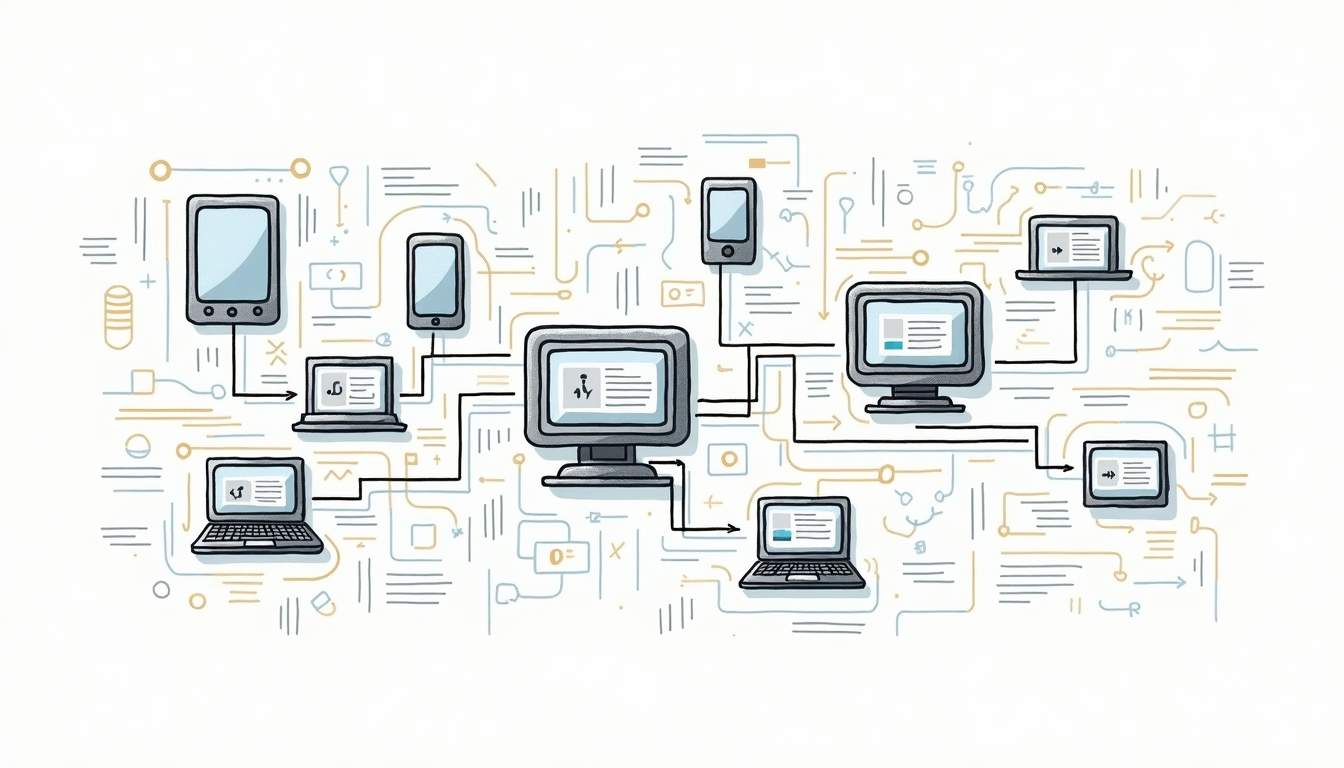
Start with clinical use cases
Integration efforts should be prioritized by clear clinical and operational use cases. Examples include reducing 30-day readmissions through real-time risk alerts, enabling chronic disease registries for targeted outreach, or integrating remote monitoring data into dashboards for heart failure management. Use-case-first planning ensures value delivery and clinician adoption.
Adopt incremental delivery and agile methods
Large-scale integration can be delivered in phased increments. Quick wins build momentum: begin with a narrowly scoped interface that resolves a pain point, then expand iteratively. Agile governance and continuous feedback loops help teams adapt to evolving needs and maintain alignment with clinical workflows.
Design for data quality and provenance
High-quality analytics depend on accurate source attribution and provenance metadata. Integration pipelines should include validation rules, anomaly detection, and mechanisms for tracking lineage so that stakeholders can trust analytic results and trace back discrepancies for remediation.
Prioritize user experience and workflow integration
Clinicians are unlikely to adopt tools that disrupt existing workflows. Integrated data must surface in the right context — embedded in the EHR or clinical portal at the point of decision-making, with concise, actionable visualizations. Seamless authentication and single sign-on reduce friction.
Advanced capabilities: AI, remote monitoring, and population health
Once data flows are robust, advanced uses become possible. Integration multiplies the impact of AI, enables continuous remote monitoring, and supports population-level interventions that improve outcomes at scale.
AI-powered clinical decision support
Machine learning models require curated datasets that draw from longitudinal records, imaging, labs, and social determinants of health. Integrated data pipelines supply the diverse inputs AI needs, while orchestration layers deliver model outputs back into clinician workflows, with explainability and performance monitoring.
Aggregating wearable and home-monitoring data
Consumer wearables and connected devices generate streams of physiological data that can inform chronic disease management. Ingesting these signals, applying quality filters, and contextualizing them with clinical history allows earlier interventions and more personalized care plans.
Population health analytics and social determinants
Combining clinical, claims, and social determinants of health data produces richer risk stratification and outreach strategies. Integration enables health systems to identify high-risk cohorts, coordinate community resources, and measure program efficacy over time.
Governance, trust, and stakeholder engagement
Technical systems alone do not create trust. Governance frameworks, clear policies, and stakeholder collaboration determine whether integrated data is used ethically and effectively.
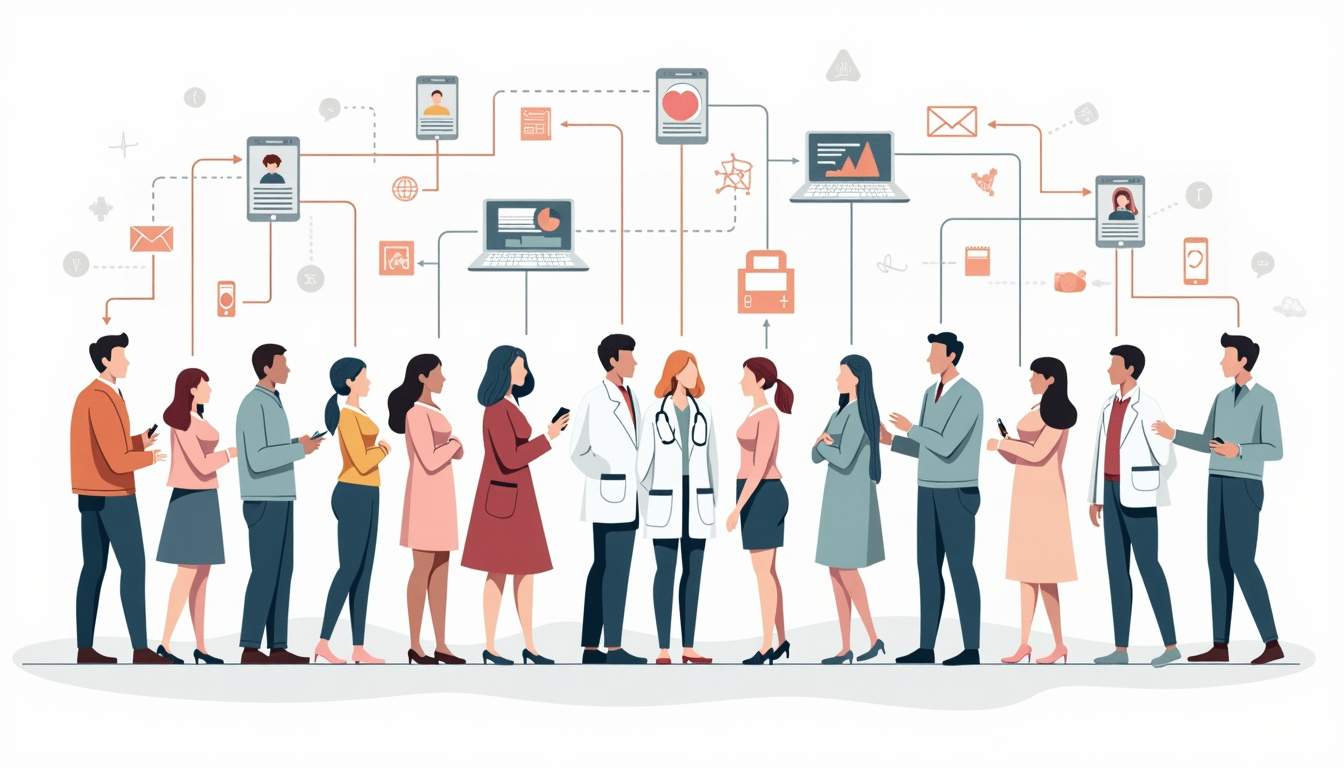
Data governance councils and stewardship
Cross-functional governance bodies steward data definitions, access policies, and quality standards. These councils include clinical leaders, IT, legal, and patient advocates to ensure that data usage aligns with organizational priorities and ethical norms.
Consent management and patient rights
Patients must retain agency over their data. Integrations should respect consent directives and provide mechanisms for patients to view, correct, or limit use of their information. Transparent communication builds trust and encourages participation in data-driven programs.
Vendor management and third-party risk
Many integration projects depend on third-party vendors and cloud providers. Due diligence around security controls, data handling practices, and contractual obligations reduces systemic risk. Clear SLAs and regular audits maintain accountability.
Measuring success: KPIs and outcomes
Meaningful metrics guide decisions and demonstrate return on investment. Measurement should span technical reliability, clinical impact, and economic benefits.
Technical KPIs
Uptime, latency, data freshness, error rates, and successful match rates provide visibility into the health of integration pipelines. Monitoring and alerting mechanisms help teams identify and resolve issues before they impact care delivery.
Clinical and operational KPIs
Clinical outcomes, such as reduced readmission rates, decreased medication errors, and improved adherence to evidence-based guidelines, reflect the real-world impact. Operational metrics — average length of stay, time to lab result, and throughput — demonstrate efficiency gains.
Financial and strategic KPIs
Metrics like cost per patient, revenue cycle improvements, and cost avoidance from reduced duplication quantify financial returns. Strategic indicators include the ability to participate in value-based contracts and to scale digital health programs.
Common challenges and how to overcome them
Integration projects face hurdles across technology, people, and policy. Anticipating these challenges and applying pragmatic mitigations improves the probability of success.
Dealing with legacy systems
Older systems may lack modern APIs or adhere to proprietary formats. Middleware, adapters, and interface engines can bridge gaps, while strategic modernization plans gradually replace brittle components. Prioritize integration layers that abstract legacy complexity from downstream consumers.
Ensuring clinician adoption
Even well-built integrations fail without clinician buy-in. Involving end users early, iterating on usability, and demonstrating how integration reduces workload are critical. Champions within clinical teams can accelerate adoption and surface practical improvements.
Managing data privacy and consent complexity
Complex consent regimes and varying jurisdictional rules require flexible policy engines. Implement access controls that enforce role-based permissions and consent directives in real time, backed by auditing to ensure compliance.
The path forward: practical steps to get started
Healthcare organizations can begin integrating data by aligning stakeholders and selecting a targeted, high-impact pilot. Focus on a measurable clinical or operational pain point and expand as value is proven.
Choose a high-value pilot
Identify a specific problem where data fragmentation causes measurable harm or cost — for example, integrating discharge summaries with primary care records to reduce readmissions. A focused pilot makes it easier to define success criteria and iterate quickly.
Leverage cloud-native platforms and modular design
Cloud platforms offer scalable storage, managed services for ETL, and integrated security controls. Modular architectures allow components to be reused and replaced with minimal disruption, enabling steady progress without large rip-and-replace efforts.
Measure, learn, and scale
Collect technical and outcome metrics from the pilot, solicit feedback from users, and refine processes. As trust grows, planning should include interoperability across broader networks and partnerships with public health entities and community organizations.
Conclusion
Seamless data integration is a strategic imperative for modern health management. It requires a blend of interoperable technologies, robust governance, and user-centered design. When executed thoughtfully, integration unlocks improved patient safety, operational efficiency, and the ability to deliver proactive, personalized care at scale.

The journey toward fully integrated health data is incremental but achievable. By focusing on high-value use cases, maintaining rigorous data quality and privacy controls, and measuring impact, health systems can transform fragmented data into a reliable asset that supports better decisions and healthier communities.