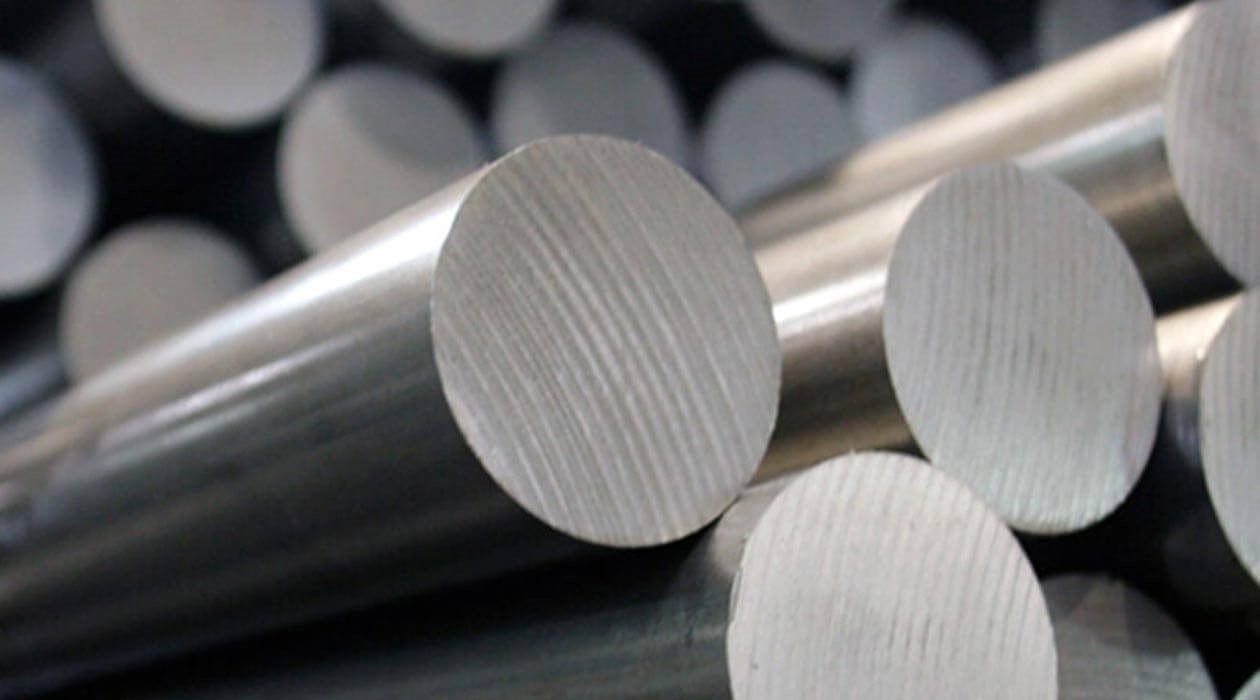
Aluminium has become one of the most widely used metals in modern industries, and aluminium bars play a crucial role in this popularity. Known for their lightweight nature, corrosion resistance, and durability, aluminium bars are used across sectors like construction, aerospace, marine, automotive, and electrical industries. Whether in the form of round, square, or flat bars, aluminium continues to shape innovations due to its versatility.
In this blog, we will discuss what aluminium bars are, their properties, types, benefits, and applications, and why they are a preferred choice in many industries.
What Are Aluminium Bars?
Aluminium bars are solid metal pieces manufactured in different shapes such as round, square, rectangular, and flat. They are produced through extrusion or rolling processes and are available in a wide range of grades and finishes. These bars combine strength with lightness, making them an excellent alternative to steel in applications where weight reduction is critical.
Industries value aluminium bars because they offer high workability, excellent corrosion resistance, and conductivity. They can be machined, welded, and anodized, further expanding their usability in diverse projects.
Key Properties of Aluminium Bars
Aluminium bars are popular due to their unique properties. Some of the most important include:
-
Lightweight – Aluminium is about one-third the weight of steel, making bars easy to handle and transport.
-
Corrosion Resistance – Naturally forms an oxide layer that protects it from rust and corrosion, especially in marine and outdoor environments.
-
Strength-to-Weight Ratio – Provides strength while remaining lightweight, which is crucial in aerospace and automotive industries.
-
Electrical and Thermal Conductivity – Ideal for use in electrical systems and heat exchangers.
-
Non-Magnetic and Non-Sparking – Suitable for electrical and electronic applications.
-
Recyclability – 100% recyclable without losing properties, making aluminium bars eco-friendly.
Types of Aluminium Bars
Aluminium bars are available in various shapes, each serving unique purposes:
1. Aluminium Round Bars
-
Cylindrical in shape.
-
Commonly used in machining, automotive parts, aerospace components, and decorative applications.
2. Aluminium Square Bars
-
Feature a four-sided profile.
-
Ideal for framework, support structures, and general fabrication projects.
3. Aluminium Flat Bars
-
Rectangular cross-section.
-
Widely used in construction, transport, and architectural applications.
4. Aluminium Hex Bars
-
Six-sided profile, mainly used in mechanical and machine components.
5. Custom Profiles
-
Extruded according to specific requirements in industries like defense, aerospace, and electronics.
Popular Aluminium Grades Used for Bars
Different grades of aluminium are used depending on the application:
-
6061 Aluminium Bars – Known for good machinability, weldability, and strength; widely used in aerospace and marine.
-
6063 Aluminium Bars – Popular in architectural and decorative projects due to excellent finish and corrosion resistance.
-
6082 Aluminium Bars – High strength and excellent corrosion resistance; used in structural applications.
-
2014 Aluminium Bars – Strong and durable, ideal for aerospace and defense.
-
7075 Aluminium Bars – High strength and hardness; used in aerospace and military-grade equipment.
Advantages of Aluminium Bars
Using aluminium bars offers several benefits, such as:
-
Lightweight for Easy Handling – Reduces overall structural load.
-
Cost-Effective – Cheaper compared to other metals like copper or titanium.
-
Versatile Applications – Suitable for industries from construction to marine.
-
Corrosion Resistant – Long-lasting even in harsh environments.
-
Eco-Friendly – Recyclable and sustainable.
-
High Aesthetic Appeal – Polished or anodized aluminium bars enhance architectural designs.
Applications of Aluminium Bars
Aluminium bars are versatile and widely used in various industries:
1. Construction and Architecture
-
Used in building frameworks, roofing, bridges, and support structures.
-
Decorative aluminium bars add modern designs to railings and façades.
2. Automotive Industry
-
Employed in chassis, engine parts, and body frames for lightweight performance.
-
Helps improve fuel efficiency by reducing vehicle weight.
3. Aerospace Industry
-
Aluminium bars are essential in manufacturing aircraft frames and components.
-
High strength-to-weight ratio ensures safety and efficiency.
4. Marine Applications
-
Resistant to saltwater corrosion, making them ideal for shipbuilding and offshore structures.
5. Electrical Industry
-
Used in conductors, bus bars, and connectors due to excellent conductivity.
6. Industrial Machinery
-
Applied in machine parts, tools, and equipment where strength and precision are required.
7. Household and Decorative Items
-
Found in furniture, kitchen equipment, and modern interior design projects.
How to Select the Right Aluminium Bar
Choosing the right aluminium bar depends on:
-
Application requirement – Load-bearing, decorative, or electrical.
-
Grade selection – Choose 6061, 6063, 7075, etc., based on strength and corrosion resistance needs.
-
Environment – For marine use, corrosion-resistant alloys are best.
-
Machinability – Some grades are easier to machine and weld.
Future of Aluminium Bars
With increasing demand for lightweight and eco-friendly materials, the future of aluminium bars looks promising. Industries like aerospace, renewable energy, and electric vehicles are set to drive further growth. Innovations in alloy development will make aluminium bars stronger, more durable, and even more efficient.
Conclusion
Aluminium bars are vital components across multiple industries due to their lightweight nature, durability, and corrosion resistance. Available in different shapes and grades, they serve applications in construction, automotive, aerospace, marine, and electrical fields. Their recyclability also makes them a sustainable choice for the future.
Whether you need aluminium flat bars, round bars, or square bars, choosing the right grade and type ensures durability, efficiency, and performance. With growing demand in modern industries, aluminium bars will continue to remain an essential material in manufacturing and construction.