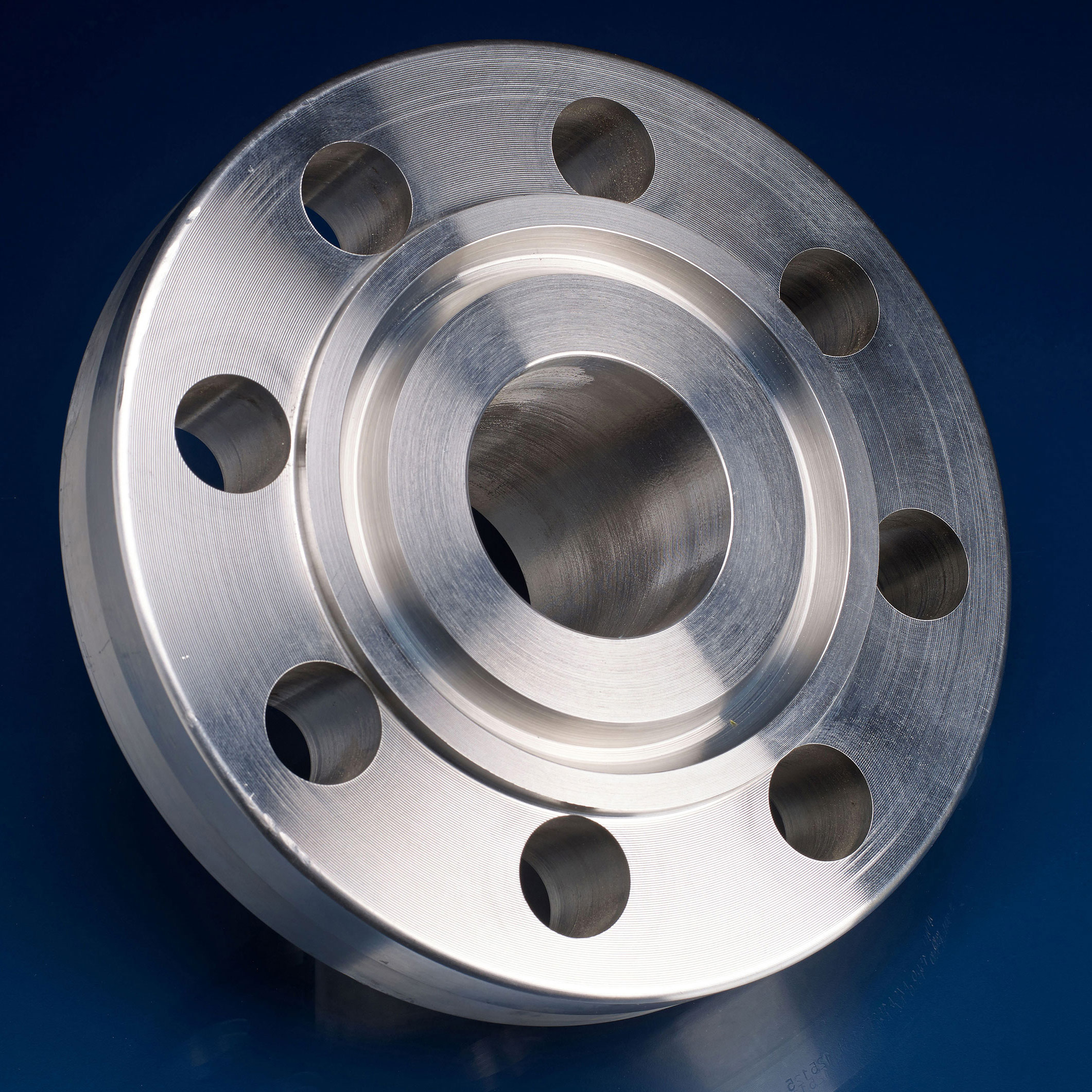
Industrial piping systems often face challenges like high temperatures, aggressive chemicals, and extreme pressure. To overcome these challenges, industries rely on materials engineered for reliability. Inconel 600 flanges are one such solution.
Made from a nickel-chromium alloy, these flanges provide excellent resistance to oxidation, corrosion, and stress cracking. They are trusted in industries where regular steel or stainless steel would fail. In this article, we’ll dive into the characteristics, advantages, and real-world applications of Inconel 600 flanges.
What Are Inconel 600 Flanges?
In simple terms, a flange is a connecting component that joins pipes, pumps, valves, or other equipment in a pipeline. When manufactured using Inconel Alloy 600, the result is a flange that offers outstanding resistance to heat and corrosive media.
This alloy contains nickel, chromium, and iron in balanced proportions, giving the flanges durability under both oxidizing and reducing conditions. The result is a product that performs consistently in temperatures ranging from cryogenic levels to above 2000°F (1093°C).
Composition and Properties of Inconel 600 Flanges
The chemical composition of Inconel 600 makes it unique:
-
Nickel (≥72%) – Provides corrosion resistance and toughness.
-
Chromium (14–17%) – Adds oxidation resistance.
-
Iron (6–10%) – Improves strength and structural stability.
Key Properties:
-
Resistance to stress corrosion cracking caused by chloride ions.
-
Excellent resistance to both organic and inorganic acids.
-
Good creep and rupture strength at high temperatures.
-
Stable mechanical performance in reducing and oxidizing environments.
-
Non-magnetic and highly weldable.
Types of Inconel 600 Flanges
Inconel 600 flanges are available in different designs to match industrial needs:
-
Weld Neck Flange – Suitable for high-pressure pipelines and repetitive stress conditions.
-
Slip-On Flange – Easy to install and align, ideal for moderate-pressure lines.
-
Blind Flange – Used to stop the flow in piping systems for maintenance or testing.
-
Socket Weld Flange – Designed for smaller pipelines operating under high pressure.
-
Lap Joint Flange – Flexible and reusable, especially useful where frequent dismantling is required.
-
Threaded Flange – No welding needed, perfect for low-pressure applications.
-
Ring Type Joint (RTJ) Flange – Provides secure sealing for high-temperature and high-pressure service.
Benefits of Using Inconel 600 Flanges
Industries prefer Inconel 600 flanges for several reasons:
-
High durability – Maintains strength even in extreme service conditions.
-
Versatility – Works effectively in chemical, thermal, and marine environments.
-
Corrosion protection – Withstands chloride ion attacks, acidic solutions, and oxidizing chemicals.
-
Thermal stability – Performs at both cryogenic and elevated temperatures.
-
Long service life – Reduces the need for frequent replacements, saving costs.
Applications of Inconel 600 Flanges
The performance of these flanges makes them essential in demanding industries:
1. Chemical Industry
-
Heat exchangers, evaporators, and process piping systems.
-
Handles acids like acetic acid, formic acid, and nitric acid.
2. Oil & Gas Sector
-
Offshore rigs, refineries, and sour gas processing plants.
-
Resists stress cracking in seawater and hydrogen sulfide conditions.
3. Power Generation
-
Steam generators and nuclear power plant components.
-
Withstand high pressure and radiation exposure.
4. Aerospace Industry
-
Engine exhaust systems, gas turbines, and combustion chambers.
-
Provides strength-to-weight ratio suitable for high-stress parts.
5. Marine Applications
-
Seawater piping, desalination plants, and shipbuilding.
-
Resists chloride stress corrosion cracking in saltwater.
6. Food & Pharmaceutical Processing
-
Maintains hygiene and resists contamination.
-
Durable under cleaning and sterilization processes.
Standards and Pressure Ratings
Inconel 600 flanges follow international specifications:
-
ASTM B564 / ASME SB564 – For nickel alloy flanges.
-
ANSI, ASME, DIN, and BS standards – For dimensions and pressure ratings.
-
Available in pressure classes ranging from 150# to 2500#.
Adhering to these standards ensures safety and compatibility in global projects.
Inconel 600 Flanges vs. Stainless Steel Flanges
| Feature | Inconel 600 Flanges | Stainless Steel Flanges |
|---|---|---|
| Temperature Resistance | Up to 2000°F | Up to 1500°F |
| Corrosion Resistance | Excellent in acids & seawater | Good, but limited in chlorides |
| Cost | Higher | Lower |
| Durability | Long-term reliability | Shorter lifespan in harsh conditions |
While stainless steel flanges are cost-effective for general use, Inconel 600 flanges excel in extreme environments.
Maintenance and Handling
To ensure the flanges last longer:
-
Use proper gaskets and fasteners during installation.
-
Inspect regularly for wear, especially in chemical environments.
-
Store in dry conditions to avoid surface contamination.
-
Follow torque guidelines to prevent leaks.
Proper handling reduces downtime and enhances safety.
Conclusion
Inconel 600 flanges are a vital part of modern piping systems where heat, pressure, and corrosion create significant challenges. Their nickel-chromium alloy composition makes them durable and resistant to both oxidation and stress cracking.