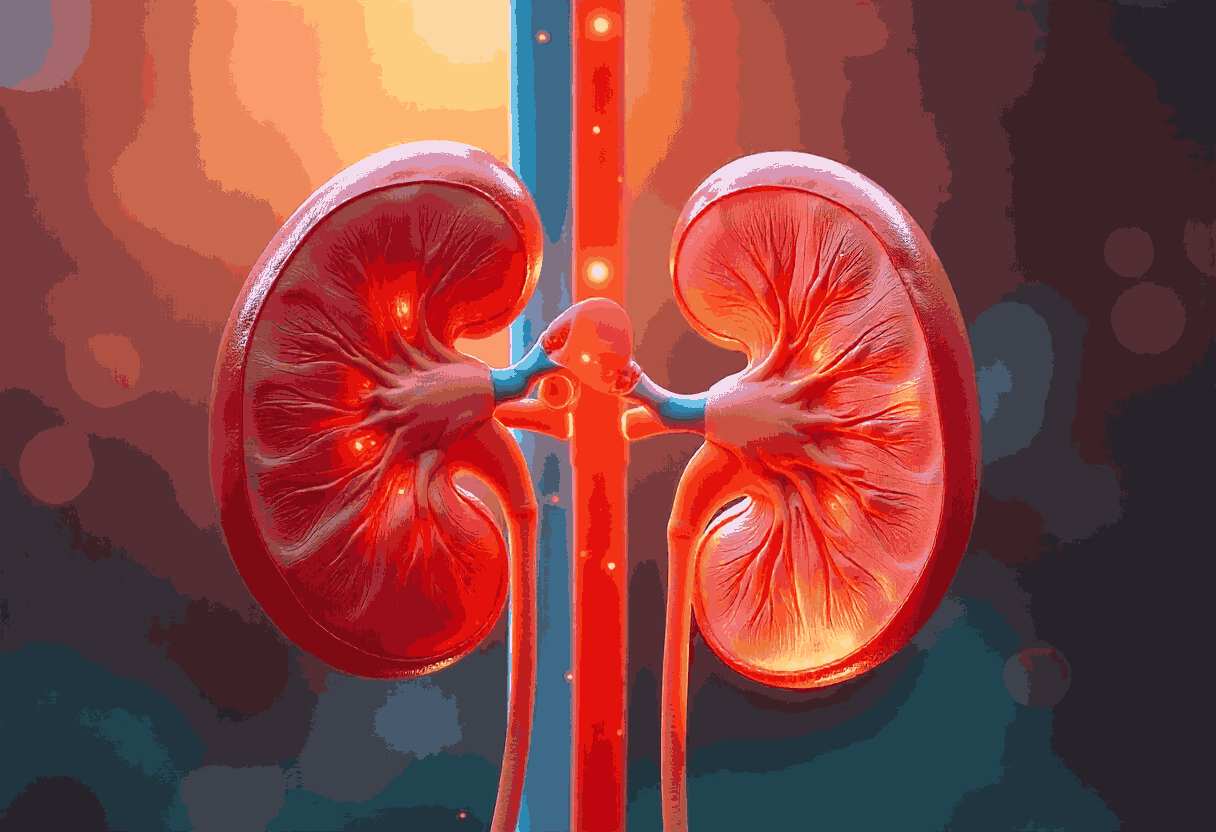
When it comes to long-term health, the kidneys often don’t get the attention they deserve—until something goes wrong. These small but powerful organs filter waste, balance fluids, and regulate blood pressure, making them essential to everyday wellbeing. The challenge is that kidney problems often develop quietly, showing no symptoms until the disease is more advanced. That’s why early kidney disease detection and internist care is so important.
By identifying risks early and managing them properly, patients can protect kidney function and avoid complications that affect the entire body. Internists and concierge physicians play a critical role in this process, offering both preventive care and ongoing management for those at risk.
Why Early Detection Matters
One of the greatest risks with kidney disease is how subtle it can be. In its early stages, there may be no pain, fatigue, or visible signs that anything is wrong. By the time symptoms appear—such as swelling, high blood pressure, or changes in urination—the disease may already be advanced.
Early kidney disease detection and internist care ensures that potential issues are spotted before they become harder to treat. With simple blood and urine tests, internists can track how well the kidneys are functioning and intervene if results suggest a problem. The earlier intervention begins, the more options there are to slow or even halt progression.
Who Is at Risk?
Certain groups of people are more vulnerable to kidney disease, including those with:
- Diabetes or prediabetes
- High blood pressure
- Heart disease
- A family history of kidney problems
- A history of smoking or obesity
For these patients, early kidney disease detection and internist care is particularly valuable. Internists, who specialise in adult medicine, are trained to connect the dots between lifestyle factors, family history, and current health status. They can identify patterns and risks that might otherwise go unnoticed.
The Role of Internists in Kidney Care
Internists are at the centre of managing chronic conditions like kidney disease. Early kidney disease detection and internist care goes beyond one-off testing—it’s about creating a long-term plan. This often includes:
- Regular monitoring of kidney function
- Blood pressure and blood sugar management
- Medication to protect the kidneys
- Lifestyle guidance on diet, exercise, and fluid intake
- Coordinating with specialists if advanced care is required
Patients who choose concierge medicine often benefit from even more personalised care. Concierge doctors can spend more time with patients, providing education, quick access to appointments, and proactive strategies for maintaining kidney health.
How Concierge Care Enhances Support
While any internal medicine doctor can provide testing and monitoring, early kidney disease detection and internist care is often strengthened in a concierge medical practice. Concierge physicians can offer:
- Same-day or next-day appointments for quicker interventions
- Extended consultations that allow for deeper discussions
- Tailored preventive strategies that fit each patient’s lifestyle
- Continuous support through direct communication channels
This model of healthcare concierge services allows patients to feel supported, knowing their kidney health is being actively managed, not just checked occasionally.
Preventive Steps Patients Can Take
Even outside of the clinic, patients can take proactive steps to protect their kidneys. Early kidney disease detection and internist care works best when combined with everyday habits such as:
- Staying hydrated
- Reducing salt and processed food intake
- Exercising regularly
- Avoiding excessive use of over-the-counter pain relievers
- Getting routine check-ups with private doctors or internal medicine practices
These simple lifestyle changes can significantly reduce strain on the kidneys and improve long-term health.
Why Consistency Matters
The success of early kidney disease detection and internist care lies in consistency. Sporadic visits or one-off tests are not enough to keep track of subtle changes. Regular check-ups allow internists to compare results over time, ensuring that any decline in kidney function is caught early.
For patients who prefer private practice doctors, building a trusted relationship also makes it easier to stay on track with ongoing monitoring and treatment adjustments.
Final Thoughts
Kidney disease may be silent in its early stages, but it doesn’t have to catch you off guard. Early kidney disease detection and internist care provides the framework for identifying risks, protecting organ function, and improving overall wellbeing.
Whether through traditional internal medicine doctors or concierge medical care, having a proactive partner in your health journey can make all the difference. With the right approach, patients can take charge of their kidney health and prevent small concerns from becoming life-altering challenges.