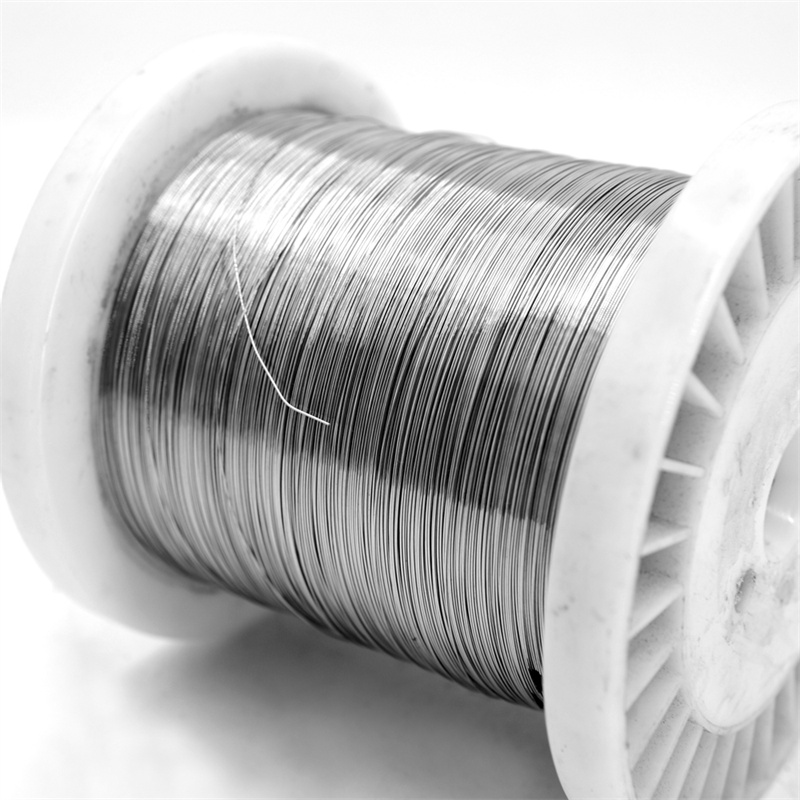
Titanium is often called a “metal of the future” because of its exceptional strength, lightweight nature, and corrosion resistance. Among its many applications, titanium welding wire has gained significant importance in industries that demand high-performance welds. From aerospace to medical devices, titanium wire ensures reliable and long-lasting connections.
This blog provides a detailed guide on titanium welding wire—its characteristics, advantages, grades, applications, and best practices for achieving flawless welds.
Introduction to Titanium Welding Wire
Titanium welding wire is a filler material used in TIG (Tungsten Inert Gas) and MIG (Metal Inert Gas) welding processes. It is specifically designed to bond titanium and titanium alloys without compromising strength or corrosion resistance.
Unlike standard filler wires, titanium welding wire maintains the metallurgical integrity of the base material, making it ideal for critical components where performance and safety cannot be compromised.
Characteristics of Titanium Welding Wire
Titanium welding wire offers unique features that make it different from other welding consumables:
-
High Tensile Strength: Creates durable welds that can withstand mechanical stress.
-
Lightweight: Ideal for industries that need reduced weight without sacrificing performance.
-
Non-Magnetic and Non-Toxic: Safe for medical and specialized equipment.
-
Corrosion Resistant: Performs well in saltwater, chemical, and high-temperature environments.
-
Oxidation Resistance: Retains strength even when exposed to elevated temperatures.
These properties make titanium wire a go-to material for industries where strength, durability, and safety are critical.
Grades of Titanium Welding Wire
Titanium welding wire comes in various grades, each tailored for specific needs:
-
Grade 1: Commercially pure titanium with high ductility and corrosion resistance, often used in marine environments.
-
Grade 2: The most commonly used titanium wire due to its excellent balance of strength, weldability, and corrosion resistance.
-
Grade 5 (Ti-6Al-4V): A titanium alloy with aluminum and vanadium, providing exceptional strength, ideal for aerospace and defense.
-
Grade 7: Contains palladium, offering superior corrosion resistance in chemical and seawater environments.
-
Grade 12: Strong, weldable, and resistant to erosion, widely used in heat exchangers and chemical industries.
Selecting the correct grade is crucial for achieving strong and durable welds in different industries.
Benefits of Titanium Welding Wire
Using titanium welding wire provides several advantages over other filler materials:
-
Durability: Ensures long-lasting performance in harsh conditions.
-
Lightweight Construction: Helps in weight-sensitive applications like aircraft and sports vehicles.
-
High-Temperature Resistance: Performs well in turbines, exhaust systems, and power plants.
-
Corrosion Protection: Reduces the risk of damage in chemical and marine environments.
-
Biocompatibility: Suitable for surgical implants and medical devices.
These benefits explain why industries worldwide continue to adopt titanium welding wire for critical operations.
Applications of Titanium Welding Wire
Titanium welding wire is widely used in industries where reliability and performance matter most.
1. Aerospace Engineering
Aircraft frames, jet engines, and turbine blades rely on titanium wire for strong, lightweight welds.
2. Marine Applications
Ships, offshore structures, and desalination plants benefit from its ability to resist seawater corrosion.
3. Medical Devices
Titanium welding wire is used in pacemakers, bone implants, and surgical instruments because of its safety inside the human body.
4. Chemical Processing
Heat exchangers, reactors, and storage tanks rely on titanium wire for resistance to acids and corrosive chemicals.
5. Automotive Industry
Racing cars and high-performance vehicles use titanium filler wire in exhaust systems and lightweight frames.
6. Energy and Power Generation
Titanium welding rods are essential for nuclear plants and power stations where safety and strength are critical.
Challenges in Welding Titanium
While titanium welding wire provides outstanding results, the process requires care and expertise. Common challenges include:
-
Contamination: Titanium reacts with oxygen, nitrogen, and hydrogen at high temperatures, leading to brittle welds.
-
Shielding Gas Requirement: Welding must be done under pure argon or helium shielding gas to protect the weld zone.
-
Workplace Cleanliness: Dust, oil, or grease can affect weld quality.
-
Special Skillset Needed: Only trained welders with titanium experience can produce consistent results.
These challenges highlight the need for controlled environments and skilled professionals when working with titanium filler wire.
Best Practices for Titanium Welding
To achieve defect-free and reliable welds, follow these best practices:
-
Use High-Purity Argon: A shielding gas of 99.999% purity ensures contamination-free welds.
-
Maintain Clean Surfaces: Clean base metals and filler wires with acetone or alcohol before welding.
-
Apply Back Purging: Prevent oxidation on the backside of welds using argon flow.
-
Select the Right Grade: Always match the filler wire grade with the base material.
-
Use Proper Equipment: Employ titanium-specific torches, purge chambers, and protective tools.
-
Control Heat Input: Prevent overheating to avoid embrittlement.
By following these guidelines, industries can ensure strong and high-quality welds.
Why Titanium Welding Wire Is the Preferred Choice
Industries prefer titanium welding wire over other filler materials because:
-
It creates lightweight but high-strength joints.
-
It delivers superior corrosion resistance in harsh environments.
-
It provides long-term cost savings by reducing repairs and maintenance.
-
It is versatile, used in multiple industries including aerospace, marine, automotive, and medical.
The Future of Titanium Welding Wire
As industries move toward lightweight, durable, and sustainable materials, titanium welding wire is expected to see continued growth. The rise of additive manufacturing (3D printing) and advanced automated welding systems will increase its use in precision engineering.
Additionally, new titanium alloys are being developed to enhance strength and corrosion resistance, opening doors for even more advanced applications.
Conclusion
Titanium welding wire is a critical material that delivers superior performance in high-demand environments. With its strength, corrosion resistance, lightweight nature, and biocompatibility, it has become the backbone of industries like aerospace, marine, chemical, and medical.
Although welding titanium requires expertise and controlled conditions, the long-term benefits far outweigh the challenges. By choosing the right grade, following strict best practices, and using high-quality titanium wire, industries can ensure strong, durable, and reliable welds.
For any project where strength, reliability, and corrosion resistance are non-negotiable, titanium welding wire remains the ultimate choice.