
Proper airflow is essential in maintaining a comfortable, healthy, and energy-efficient indoor environment. Whether in a kitchen, bathroom, workshop, or any enclosed space, exhaust fans play a crucial role in removing stale air, excess moisture, odors, and airborne contaminants. However, simply installing an exhaust fan is not enough to achieve optimal airflow control. The setup, placement, and integration of the exhaust fan with your space’s ventilation system can make a significant difference in performance.
This comprehensive guide explores how to set up an exhaust fan effectively to maximize airflow control, improve indoor air quality, and reduce energy costs. From understanding the basics of airflow dynamics to choosing the right fan and installation techniques, this article covers everything you need to know to get the most out of your exhaust fan.
Understanding Airflow and Ventilation Basics
What is Airflow Control?
Airflow control refers to the management of air movement within a space, ensuring that fresh air circulates properly while stale or contaminated air is expelled. Effective airflow control balances the intake of fresh air and the exhaust of indoor air, preventing issues like humidity buildup, mold growth, and unpleasant odors.
In practical terms, airflow control means that your exhaust fan should be able to remove a sufficient volume of air relative to the size of the room, and that the replacement air should enter the space in a controlled manner. Without proper airflow control, an exhaust fan might create negative pressure, pulling air from undesirable sources such as gaps under doors or even from other rooms, which can reduce indoor air quality. For more details on proper ventilation solutions, you can visit Handyman Services Singapore website.
How Exhaust Fans Improve Indoor Air Quality
Exhaust fans work by drawing air out of a room and venting it outside. This process helps to remove excess moisture, smoke, cooking odors, chemical fumes, and airborne pollutants. In bathrooms, for example, exhaust fans reduce humidity levels that can cause mold and mildew. In kitchens, they help clear smoke and cooking smells, improving comfort and safety.
In spaces like workshops or garages, exhaust fans can remove dust, fumes, and other hazardous particles, protecting the health of occupants. By continuously cycling air, exhaust fans contribute to a healthier indoor environment and prevent damage to building materials caused by moisture and contaminants.
Choosing the Right Exhaust Fan for Your Space
Assessing Your Ventilation Needs
Before purchasing an exhaust fan, it’s essential to evaluate the size of the space and its specific ventilation requirements. The fan’s capacity is usually measured in cubic feet per minute (CFM), which indicates how much air the fan can move in one minute.
To determine the appropriate CFM rating, calculate the volume of the room (length × width × height) and consider the number of air changes per hour (ACH) needed. For example, bathrooms typically require 8 ACH, while kitchens might need 15 ACH or more due to cooking fumes. Multiplying the room volume by the desired ACH and dividing by 60 will give you the minimum CFM rating your exhaust fan should have.
Types of Exhaust Fans
There are various types of exhaust fans designed for different applications:
- Ceiling-mounted fans: Common in bathrooms and small rooms, these fans are installed in the ceiling and vent air outside through ductwork.
- Wall-mounted fans: These are installed directly on exterior walls and vent air outside without requiring ducting.
- Inline fans: Installed within the ductwork, these fans are ideal for long duct runs or when the fan needs to be hidden away.
- Range hoods: Specifically designed for kitchens, range hoods combine lighting and exhaust functions to remove cooking smoke and odors.
Choosing the right type depends on your space layout, existing ventilation infrastructure, and aesthetic preferences.
Energy Efficiency and Noise Considerations
Modern exhaust fans come with energy-efficient motors and noise-reducing features. Look for fans with ENERGY STAR certification to ensure lower energy consumption. Noise levels are measured in sones; a lower sone rating means quieter operation. For bathrooms and bedrooms, quieter fans improve comfort, especially during nighttime use.
Some fans also feature variable speed controls, allowing you to adjust airflow based on need, which can save energy and reduce noise when full power isn’t necessary.
Planning Your Exhaust Fan Installation
Location and Placement
Where you install your exhaust fan significantly impacts its effectiveness. The fan should be placed as close as possible to the source of moisture, odors, or pollutants. For example, in bathrooms, the fan is typically installed near the shower or bathtub where most moisture accumulates. In kitchens, the range hood should be positioned directly above the cooking surface.
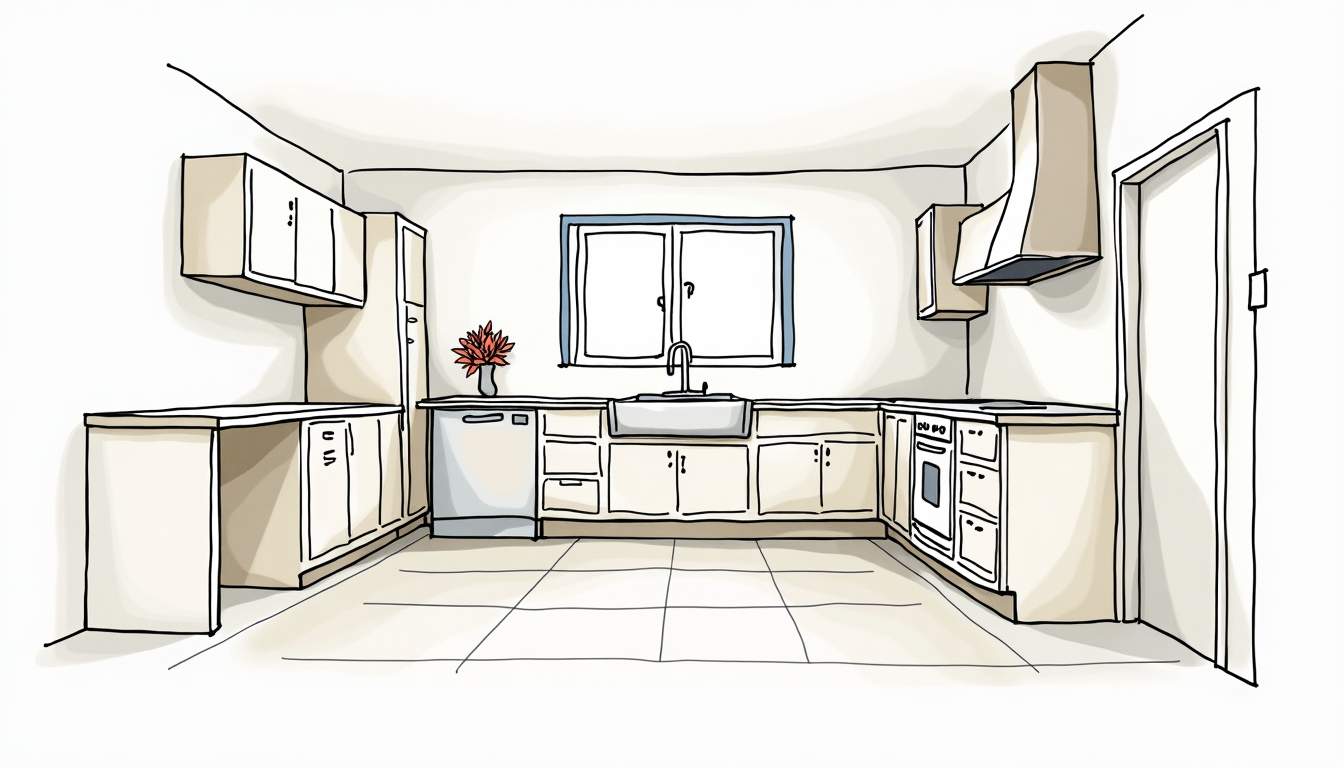
Proper placement ensures that the fan captures contaminants before they spread throughout the room. Avoid installing fans near windows or doors, as this can cause short-circuiting of airflow, reducing ventilation efficiency.
Ducting and Venting Considerations
Exhaust fans must vent air outside to prevent recirculation of pollutants indoors. Use smooth, rigid ductwork where possible to minimize airflow resistance. Flexible ducts can create turbulence and reduce fan efficiency.
Keep duct runs as short and straight as possible. Every bend or length of duct adds resistance, which can decrease airflow. Use insulated ducting in unconditioned spaces to prevent condensation buildup inside the ducts.
Ensure the vent terminates outside and is equipped with a backdraft damper to prevent outdoor air, insects, or debris from entering the duct when the fan is off.
Electrical and Safety Requirements
Exhaust fans require proper electrical wiring and should be installed according to local building codes. Bathrooms and kitchens often require fans to be connected to dedicated circuits and include ground-fault circuit interrupters (GFCIs) for safety.
Consider adding a timer or humidity sensor switch to automate fan operation, ensuring the fan runs long enough to remove moisture but not excessively, which wastes energy.
Step-by-Step Guide to Installing an Exhaust Fan
Gathering Tools and Materials
Before beginning installation, gather the necessary tools and materials:
- Exhaust fan unit
- Ductwork and vent cap
- Electrical wiring and connectors
- Drill and screwdriver
- Drywall saw or hole cutter
- Measuring tape and pencil
- Caulk or sealant
- Safety glasses and gloves
Installation Process
1. Choose the installation location: Mark the spot on the ceiling or wall where the fan will be installed, ensuring it aligns with existing joists or studs for mounting support.
2. Cut the opening: Use a drywall saw to cut an opening for the fan housing. Follow the manufacturer’s template for precise dimensions.
3. Install the fan housing: Secure the fan housing to the framing using screws or mounting brackets. Ensure it is flush with the ceiling or wall surface.
4. Connect the ductwork: Attach the duct to the fan’s exhaust port, securing it with duct tape or clamps. Run the duct to the exterior vent, minimizing bends and length.
5. Install the exterior vent cap: Mount the vent cap on the outside wall or roof, sealing around the edges to prevent leaks.
6. Wire the fan: Connect the fan’s wiring to the electrical circuit, following all safety guidelines and local codes. Install switches or sensors as needed.
7. Attach the fan grille: Install the decorative grille or cover to complete the installation.
8. Test the fan: Turn on the fan to check airflow and listen for unusual noises. Inspect the exterior vent to confirm air is being expelled properly.
Maintaining Your Exhaust Fan for Long-Term Performance
Regular Cleaning
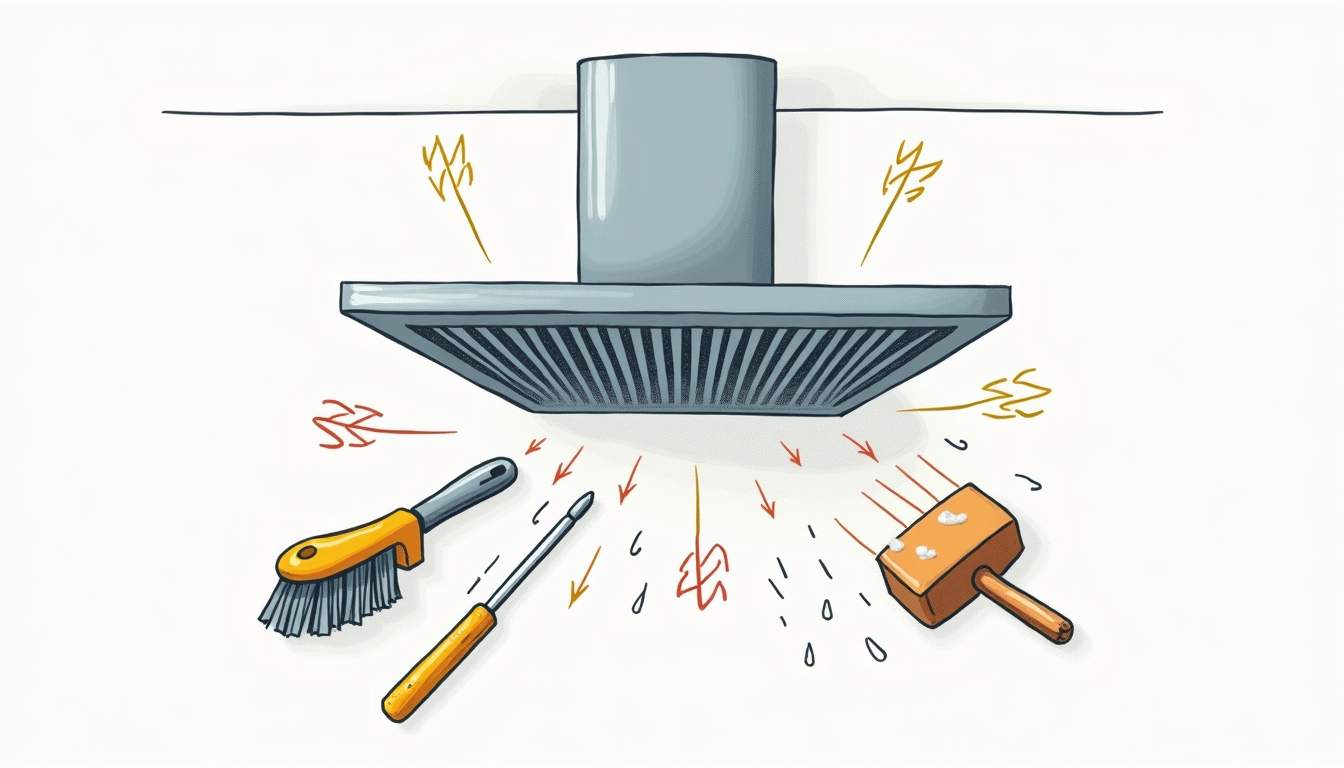
Dust and debris can accumulate on the fan blades and grille, reducing airflow and increasing noise. Clean the fan every six months by removing the grille and wiping down the blades with a damp cloth. For kitchen fans, grease buildup may require more frequent cleaning.
Inspecting Ductwork and Vent Caps
Periodically check the ductwork for signs of damage, disconnections, or blockages. Ensure the exterior vent cap is free of obstructions like leaves, nests, or ice. Keeping ducts clear maintains efficient airflow and prevents backdrafts.
Replacing Worn Components
Over time, fan motors and bearings can wear out, causing decreased performance or noise. If the fan becomes excessively loud or airflow diminishes despite cleaning, consider replacing the fan unit or its components.
Advanced Tips for Optimizing Airflow Control
Integrating Exhaust Fans with Fresh Air Intake
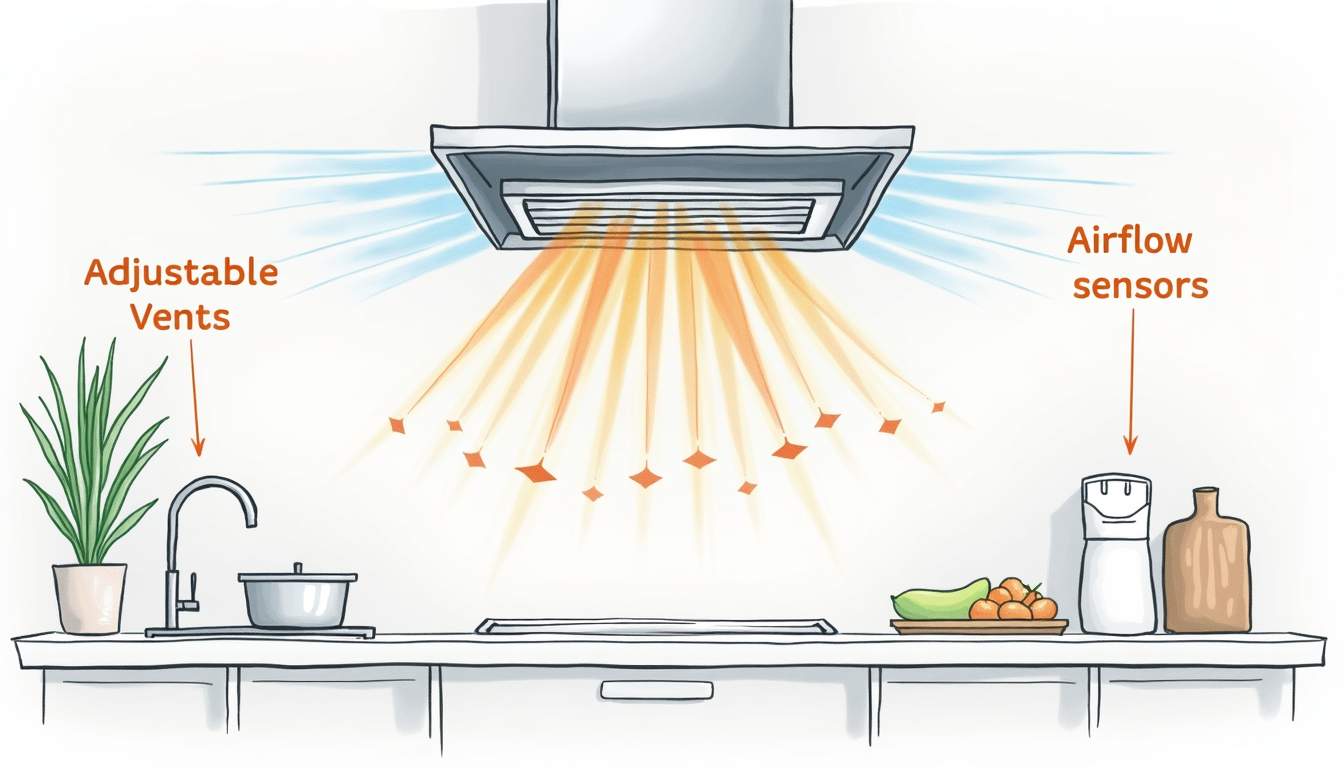
For balanced ventilation, it’s important to provide a source of fresh air to replace the exhausted air. This can be achieved through trickle vents, operable windows, or dedicated fresh air intakes. Without this, the exhaust fan may create negative pressure, drawing in unfiltered air from undesirable locations.
Using Humidity and Motion Sensors
Installing exhaust fans with humidity sensors allows the fan to automatically turn on when moisture levels rise, such as during showers. Motion sensors can activate fans when a room is occupied, improving energy efficiency by running fans only when needed.
Combining Exhaust Fans with Whole-House Ventilation Systems
In larger homes or buildings, exhaust fans can be part of an integrated ventilation system that includes supply fans and heat recovery ventilators (HRVs). These systems balance exhaust and intake airflows, recover heat from outgoing air, and improve overall indoor air quality and energy efficiency.
Conclusion
Setting up an exhaust fan for better airflow control involves more than just installing the fan itself. Understanding the principles of airflow, choosing the right fan type and capacity, careful placement, proper ducting, and regular maintenance all contribute to an effective ventilation system. By following these guidelines, homeowners and building managers can improve indoor air quality, prevent moisture-related problems, and create a more comfortable living or working environment.
Investing time and effort into a well-planned exhaust fan setup pays off with healthier air, reduced energy costs, and enhanced comfort for everyone in the space.