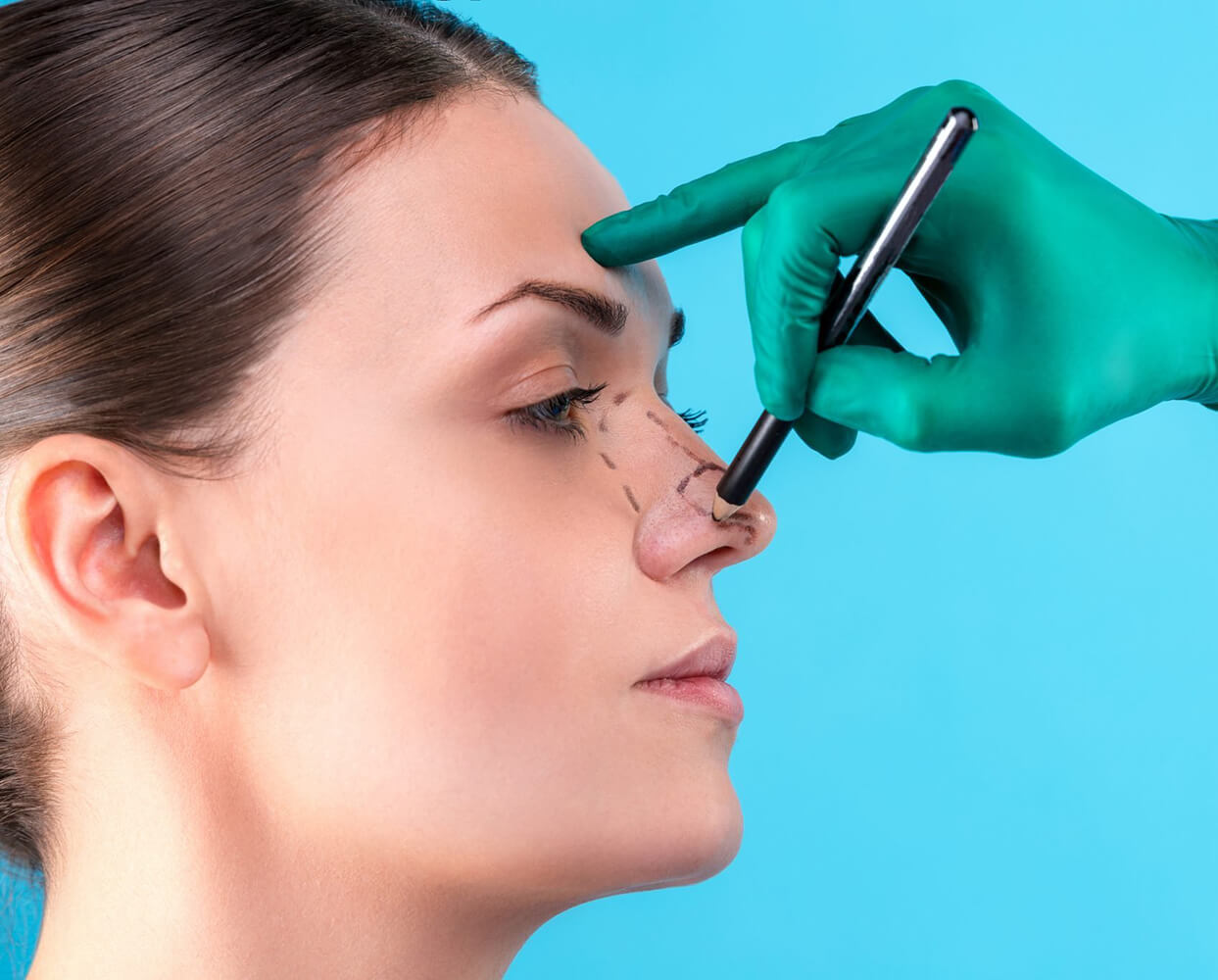
Rhinoplasty, commonly known as a nose job, is a popular cosmetic and functional procedure in Islamabad. While modern techniques are designed to minimize scarring, managing scars after surgery is crucial for achieving the best possible aesthetic results. Proper scar care not only improves the appearance of the nose but also ensures healthy tissue healing and overall satisfaction with the procedure. If you’re looking to enhance the shape and function of your nose, Rhinoplasty in Islamabad offers advanced surgical options performed by skilled and experienced surgeons.
Understanding Scarring After Rhinoplasty
The extent of scarring after rhinoplasty largely depends on the surgical technique used. There are two primary approaches: open and closed rhinoplasty. In closed rhinoplasty, all incisions are made inside the nostrils, which means there are no visible external scars. Open rhinoplasty, on the other hand, involves a small incision across the columella, the tissue between the nostrils. While this incision is external, it is typically minimal and strategically placed to heal discreetly.
Even though modern surgical methods aim to reduce visible scars, some patients may develop mild redness, thickening, or hyperpigmentation around the incision site. Factors that influence scar formation include skin type, age, genetics, post-operative care, and adherence to surgeon instructions. In Islamabad, experienced surgeons often provide personalized scar management plans to minimize visible scarring.
Immediate Post-Operative Care
The first few weeks after rhinoplasty are critical for scar management. Surgeons usually advise keeping the incision area clean and dry to prevent infection. Gentle cleaning with prescribed antiseptics or saline solutions helps remove debris without disturbing the healing tissue. Avoiding excessive touching, rubbing, or pressure on the nose is essential to prevent irritation or widening of the incision line.
Patients are also often advised to avoid smoking and alcohol consumption during the initial recovery period. These habits can impair blood flow and slow the healing process, increasing the risk of thicker or darker scars. Maintaining a healthy diet rich in vitamins and proteins supports tissue repair and overall recovery.
Minimizing Scar Visibility
Several strategies can be employed to reduce the visibility of scars after rhinoplasty. Silicone gel sheets or topical silicone-based creams are widely recommended for preventing hypertrophic scars and promoting even healing. These products create a protective barrier over the incision, maintain moisture, and encourage proper collagen formation. In Islamabad, many patients find these treatments effective when applied consistently as directed by their surgeon.
Sun protection is another critical factor in scar management. Exposure to ultraviolet (UV) rays can darken fresh scars, making them more noticeable. Patients should use sunscreen with high SPF or wear a protective mask or scarf when outdoors, especially during the first six months following surgery.
Massage and Gentle Manipulation
Once the incision has sufficiently healed, gentle scar massage may be recommended to improve tissue flexibility and prevent stiffness. Using clean fingers to apply light circular motions can enhance blood flow and support collagen remodeling. Surgeons in Islamabad usually provide instructions on when and how to start massage therapy safely, as doing it too early can interfere with the healing process.
Medical Treatments for Persistent Scars
In some cases, despite proper care, scars may become raised, thickened, or noticeable. Treatments such as corticosteroid injections, laser therapy, or microneedling can be employed to improve the appearance of these scars. Laser treatments, in particular, can reduce redness, flatten raised tissue, and promote a more natural skin tone. These interventions are generally safe when performed by skilled specialists in Islamabad and can significantly enhance the final cosmetic outcome.
Long-Term Scar Management
Scar management does not end once the incision has closed. Continued monitoring and care are essential for the best results. Patients should maintain a gentle skincare routine, avoid aggressive exfoliation, and follow any ongoing recommendations from their surgeon. Over time, most scars become less noticeable, blending naturally with the surrounding skin.
Choosing the Right Surgeon
A key factor in minimizing scarring is selecting an experienced rhinoplasty surgeon. Surgeons in Islamabad with extensive training in both open and closed techniques understand how to place incisions strategically for minimal visibility and optimal healing. During consultations, patients should discuss scar concerns and review before-and-after photos to set realistic expectations.
Conclusion
Scar management after rhinoplasty in Islamabad is an essential aspect of achieving both functional and aesthetic success. By understanding the healing process, following post-operative care instructions, and utilizing preventive and corrective treatments, patients can minimize visible scarring and enjoy a natural, refined appearance. With proper guidance from a skilled surgeon, most individuals experience discreet, well-healed scars that complement their overall results and enhance confidence in their new look.