Making a choice about your dental health is never easy. When you hear about Root Canal vs Tooth Extraction , it may feel confusing. You may ask yourself: Which one hurts less? Which option is safer? Which saves money in the long run? These are normal questions , and in this guide , you will get clear answers. I will explain both treatments in very easy wording so you can understand what happens , why dentists suggest them , and how you can decide what works best for you.
What Is a Root Canal Treatment?
A root canal is a dental procedure used to save a tooth that is badly damaged or infected. Instead of removing the tooth , the dentist cleans the inside part , removes the infected tissue , and seals it. By doing this , you can keep your natural tooth in place.
This treatment is often chosen when the outer tooth looks fine but the inside has decay or infection. It allows you to continue chewing normally , and your smile does not change. It is also less likely to cause shifting of nearby teeth , which often happens after a missing tooth.
What Is a Tooth Extraction?
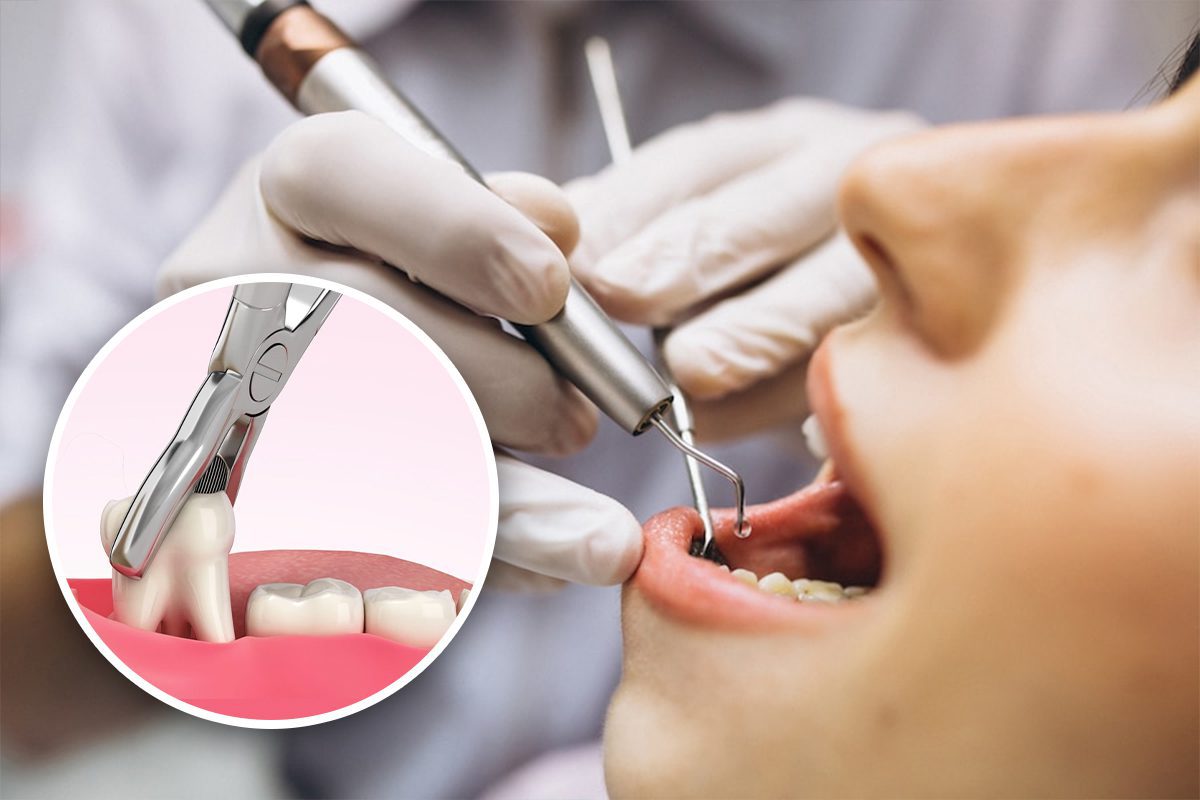
Sometimes a tooth is too damaged to save. In that case , a dentist may suggest tooth extraction. This means the tooth is taken out completely. After removal , you can replace it later with a bridge , implant , or denture.
Tooth extraction is usually faster than a root canal and may cost less in the beginning. But you must remember that losing a tooth can affect your bite , jawbone , and appearance over time. That is why dentists sometimes recommend saving the tooth if possible.
Comparing Pain and Recovery
One of the biggest worries people have is pain. A root canal sounds scary , but with modern tools , it feels like a normal filling. You may feel pressure or mild soreness , but it is manageable. Recovery usually takes a few days.
With extraction , you may feel more discomfort because the tooth is pulled out from the root. After the procedure , swelling and bleeding are common , and you must follow aftercare steps carefully. Healing usually takes longer , especially if the tooth is large or has multiple roots.
Cost Considerations
Many people look at the price before choosing. A root canal can be more expensive at first. However , keeping your natural tooth means you may save money later since you avoid the need for implants or bridges.
Extraction often costs less in the beginning , but replacing the missing tooth can become costly. If you leave the gap , nearby teeth may move , leading to other dental problems. That is why you must look at long-term costs , not just the first bill.
When Do Dentists Recommend Root Canal?
A dentist may recommend a root canal when:
- The tooth is infected but can still be saved.
- You feel sensitivity to hot and cold.
- You have swelling near the gums.
- The outer tooth is strong enough to remain in place.
Saving a natural tooth is usually the first choice when possible. It helps you keep a natural bite and avoids future dental work.
When Do Dentists Recommend Tooth Extraction?
A dentist may suggest extraction when:
- The tooth is cracked beyond repair.
- Infection is too deep.
- There is not enough bone to support it.
- Wisdom teeth cause crowding or pain.
In these cases , removal is often the safest and healthiest choice. The dentist will also explain replacement options so you can keep your smile healthy.
Emotional Side of the Decision
Dental treatments are not only about cost and pain. Many people feel emotional stress about losing a tooth. A root canal helps you avoid this , as you keep your natural tooth. Extraction , on the other hand , may cause worry about appearance.
Understanding that both treatments aim to protect your health can make the choice easier. The most important thing is to follow professional guidance and think about the long-term effect on your smile and confidence.
Expert Advice on Making the Choice
Dentists always look at the bigger picture before advising. They consider your overall oral health , the position of the tooth , the extent of damage , and your personal comfort. That is why you should never make the decision alone. Professional consultation will give you a clear idea of what fits your situation.
Trusted sources like Dental Advice Today also explain that prevention is the best approach. If you take care of your teeth daily with brushing , flossing , and regular checkups , you may not face the hard choice between root canal or extraction.
Long-Term Effects of Each Treatment
- Root Canal: You keep your natural tooth , which supports your jawbone and smile. There may be a need for a crown , but your bite remains normal.
- Extraction: You lose the tooth , and if not replaced , other teeth may shift. Over time , bone loss may also occur. Replacements like implants are strong but costly.
Thinking long term can help you see why saving the tooth is often the better option if possible.
Veelgestelde vragen
Q: Doet een wortelkanaalbehandeling meer pijn dan trekken?
A: Veel mensen denken dat een wortelkanaal erg pijnlijk is , maar met moderne verdoving voelt het vaak net als een gewone vulling. Het trekken van een tand kan juist meer napijn geven omdat de hele tand wordt verwijderd.
Q: Hoe lang duurt herstel na een behandeling?
A: Na een wortelkanaal kan je meestal binnen een paar dagen weer normaal eten. Bij trekken duurt het herstel vaak langer , soms een week of meer , afhankelijk van de tand.
Q: Welke optie is goedkoper op lange termijn?
A: Een tand trekken lijkt goedkoper , maar als je later een implantaat of brug nodig hebt , worden de kosten hoger. Een wortelkanaal kan in de toekomst juist geld besparen.
Q: Wat is beter voor je glimlach?
A: Een wortelkanaal behoudt je eigen tand , waardoor je glimlach natuurlijk blijft. Na het trekken moet je nadenken over vervanging om je gebit mooi en gezond te houden.
Conclusion
Choosing between Root Canal vs Tooth Extraction can feel overwhelming , but it becomes easier when you know the facts. A root canal helps you save your natural tooth and avoid long-term changes , while extraction may be quicker and cheaper in the short run. Both options aim to protect your dental health , and the right choice depends on your condition , budget , and future needs.
The most important step is talking to your dentist. With proper advice and clear understanding , you can make the decision that keeps your smile healthy and strong for years to come.