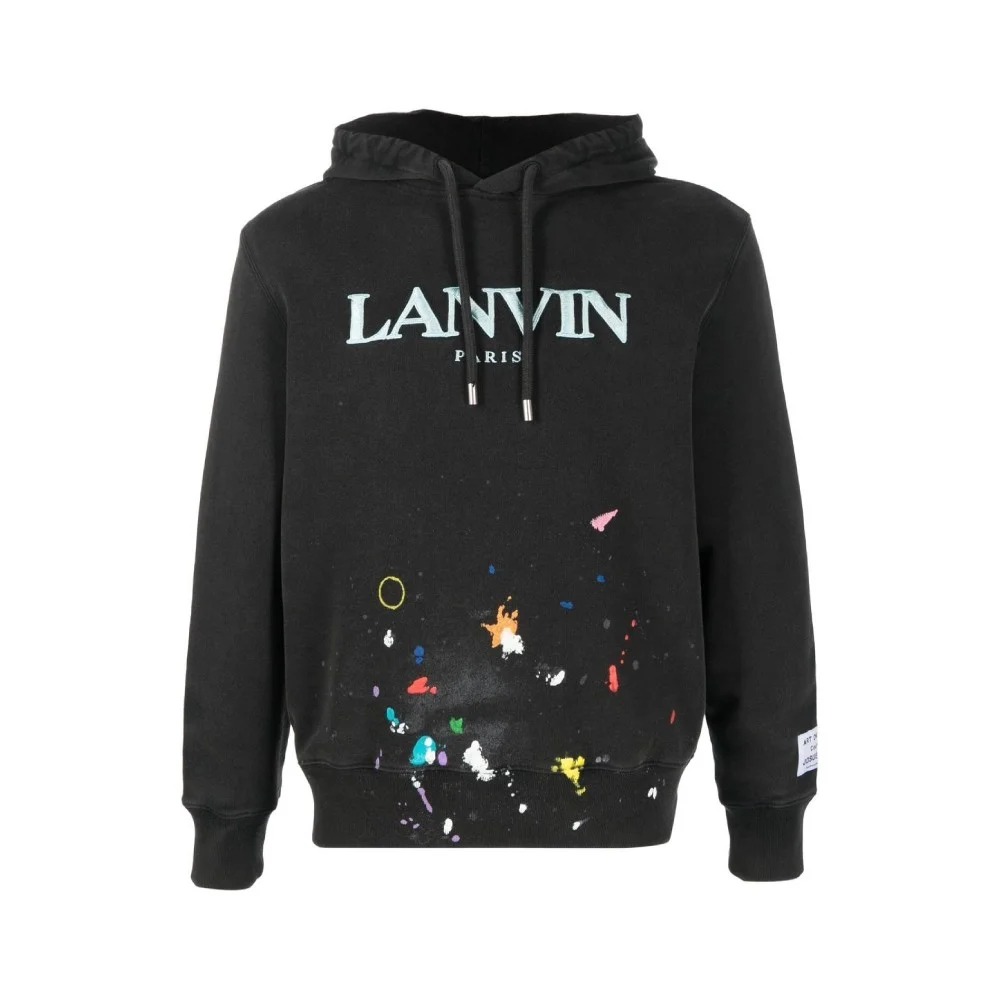
Founded in 1889 by Jeanne Lanvin, Lanvin is one of the oldest and most revered fashion houses in the world. Throughout its history, Lanvin has maintained a delicate balance between innovation and tradition, creating garments that reflect both aesthetic beauty and cultural meaning. From the intricate embroideries of early 20th-century gowns to modern streetwear collaborations, Lanvin has consistently infused its designs with symbolism that communicates identity, status, and cultural values. The brand’s commitment to storytelling through clothing sets it apart, making each piece a reflection of broader cultural narratives.
Fashion as a Cultural Language
Lanvin approach to design recognizes fashion as a form of language—a medium through which ideas, beliefs, and histories can be expressed without words. Every garment, accessory, or collection carries symbolic weight, whether through color, pattern, or silhouette. The house often draws inspiration from art, music, and literature, translating these influences into tangible pieces that communicate across cultures. In doing so, Lanvin positions its clothing as more than decorative apparel; it becomes a vehicle for cultural expression, conveying nuanced messages about identity, heritage, and societal values.
Emphasis on Craftsmanship and Detail
A hallmark of Lanvin’s cultural symbolism lies in its meticulous attention to craftsmanship. Embroidery, lacework, and hand-finished details often carry deeper meaning beyond aesthetics. For instance, floral motifs may symbolize femininity or renewal, while geometric patterns can reflect harmony or balance. Through these design choices, Lanvin embeds narratives into the garments themselves, inviting wearers to participate in a dialogue between tradition and contemporary expression. The precision and artistry of each piece ensure that symbolism is not superficial but integral to the design.
Color and Its Significance
Color is another powerful tool in Lanvin’s symbolic vocabulary. The house has historically used color to evoke emotion, signify status, or communicate cultural associations. Rich jewel tones, soft pastels, and bold monochromes appear in collections not merely for visual appeal but to convey ideas about elegance, confidence, or cultural heritage. In recent years, Lanvin has also experimented with unexpected color pairings in streetwear collaborations, allowing the brand to reinterpret its symbolic language for new audiences. Through color, Lanvin creates an emotional resonance that transcends geography and era, connecting wearers to both personal and collective experiences.
Silhouettes as Storytelling
Lanvin’s silhouettes have always carried symbolic meaning. The brand’s iconic designs—from the flowing dresses of the 1920s to contemporary tailored jackets—communicate notions of freedom, empowerment, or refinement. Each silhouette reflects a deliberate intention, whether to emphasize movement, grace, or strength. In modern collections, Lanvin’s streetwear-inspired shapes continue this tradition, blending relaxed fits with precise tailoring to convey both casual confidence and elevated sophistication. By carefully shaping garments, Lanvin allows clothing to become a medium through which cultural ideals are expressed physically and visually.
Motifs and Iconography
Lanvin frequently employs motifs and iconography that reference history, mythology, and art. The Arpège perfume logo, intricate floral embroideries, and signature ribbon details are examples of recurring symbols that carry layered meanings. These elements serve as visual shorthand for the brand’s heritage and philosophy. When applied in modern collections, motifs often bridge past and present, linking Lanvin’s rich history with contemporary cultural narratives. This interplay between heritage and innovation reinforces the brand’s identity as one that respects tradition while engaging dynamically with the present.
Cultural Symbolism in Luxury Collaborations
Lanvin’s collaborations with artists, designers, and other brands often amplify the cultural symbolism in its designs. By merging Lanvin’s traditional motifs with external creative perspectives, the brand produces pieces that are culturally layered and visually compelling. Collaborations provide opportunities to reinterpret symbols, challenge conventions, and address contemporary social themes. Whether working with streetwear brands or visual artists, Lanvin ensures that each collaboration carries narrative weight, transforming clothing into a medium for dialogue and cultural exchange.
Streetwear and Modern Interpretations
In recent years, Lanvin has embraced streetwear influences, adapting its symbolic design language for younger, more diverse audiences. Hoodies, oversized sweatshirts, and graphic tees incorporate traditional elements—such as ribbons, embroideries, or emblematic logos—into casual silhouettes. This fusion allows the brand to maintain its symbolic identity while staying relevant in fast-moving contemporary fashion markets. Streetwear pieces act as accessible conduits for Lanvin’s cultural storytelling, enabling new audiences to engage with the brand’s history and values through wearable art.
Symbolism in Marketing and Presentation
Lanvin’s approach to cultural symbolism extends beyond the garments themselves into marketing, presentation, and campaigns. Runway shows, digital content, and visual merchandising often highlight the historical, artistic, and social references embedded in designs. By contextualizing clothing within broader cultural narratives, Lanvin encourages consumers to engage intellectually and emotionally with the brand. Marketing thus becomes an extension of the symbolic design language, reinforcing the cultural significance of each collection and cultivating a deeper connection between brand and audience.
Global Cultural Influence
Lanvin’s symbolic designs resonate globally, reflecting universal themes while respecting cultural specificity. Through thoughtful integration of motifs, colors, and silhouettes, the brand communicates across borders, creating a shared language of elegance and artistic expression. Collaborations, digital campaigns, and international shows further extend this influence, ensuring that Lanvin’s symbolic identity is recognized and celebrated in diverse cultural contexts. The brand’s global reach underscores the power of design to transcend local boundaries while remaining culturally meaningful.
The Future of Cultural Symbolism at Lanvin
Looking ahead, Lanvin is likely to continue evolving its use of cultural symbolism, integrating gallery dept hoodie technology, sustainability, and cross-cultural perspectives into design. Digital fashion, interactive experiences, and collaborations with global artists may further expand the ways in which symbolism is conveyed. Lanvin’s commitment to storytelling ensures that each piece will continue to communicate layered meanings, fostering emotional resonance and cultural dialogue. By balancing tradition with innovation, the brand will maintain its identity as a custodian of symbolic, culturally rich design while embracing new possibilities for creative expression.
Conclusion: Design as Cultural Dialogue
Lanvin demonstrates that fashion is not merely a matter of aesthetics—it is a medium for cultural dialogue. Through motifs, colors, silhouettes, and collaborations, the brand embeds meaning into every garment, allowing wearers to participate in a conversation that spans history, art, and contemporary culture. Whether through luxury gowns or streetwear hoodies, Lanvin’s symbolic designs reflect identity, heritage, and social narratives, making fashion an instrument of cultural storytelling. In this way, the brand continues to bridge past and present, tradition and innovation, ensuring that Lanvin remains a leading voice in global fashion and cultural expression.