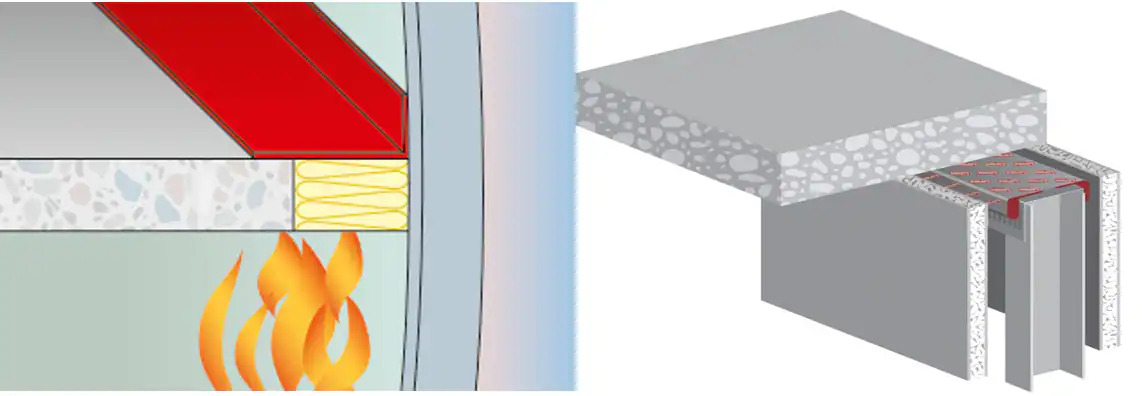
Windows and doors are some of the weakest points in a building when it comes to fire safety. While walls, floors, and ceilings can be built with high fire-resistance ratings, gaps around openings often act as hidden passageways for fire and smoke. That’s why firestopping around windows and doors is a critical part of fire protection in both residential and commercial buildings.For larger projects, consulting professionals or using Firestopping Estimation Services ensures accurate budgeting and compliance with fire codes. A small investment today can save lives and property tomorrow.
In this article, we’ll explain why firestopping is necessary, the materials you need, and a complete step-by-step process to ensure your windows and doors are properly sealed.
Why Firestopping Windows and Doors is Important
- Stops Fire Spread: Prevents flames from traveling through small gaps and cracks.
- Blocks Smoke: Smoke inhalation is the leading cause of fire-related injuries. Firestopping materials help contain smoke.
- Maintains Fire Ratings: Even if your walls are rated for 2 hours, unsealed door or window gaps can compromise that protection.
- Increases Escape Time: Proper sealing slows fire progression, giving occupants more time to evacuate.
Common Fire Risks Around Windows and Doors
- Gaps Between Frames and Walls : Caused by settling or poor installation.
- Improper Sealing : Using normal caulk instead of intumescent sealant.
- Combustible Materials : Wood trim without fire-resistant treatment.
- Glass Breakage : Non-rated glass can shatter quickly in fire.
Materials Needed for Firestopping
- Intumescent Sealant or Caulk : Expands when exposed to heat, sealing gaps.
- Fire-Rated Spray Foam : For larger openings around frames.
- Fire-Resistant Backer Rods : Fill deep joints before applying sealant.
- Metal or Mineral Wool Insulation : Non-combustible filler for wide spaces.
- Fire-Rated Door and Window Frames : Certified frames designed to resist flames.
- Fire-Resistant Glass (for windows) : Wired glass, ceramic glass, or tempered fire-rated glass.
Step-by-Step Guide: Firestopping Around Windows and Doors
Step 1: Inspect the Openings
Check for gaps around window and door frames. Look for cracks, holes, or poorly sealed joints.
Step 2: Clean the Surface
Remove dust, old caulk, or debris. A clean surface ensures proper adhesion of firestopping materials.
Step 3: Insert Backer Material
For deep gaps, place a fire-resistant backer rod or mineral wool inside the cavity. This provides support and reduces sealant consumption.
Step 4: Apply Intumescent Sealant
Use a caulking gun to apply intumescent sealant evenly around the edges. Smooth it out with a spatula for a clean finish.
Step 5: Fill Larger Gaps with Spray Foam
For wider spaces around door frames, use fire-rated spray foam. Trim the excess once it cures.
Step 6: Install Fire-Rated Frames and Glass
If replacing windows or doors, choose fire-rated frames and glass with the required fire rating (30 minutes to 2 hours).
Step 7: Test and Inspect
Once complete, check for any missed gaps. Ensure sealant is continuous and properly cured.
For accurate budgeting and compliance, many homeowners and contractors rely on Firestopping Estimating to calculate material needs, labor costs, and ensure everything meets fire codes.
Firestopping Around Windows
- Use fire-rated glazing systems.
- Seal gaps between glass and frame with fire-resistant glazing tape.
- Avoid ordinary silicone sealants they melt under heat.
Firestopping Around Doors
- Install fire-rated door sets (including frame, leaf, and hardware).
- Add intumescent strips around the door edges. These expand under heat and block smoke.
- Seal frame-to-wall joints with approved sealants or mineral wool.
Cost of Firestopping Windows and Doors
|
Item |
Average Cost (per unit) |
|
Intumescent Sealant (tube) |
$10 – $25 |
|
Fire-Rated Spray Foam |
$20 – $40 |
|
Fire-Rated Window Glass |
$30 – $75 per sq. ft. |
|
Fire-Rated Door (complete) |
$400 – $1,200 |
|
Professional Installation |
$200 – $600 |
Costs vary based on building size, materials, and local labor charges.
Common Mistakes to Avoid
Using regular caulk instead of intumescent sealant.
Leaving gaps larger than ¼ inch unsealed.
Assuming normal glass is fire-resistant.
Skipping professional inspection in commercial buildings.
Maintenance and Inspection
- Inspect firestopping seals annually.
- Replace damaged or cracked caulking immediately.
- Ensure that fire-rated doors close automatically and latch properly.
- Check fire-rated glass for scratches or edge damage.
Benefits of Proper Firestopping
- Enhanced fire safety and compliance
- Longer evacuation time
- Reduced insurance costs
- Increased property value
- Peace of mind
Conclusion
Firestopping around windows and doors is not just an extra safety measure, it’s a necessity. By using the right materials like intumescent sealants, spray foams, mineral wool, and fire-rated frames, you can significantly reduce fire risks in your home or building.
FAQs
Q1. Do all windows and doors need firestopping?
Yes, especially in fire-rated walls and compartments. Even small gaps can compromise safety.
Q2. Can I do firestopping myself?
Yes, for small residential jobs. But for commercial buildings, professional installation is recommended.
Q3. How long does firestopping sealant last?
Most products last 10–20 years but should be inspected regularly.
Q4. What’s the difference between fire-rated doors and normal doors?
Fire-rated doors can withstand flames and heat for 30–120 minutes, while normal doors burn quickly.
Q5. Is fire-resistant glass expensive?
Yes, it costs more than standard glass but provides critical safety benefits.