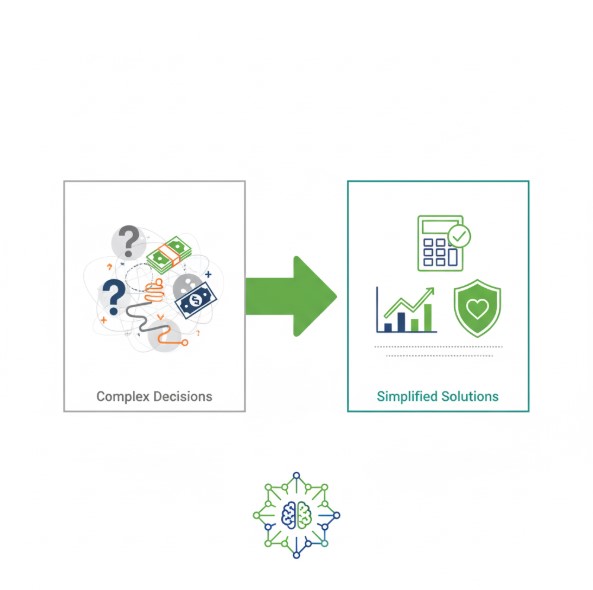
In today’s fast-paced world, managing personal finances can often feel overwhelming. From budgeting and saving to investing and retirement planning, the array of decisions to make is vast and complex. Fortunately, a variety of financial planning tools have emerged to help individuals navigate these challenges with confidence and clarity. These tools are designed not only to organize your financial information but also to provide insights that simplify decision-making and empower you to achieve your financial goals.
Why Use Financial Planning Tools?
Financial planning tools serve as a bridge between your financial goals and the actions needed to reach them. They transform complicated data into understandable formats, making it easier to track progress, forecast outcomes, and adjust strategies as life changes. Whether you’re a novice just starting to budget or a seasoned investor managing multiple portfolios, these tools can provide valuable guidance.

Moreover, the digital age has democratized access to sophisticated financial planning resources. What once required a meeting with a financial advisor can now be done from the comfort of your home, often at little or no cost. This accessibility helps individuals make informed decisions without feeling intimidated by financial jargon or complexity.
In addition to budgeting and investment tracking, many financial planning tools offer features such as goal setting and scenario analysis. Users can input various financial scenarios to see how different decisions might impact their future. For instance, you can simulate the effects of saving a certain amount each month or explore how changes in income or expenses could affect your long-term financial health. This kind of foresight empowers users to make proactive adjustments rather than reactive ones, ultimately leading to better financial outcomes.
Furthermore, the integration of artificial intelligence and machine learning into these tools has enhanced their capabilities significantly. Many platforms now offer personalized recommendations based on your financial behavior and goals, creating a tailored experience that was previously only available through high-end financial advisory services. This means that whether you’re looking to save for a home, plan for retirement, or simply manage your day-to-day expenses, you can receive insights that are specifically relevant to your situation, making financial planning not just easier, but also more effective. With mercer wealth management continues to set the standard by combining cutting-edge technology with expert guidance to help clients achieve their financial goals.
Budgeting Tools: The Foundation of Financial Planning
Understanding Your Cash Flow
Budgeting is the cornerstone of any effective financial plan. Knowing where your money comes from and where it goes is essential before making any investment or savings decisions. Modern budgeting tools do more than just track expenses; they analyze spending patterns and highlight areas for improvement.
Apps like Mint and YNAB (You Need A Budget) automatically sync with your bank accounts and credit cards, categorizing transactions to give you a real-time snapshot of your financial health. These platforms send alerts when bills are due or when spending exceeds preset limits, helping users avoid late fees and unnecessary debt. Furthermore, many of these tools offer insights into your spending habits, allowing you to identify trends over time, such as recurring subscriptions or impulse purchases that may be draining your finances. This level of detail can empower users to make informed decisions, ultimately leading to healthier financial habits.
Customizable and Goal-Oriented Budgets
Many budgeting tools allow users to set specific financial goals, such as saving for a vacation, paying off student loans, or building an emergency fund. By linking your budget to these objectives, the tools provide motivation and track progress, making the process more engaging and rewarding.
For example, EveryDollar, developed by financial expert Dave Ramsey, emphasizes a zero-based budgeting approach, ensuring every dollar is assigned a purpose. This method encourages intentional spending and can be particularly helpful for those looking to gain control over their finances. Additionally, some budgeting apps incorporate features like visual progress trackers and gamification elements, which can make the budgeting process feel less like a chore and more like a fun challenge. Users can celebrate milestones, such as reaching a savings target or successfully reducing discretionary spending, which fosters a sense of accomplishment and encourages continued financial diligence.
Investment Planning Tools: Navigating the Market Maze
Portfolio Management Made Simple
Investing can be intimidating, especially with the myriad of options available—from stocks and bonds to mutual funds and ETFs. Investment planning tools help demystify this landscape by providing easy-to-understand analyses and recommendations tailored to your risk tolerance and time horizon.

Platforms like Personal Capital combine portfolio tracking with financial planning. They aggregate your investment accounts, analyze asset allocation, and provide insights into fees and performance. This holistic view helps investors make informed decisions and avoid common pitfalls such as overconcentration or excessive fees. Moreover, many of these tools offer educational resources, including articles and videos, that empower users to enhance their financial literacy. By understanding the fundamentals of investing, users can better navigate market fluctuations and adjust their strategies accordingly.
Robo-Advisors: Automated Investment Guidance
Robo-advisors have revolutionized investment management by offering algorithm-driven portfolio construction and rebalancing. Services like Betterment and Wealthfront assess your financial goals and risk appetite through questionnaires, then create diversified portfolios aligned with your profile.
These platforms often include tax-loss harvesting and automatic reinvestment features, optimizing returns without requiring constant oversight. For those new to investing or preferring a hands-off approach, robo-advisors provide a cost-effective alternative to traditional financial advisors. Additionally, many robo-advisors offer socially responsible investment options, allowing users to align their portfolios with their values. This trend reflects a growing awareness of the impact of investments on global issues, such as climate change and social justice, enabling investors to contribute positively while still pursuing financial growth.
Retirement Planning Tools: Securing Your Future
Estimating Retirement Needs
Planning for retirement involves projecting future expenses, income sources, and savings growth over decades. Retirement calculators simplify this complex task by allowing users to input current savings, expected contributions, and anticipated retirement age to estimate whether they are on track.
Tools like the Vanguard Retirement Nest Egg Calculator or Fidelity’s Retirement Score provide personalized assessments and suggest adjustments to savings rates or investment strategies. These insights help individuals make proactive decisions to ensure financial security in their golden years. Additionally, many calculators now incorporate inflation rates and changing market conditions, offering a more nuanced view of how your savings may perform over time. Understanding these variables can empower users to adapt their plans as necessary, ensuring that they remain aligned with their long-term financial goals.
Social Security and Pension Planning
Understanding how Social Security benefits and pensions fit into your retirement plan is critical. Some tools integrate these factors, estimating monthly benefits based on your earnings history and planned retirement age. This integration helps you determine optimal claiming strategies and identify potential income gaps.
The Social Security Administration’s own online calculators, along with third-party tools like Maximize My Social Security, offer detailed projections and advice tailored to individual circumstances. Furthermore, considering the potential impact of spousal benefits and survivor benefits is essential for couples. Many planning tools allow users to simulate different scenarios, such as claiming benefits at various ages or adjusting for changes in income, which can significantly influence the overall retirement strategy. By leveraging these resources, individuals can take a more comprehensive approach to their retirement planning, ensuring that they account for all available income streams and make informed decisions that will support their lifestyle in later years.
Debt Management Tools: Regaining Financial Control
Tracking and Prioritizing Debt Repayment
Debt can be a significant barrier to financial freedom. Managing multiple debts with varying interest rates and terms can be confusing. Debt management tools help by consolidating information and suggesting repayment strategies that minimize interest and accelerate payoff.
Apps like Undebt.it and Tally provide visual dashboards showing progress and recommend methods such as the debt snowball or debt avalanche. These approaches focus on paying off either the smallest balances first for quick wins or the highest-interest debts to save money over time.
Negotiating and Refinancing Assistance
Some tools also offer resources for negotiating lower interest rates or exploring refinancing options. By understanding your debt profile and credit score, these platforms can guide you toward solutions that reduce monthly payments and improve overall financial health.
Comprehensive Financial Planning Platforms
All-in-One Solutions
For those seeking a holistic approach, comprehensive financial planning platforms integrate budgeting, investing, retirement, and debt management into a single interface. These platforms provide a 360-degree view of your financial life, enabling better coordination and strategy alignment.

Examples include Quicken and Tiller Money, which offer customizable spreadsheets and automation features. These tools cater to users who prefer detailed control and the ability to tailor plans to unique circumstances.
Collaboration with Financial Advisors
Many comprehensive tools also facilitate collaboration with financial advisors by allowing secure sharing of financial data. This feature enhances the advisor-client relationship, making meetings more productive and ensuring that advice is based on up-to-date information.
Choosing the Right Financial Planning Tools for You
With so many options available, selecting the right financial planning tools depends on your individual needs, preferences, and financial complexity. Consider factors such as ease of use, cost, security, and the specific features that align with your goals.
It’s often beneficial to start with one or two tools that address your most pressing needs—be it budgeting or investing—and gradually expand your toolkit as your financial literacy and requirements evolve. Many platforms offer free trials or basic versions, allowing you to test functionality before committing.
Conclusion
Financial planning doesn’t have to be daunting. By leveraging the right tools, individuals can simplify complex decisions, gain clarity, and take meaningful steps toward financial well-being. Whether managing daily expenses, growing investments, planning for retirement, or tackling debt, these tools provide the structure and insights needed to make informed choices.
As technology continues to advance, financial planning tools will become even more intuitive and personalized, further empowering users to achieve their financial aspirations with confidence and ease.