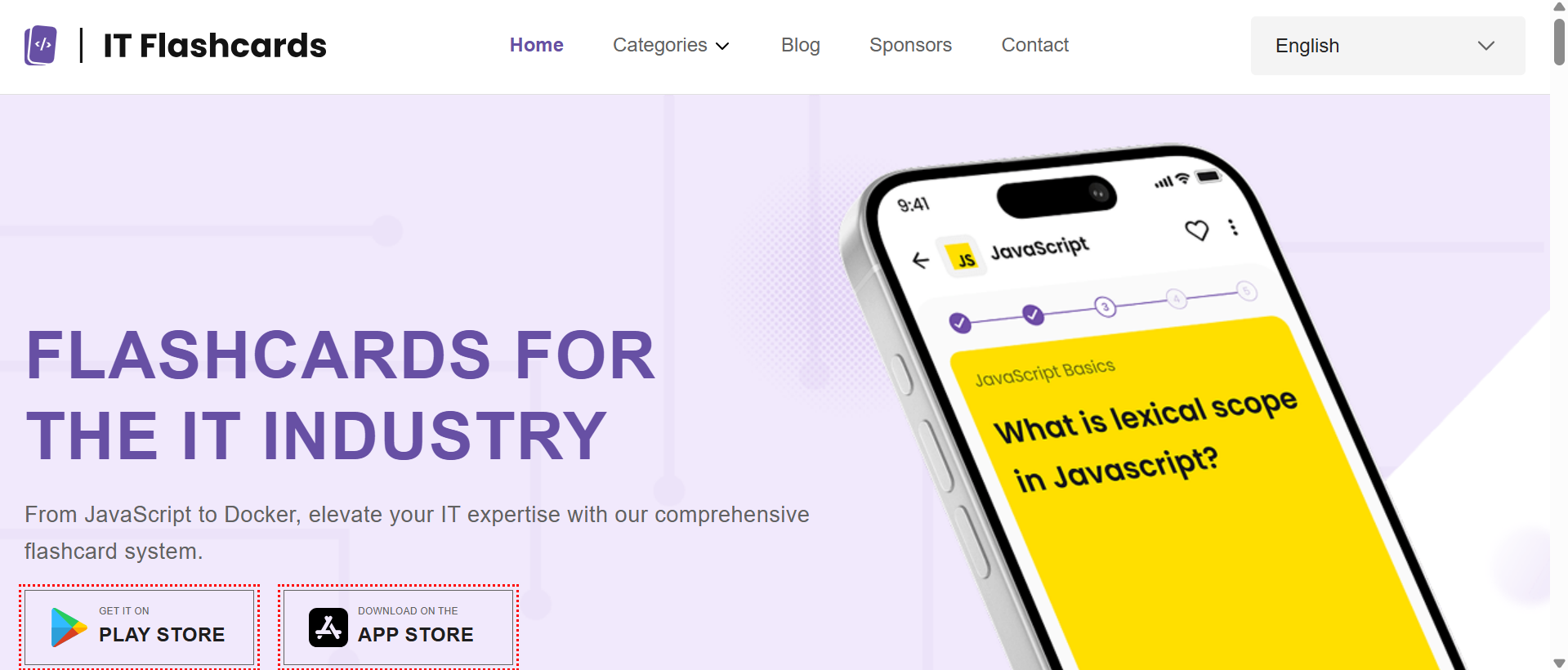
Crack Coding Rounds with ReactJS Interview Flashcards
ReactJS is one of the most widely used JavaScript libraries for building interactive user interfaces. With its popularity across startups and enterprises alike, ReactJS skills are highly valued in the job market. For developers preparing for technical interviews, reviewing key concepts efficiently can be challenging. A practical way to study smarter is by using ReactJS interview flashcards, which make preparation structured, engaging, and effective.
Why Use Flashcards for ReactJS Interview Prep?
Interviews often test not just theoretical understanding but also how quickly candidates can recall and apply knowledge. Reading blogs or practicing long coding exercises is helpful, but without active recall, it’s easy to forget critical details under pressure. ReactJS interview flashcards solve this problem by breaking concepts into bite-sized questions and answers, encouraging quick self-testing and repetition.
Flashcards also promote spaced repetition, where topics appear frequently until mastered, ensuring that even complex ReactJS principles remain fresh during interviews.
Essential Topics for ReactJS Interview Flashcards
When creating or using ReactJS interview flashcards, it’s important to focus on the most frequently asked interview questions. Some must-have areas include:
-
React Fundamentals – JSX, components, props, and state.
-
Lifecycle Methods –
componentDidMount,shouldComponentUpdate, and hooks replacements. -
Hooks –
useState,useEffect,useContext, and custom hooks. -
Event Handling – Binding methods, synthetic events, and event delegation.
-
State Management – Context API, Redux basics, and state lifting.
-
Performance Optimization – React.memo, lazy loading, and code splitting.
-
Routing – React Router basics and dynamic routing.
-
Testing – Writing unit tests with Jest and React Testing Library.
By focusing flashcards on these areas, developers cover both core knowledge and advanced concepts that commonly appear in interviews.
Sample Flashcard Questions
Here are a few examples of how ReactJS interview flashcards might look:
-
What is the difference between functional and class components?
-
How does the Virtual DOM improve performance in React?
-
Explain the purpose of
useEffectwith a code example. -
What is the difference between props and state?
-
When should you use React.memo?
These questions prepare candidates to explain concepts clearly while also giving them the confidence to tackle coding tasks during live interviews.
Benefits of Flashcards for Developers
-
Quick Reviews – Developers can go through 10–15 flashcards during a break, making learning less overwhelming.
-
Active Recall – Practicing questions boosts memory retention far better than passive reading.
-
Interview Confidence – Flashcards prepare candidates for both theoretical and practical interview questions.
-
Flexibility – Flashcards can be customized to focus on weak areas, whether it’s hooks, state management, or testing.
Conclusion
Interview preparation doesn’t need to feel like a marathon. By using ReactJS interview flashcards, developers can review essential topics in a structured, interactive way that fits easily into daily routines. Whether you’re a beginner preparing for your first React role or an experienced developer aiming for a senior position, flashcards provide the focused practice you need to succeed in ReactJS interviews.