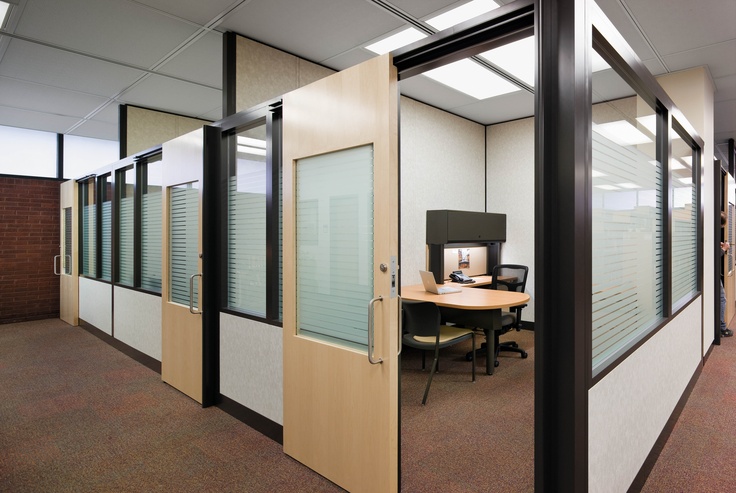
Modern architecture focuses not only on beauty but also on functionality and flexibility. One solution that embodies these qualities is the collapsible wall. Also known as folding walls or movable walls, these structures are designed to save space and create adaptable environments. From residential interiors to commercial buildings, collapsible walls are becoming a preferred choice for homeowners, architects, and business owners.
In this blog, we will explore the design, advantages, types, installation, and practical uses of collapsible walls in detail.
What is a Collapsible Wall?
A collapsible wall is a movable partition that can be expanded or folded to divide or open up a space. Unlike permanent walls, these partitions offer flexibility and convenience. They are built with panels that fold, slide, or stack, making them easy to operate.
Collapsible walls are commonly used in:
-
Homes to create multipurpose rooms
-
Offices to divide workspaces
-
Hotels and conference halls for managing large gatherings
-
Schools and institutions to create temporary classrooms
The main goal of a collapsible wall is to maximize available space while providing privacy, sound control, and aesthetic appeal.
Advantages of Collapsible Walls
Collapsible walls offer multiple benefits compared to traditional fixed walls.
1. Space-Saving Design
One of the biggest advantages of a collapsible wall is its ability to save space. You can fold or slide the wall to create an open area when needed and close it when privacy is required.
2. Flexibility in Usage
These walls allow you to change the layout of a room in minutes. For example, a large hall can be transformed into smaller meeting rooms with collapsible partitions.
3. Aesthetic Appeal
Collapsible wall designs are available in various finishes, including glass, wood, metal, and fabric. This variety makes them suitable for both modern and traditional interiors.
4. Cost-Effective
Instead of constructing permanent walls, installing collapsible walls is often more affordable. They also reduce renovation costs since they can be relocated or adjusted easily.
5. Noise Reduction
High-quality collapsible partitions are designed with acoustic materials, making them ideal for offices, classrooms, and meeting halls.
6. Easy Installation and Maintenance
Unlike traditional walls, collapsible partitions are easier to install. They require minimal structural changes and are easy to clean and maintain.
Types of Collapsible Walls
Collapsible walls come in different forms depending on material, functionality, and design.
1. Folding Collapsible Walls
These are accordion-style walls that fold when not in use. They are commonly used in schools, restaurants, and offices.
2. Sliding Collapsible Walls
These walls move along tracks and stack neatly on one side. They are ideal for large halls and open-plan spaces.
3. Glass Collapsible Walls
Glass collapsible walls combine transparency and flexibility. They allow natural light to enter while maintaining privacy when required.
4. Wooden Collapsible Walls
Wooden designs add warmth and elegance to interiors. They are often used in homes, hotels, and high-end offices.
5. Acoustic Collapsible Walls
Made with soundproofing materials, these walls are perfect for offices, conference rooms, and auditoriums.
Collapsible Wall Designs
The design of a collapsible wall plays a vital role in its functionality and appearance.
-
Modern Minimalist Designs: Simple, sleek, and ideal for corporate offices.
-
Glass and Aluminum Frames: Great for modern homes and workplaces that need natural light.
-
Wooden Panel Walls: Blend perfectly with traditional and rustic interiors.
-
Fabric Collapsible Walls: Lightweight and often used for temporary setups like exhibitions.
When choosing a design, consider factors like:
-
Purpose (privacy, space division, aesthetics)
-
Room size and layout
-
Acoustic needs
-
Budget
Applications of Collapsible Walls
Collapsible walls are highly versatile and can be installed in various spaces.
1. Residential Spaces
-
Divide living and dining areas
-
Create temporary guest rooms
-
Use as balcony enclosures
-
Transform open-plan layouts into separate functional areas
2. Commercial Offices
-
Divide conference halls into smaller meeting rooms
-
Create private cabins in open spaces
-
Enhance productivity with soundproof partitions
3. Hotels and Restaurants
-
Flexible room arrangements for events
-
Temporary sections for private dining
-
Efficient management of banquet halls
4. Educational Institutions
-
Divide classrooms into smaller learning areas
-
Create examination halls
-
Flexible use of multipurpose spaces
5. Healthcare Facilities
-
Temporary patient partitions
-
Space division in large halls
-
Quick adaptation for emergency setups
Materials Used in Collapsible Walls
The choice of material impacts durability, appearance, and cost.
-
Aluminum: Lightweight, durable, and rust-resistant
-
Glass: Modern, sleek, and allows light transmission
-
Wood: Warm appearance with good insulation
-
PVC and Fabric: Lightweight, affordable, and easy to install
-
Steel: Strong and long-lasting, used for heavy-duty applications
Installation and Maintenance
Installation
Collapsible walls are installed on tracks fixed to ceilings or floors. Proper installation ensures smooth movement and long life. Professional installation is recommended to avoid alignment issues.
Maintenance
-
Regular cleaning with mild solutions
-
Lubrication of sliding tracks
-
Checking hinges and joints for wear
-
Repairing minor damages promptly
With proper care, collapsible walls can last for many years.
Choosing the Right Collapsible Wall
When selecting a collapsible wall, consider:
-
Purpose: Privacy, sound control, or aesthetics
-
Material: Wood, glass, metal, or fabric
-
Budget: Cost of installation and maintenance
-
Space Size: Larger areas may need sliding or stacking systems
-
Design: Match with existing interior style
Future Trends in Collapsible Walls
The demand for collapsible walls is increasing due to modern living and working requirements. Some upcoming trends include:
-
Smart collapsible walls with remote control operation
-
Eco-friendly materials like bamboo and recycled panels
-
Customizable designs with branding for offices and events
-
Integration with smart home systems for automated space division
Conclusion
A collapsible wall is more than just a space divider—it’s a smart solution for modern living and working environments. Whether used in homes, offices, hotels, or institutions, collapsible walls provide flexibility, aesthetic appeal, and cost savings. With various designs and materials available, they can transform any space into a versatile, functional area.
Investing in collapsible walls is a future-ready choice that aligns with the growing demand for adaptable spaces.