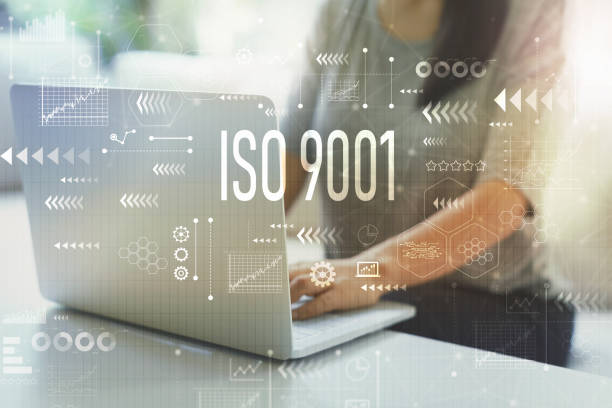
Picture yourself in a client meeting, pitching your consulting services to a company desperate to streamline their operations. They’re nodding along, impressed by your expertise, but then they ask, “Can you help us with ISO 9001 audits?” If you hesitate, you might lose their confidence. But if you’re trained as an ISO 9001 internal auditor, you’re not just in the game—you’re leading it. For consultants, trainers, and freelancers, this training isn’t just a credential; it’s a golden key to bigger opportunities, better gigs, and a reputation that screams “I’ve got this.” So, why should you, the savvy professional, care about ISO 9001 internal auditor training in 2025? Let’s break it down.
What’s ISO 9001, and Why’s It Such a Big Deal?
ISO 9001 is the world’s go-to standard for quality management systems (QMS). It’s like a roadmap for companies to deliver consistent, high-quality products or services while keeping customers happy and processes efficient. Think of it as the backbone of operational excellence, whether you’re dealing with a manufacturing plant, a tech startup, or a service-based business. The standard covers everything from process documentation to customer feedback loops, ensuring nothing slips through the cracks.
As a consultant or trainer, you’re often the one helping businesses fine-tune their operations. ISO 9001 internal auditor training equips you to check if a company’s QMS is up to snuff—spotting gaps, fixing issues, and proving their quality game is tight. Why does this matter? Because in a competitive market, clients want partners who can deliver measurable results, not just fancy slide decks.
The Freelancer’s Edge: Why This Training Sets You Apart
Let’s be honest—consulting and freelancing are crowded fields. Every other LinkedIn profile boasts “process improvement expert” or “quality guru.” So, how do you stand out? ISO 9001 internal auditor training is your secret weapon. It’s not just about learning a standard; it’s about becoming the person clients trust to keep their businesses running smoothly.
Here’s why it’s a game-changer:
- Client Magnet: Companies pursuing or maintaining ISO 9001 certification need auditors. Being trained makes you the go-to expert for audits, gap analyses, or pre-certification prep.
- Bigger Pay checks: Specialized skills command higher rates. Certified auditors often charge premium fees for their expertise.
- Flexibility: Whether you’re working with a small bakery or a global logistics firm, ISO 9001 applies across industries, giving you endless opportunities.
What’s the Training Really Like?
Okay, let’s get real. Signing up for an ISO 9001 Internal Auditor Course might sound like a slog—visions of dry lectures and endless manuals. But here’s the thing: modern courses are designed for busy professionals like you. They’re practical, engaging, and packed with real-world scenarios. Typically running 2–3 days (or spread out if you go virtual), these courses cover:
- ISO 9001 Basics: Understanding the standard’s requirements, from process mapping to risk-based thinking.
- Audit Know-How: Learning to plan, conduct, and report audits like a pro. Think of it as being a quality detective, sniffing out inefficiencies.
- Non-Conformance Fixes: How to spot issues (like a sloppy process or missing documentation) and recommend practical solutions.
- Communication Skills: Translating audit findings into clear, actionable advice for clients or their teams.
A Quick Detour: The Human Side of Quality
Here’s something I’ve learned working with consultants: quality management isn’t just about processes—it’s about people. You’re not just auditing checklists; you’re helping teams work better together. Ever seen a production line grind to a halt because of miscommunication? Or a client lose a big contract because their quality wasn’t up to par? ISO 9001 training teaches you to spot those human-driven gaps—whether it’s unclear procedures or a team that’s not on the same wavelength.
It’s like being a coach. You’re not just pointing out what’s wrong; you’re guiding people to do better. That’s where your freelance or consulting magic shines—turning technical audits into human-cantered solutions.
Why 2025 Is the Perfect Time to Get Trained
You might be thinking, “I’m doing fine without this training—why now?” Fair question. But 2025 is a pivotal year. Businesses are under pressure to deliver quality while cutting costs, especially with supply chain disruptions and economic uncertainty making headlines. ISO 9001 certification is a lifeline for companies proving they can deliver consistently, and they need auditors to make that happen.
Plus, clients are pickier than ever. They’re not just looking for consultants—they want specialists who can walk the talk. With industries like manufacturing, healthcare, and tech leaning hard into ISO 9001, your auditor training makes you indispensable. And with remote work still a thing, you can audit clients from anywhere, whether you’re sipping coffee in New York or Bangalore.
The Challenges (and How to Crush Them)
Let’s not sugarcoat it—training to be an ISO 9001 internal auditor has its hurdles. The standard can feel dense at first, with terms like “corrective action” or “management review” that sound like corporate jargon. And if you’re a freelancer juggling multiple clients, finding time for a course can seem impossible.
But here’s the good news: courses are built for people like you. Trainers break down the standard into plain language, using examples like auditing a coffee shop’s supply chain or a tech firm’s customer service process. Time constraints? Many providers offer flexible options—think evening webinars or self-paced online modules.
Another challenge is confidence. If you’ve never audited before, the idea of walking into a client’s business and evaluating their processes might feel daunting. But the training gives you a clear playbook, and most courses include practice audits to build your skills. Plus, tools like iAuditor or Qualio can streamline your work, making audits less intimidating and more efficient.
A Word on Costs (and Why It’s Worth It)
Let’s talk money. An ISO 9001 Internal Auditor Course typically costs $500–$2,000, depending on the provider and format (in-person vs. online). If you’re freelancing, that might feel like a big upfront hit. But compare that to the cost of missing out on high-value clients. A single audit contract could cover the course fee tenfold.
Think of it like buying a top-tier tool for your business. Sure, it’s an investment, but it pays off when you’re landing bigger gigs and charging premium rates. Plus, many providers offer payment plans or group discounts if you’re training with colleagues.
Ready to Level Up?
You know what? isn’t just about learning a standard—it’s about becoming the consultant clients can’t live without. It’s about turning your expertise into tangible results, whether you’re helping a startup nail their first certification or guiding a corporation through a recertification audit.
So, what’s stopping you? The market’s waiting, and 2025 is your year to shine. Ready to make quality your superpower?