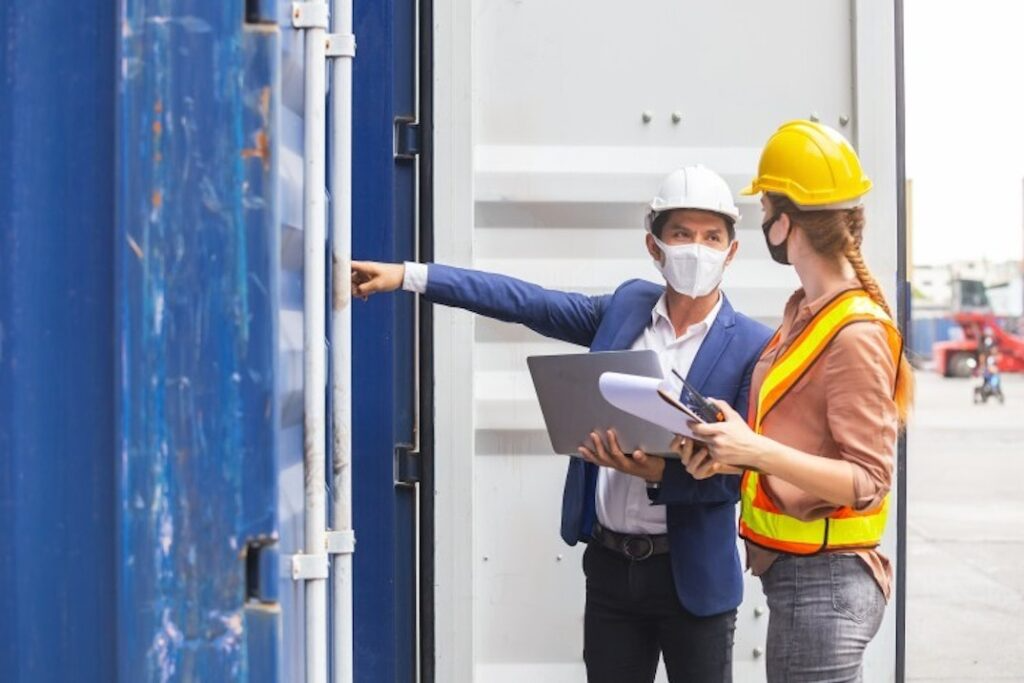
When it comes to construction sites, trenches are one of the most common yet dangerous workplace hazards. Every year, workers lose their lives or get seriously injured because of cave-ins, falling soil, or unsafe trench conditions. This is why trench safety is one of the most emphasized parts of occupational safety standards. Shielding methods are critical because they protect workers by holding back soil and preventing cave-ins.
Before diving into the different types of shielding methods, it’s worth noting that safety training programs like NEBOSH help raise awareness among workers and supervisors. Many people mistakenly think about NEBOSH Fee as an expense, but in reality, it’s an investment in saving lives. Understanding the risks of trenches, and learning how shielding works, is one of the smartest ways for construction companies to ensure safety while also protecting their workers’ future.
Why Shielding Matters in Trench Safety
Trenches may look simple, but the truth is that soil is unpredictable. Even if the ground looks stable, vibrations from heavy machinery, changes in weather, or water seepage can trigger sudden collapses. In fact, a single cubic meter of soil can weigh more than a car, making it nearly impossible for a trapped worker to survive without immediate rescue. Shielding systems act as a physical barrier between the soil and the workers, creating a safe space for them to perform their tasks without fear of being buried.
To understand shielding better, let’s explore the major methods used in the construction industry. Each method is designed to suit specific soil types, trench depth, and working conditions.
Types of Shielding Methods for Trenches
Hydraulic Shoring
This method uses hydraulic pistons or cylinders that can be pumped outward until they press against the trench walls. These are usually combined with steel or aluminum plates to distribute pressure evenly. The hydraulic system allows workers to adjust the pressure from above ground, which minimizes the risk of entering an unsafe trench during setup.
A project manager once shared that before introducing hydraulic shoring on their site, workers would often hesitate to step into trenches. After switching, confidence grew because the team knew the system was reliable and quick to install.
Trench Boxes (Trench Shields)
Trench boxes are one of the most commonly used shielding systems. These are large, rectangular steel or aluminum boxes placed inside the trench. Workers can safely perform their tasks within the box while the walls hold back the soil. The beauty of trench boxes is that they can be moved along the trench as work progresses.
Imagine a team installing pipelines—without trench boxes, every movement would be risky. With shielding in place, they can focus on their job instead of constantly worrying about the soil collapsing.
Slide Rail Systems
Slide rail systems are modular, making them perfect for deeper and longer trenches. They work by sliding rails into the ground and then inserting panels that lock into place. This system is excellent for projects requiring longer timeframes because it provides continuous protection as excavation progresses.
Contractors often use slide rails when dealing with complex utility installations. Though the setup takes some planning, the long-term safety benefits outweigh the initial effort.
Aluminum Shoring
Aluminum shoring is lightweight and easier to transport compared to steel. It’s ideal for smaller trenches or areas where machinery access is limited. Because of its lighter weight, crews can often set up aluminum shields quickly without needing heavy lifting equipment.
Many smaller contractors choose aluminum shoring because it balances affordability, portability, and safety.
Soldier Piles and Lagging
In this method, steel beams (soldier piles) are driven into the ground at intervals, and wooden boards (lagging) are placed horizontally between them to support trench walls. This method is common in urban areas where trench safety needs to be combined with supporting nearby structures or roadways.
This system may not be as fast as trench boxes, but it offers flexibility in situations where soil movement needs close monitoring.
Step-by-Step Guide to Choosing the Right Shielding Method
Step 1: Assess the Soil Type
Not all soil is the same. Some are stable, while others are loose and crumbly. Before deciding on a shielding method, a soil classification test should be done. This determines whether the soil is cohesive, granular, or layered.
Step 2: Measure Depth and Width of the Trench
Different shielding methods are designed for different depths. For example, trench boxes are excellent for medium-depth trenches, while slide rail systems work better for very deep or long trenches.
Step 3: Consider Project Duration
If the trench will be open for a few hours, a simpler system like aluminum shoring might be enough. However, if the project requires weeks or months of work, investing in a stronger system like slide rails is safer.
Step 4: Look at Available Equipment
Some methods require heavy lifting machinery for installation. Contractors must consider whether the right equipment is available or whether lighter options are more practical.
Step 5: Factor in Costs vs. Safety
While some may worry about expenses, investing in the right shielding system is always cheaper than dealing with accidents, lawsuits, or project delays. This is where training programs that explain workplace hazards prove their worth—helping companies see safety as a priority, not an optional extra.
Real-Life Example: A Lesson in Shielding
A construction company in South Asia once avoided using shielding because they believed the soil was “stable enough.” Within two hours of digging, the trench walls collapsed, burying two workers. Rescue efforts took hours, and sadly, one worker didn’t survive. After the accident, the company changed its policies and invested in trench boxes and training. The lesson was clear—shielding is not optional; it’s essential.
Stories like this underline why workplace safety should never be compromised. Shielding methods are not just about compliance; they’re about protecting lives.
Benefits of Investing in Trench Safety
- Reduces risk of fatalities and injuries
- Builds worker confidence on-site
- Prevents costly delays caused by accidents
- Protects company reputation and compliance record
- Encourages a culture of safety across teams
For companies weighing their options, it’s important to see safety systems as part of the project’s foundation. Much like how understanding NEBOSH programs is seen as valuable, choosing the right shielding method pays off in both the short and long term.
Read more about NEBOSH Fees to understand how safety training complements practical safety measures like shielding systems.
Final Thoughts on Trench Safety
Trenches are one of the riskiest environments on any construction site, but with the right shielding methods, risks can be controlled. From hydraulic shoring to trench boxes and slide rail systems, each method has its strengths. The key is to match the right system with the soil conditions, trench depth, and project requirements.
Workplace hazards are part of construction, but with proper planning and shielding, lives can be saved, and projects can move forward with confidence. Safety should never be seen as an added cost—it’s the backbone of every successful job.