Wisdom teeth extraction is one of the most common oral surgeries performed worldwide. While the procedure itself is typically straightforward, the recovery period can vary significantly from person to person. Proper care and attention during this time are crucial to ensure a smooth healing process and to avoid complications such as infections or dry socket. This comprehensive guide will walk you through everything you need to know about recovering properly after wisdom teeth removal, helping you get back to your daily routine as comfortably and quickly as possible.
Understanding Wisdom Teeth Extraction
Wisdom teeth, also known as third molars, usually emerge between the ages of 17 and 25. For many people, these teeth don’t have enough room to grow properly, leading to impaction, crowding, or infection. Dentists often recommend extraction to prevent future dental problems. In some cases, wisdom teeth may grow at odd angles or become trapped beneath the gums, which can lead to discomfort and complications if left untreated. It’s essential to have regular dental check-ups during this age range to monitor the development of these teeth and address any potential issues early on.
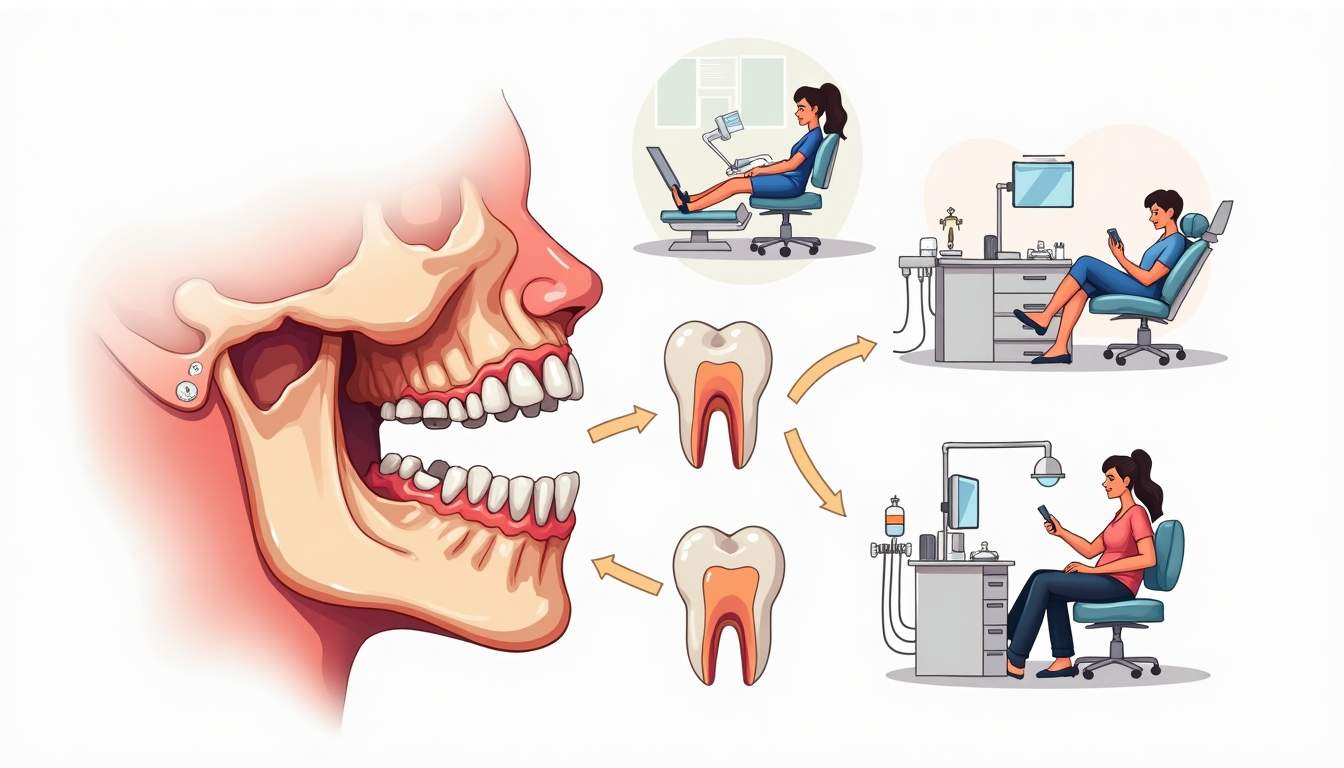
The extraction procedure can range from a simple removal of fully erupted teeth to a more complex surgery involving the cutting of gums and bone to remove impacted teeth. Regardless of the complexity, the recovery process shares many common elements. Patients may experience swelling, bruising, and discomfort in the days following the procedure. Understanding what to expect during recovery can help alleviate anxiety and ensure a smoother healing process. Additionally, many dental offices like Indental Castle Hill provide detailed aftercare instructions, which can include dietary recommendations and pain management strategies tailored to individual needs. For more guidance on your recovery journey, you can visit their clinic for expert advice and personalized care.
Why Is Recovery Important?
Healing after wisdom teeth extraction involves more than just waiting for the pain to subside. Proper recovery helps reduce the risk of complications such as:
- Dry socket: A painful condition where the blood clot protecting the extraction site is dislodged.
- Infection: Bacteria entering the wound can cause swelling, fever, and prolonged pain.
- Excessive bleeding: Poor clotting or trauma can lead to continuous bleeding.
Following your dentist’s instructions carefully can significantly minimize these risks and promote faster healing. It’s also advisable to stay hydrated and maintain a balanced diet, focusing on soft foods that are easy to chew and swallow. Foods like yogurt, applesauce, and smoothies can be both nutritious and gentle on the healing gums. Additionally, using ice packs on the cheeks can help reduce swelling and discomfort in the initial days post-surgery. Regularly rinsing with warm salt water can also aid in keeping the extraction site clean and promote healing, while avoiding straws and vigorous rinsing is crucial to prevent dislodging the blood clot.
Immediate Post-Surgery Care
The first 24 to 72 hours after surgery are critical for setting the tone of your recovery. During this time, your body begins the healing process, and the right care can make a big difference in how you feel and how quickly you heal. Being proactive about your recovery can help prevent complications and ensure a smoother transition back to your daily routine.
Managing Bleeding and Swelling
Right after surgery, some bleeding is normal. Your dentist will place gauze over the extraction site to help form a blood clot and control bleeding. It’s important to keep the gauze in place for the recommended amount of time, usually 30 to 45 minutes, and replace it as needed with fresh gauze if bleeding continues. If you notice excessive bleeding that doesn’t subside after several hours, it’s crucial to contact your dentist for further guidance.
Swelling is a natural inflammatory response and usually peaks around 48 hours post-surgery. To minimize swelling, apply an ice pack to the outside of your cheek for 15-20 minutes at a time, with 20-minute breaks in between. This helps constrict blood vessels and reduce inflammation. Additionally, some patients find that keeping their head elevated during this period can further assist in managing swelling. You might also consider taking a warm compress after the first 48 hours to promote blood flow and healing.
Pain Management
Pain after wisdom teeth extraction varies depending on the complexity of the surgery and individual pain tolerance. Over-the-counter pain relievers like ibuprofen or acetaminophen are often sufficient for mild to moderate discomfort. Your dentist may prescribe stronger pain medication if necessary. It’s essential to stay ahead of the pain by taking medication as directed; this can significantly enhance your comfort level during the recovery process.
It’s best to take pain medication as directed, ideally before the anesthesia wears off, to stay ahead of the pain. Avoid aspirin, as it can thin the blood and increase bleeding. In addition to medication, some patients find relief through natural remedies such as clove oil, which has analgesic properties. However, always consult with your dentist before trying any alternative treatments to ensure they are safe and appropriate for your situation.
Rest and Activity
Rest is essential during the initial recovery phase. Avoid strenuous activities and heavy lifting for at least 48 hours after surgery. Physical exertion can increase blood pressure and lead to more bleeding or swelling. Instead, focus on gentle activities that require minimal effort, such as watching movies or reading, to keep your mind occupied while your body heals.
Keep your head elevated, even while sleeping, to help reduce swelling. Using extra pillows to prop yourself up can make a significant difference. Additionally, staying hydrated is crucial during this time. Drinking plenty of fluids, preferably water, can help keep your body functioning optimally and support the healing process. However, be sure to avoid using straws, as the suction can dislodge the blood clot and lead to complications like dry socket.
Oral Hygiene and Diet During Recovery
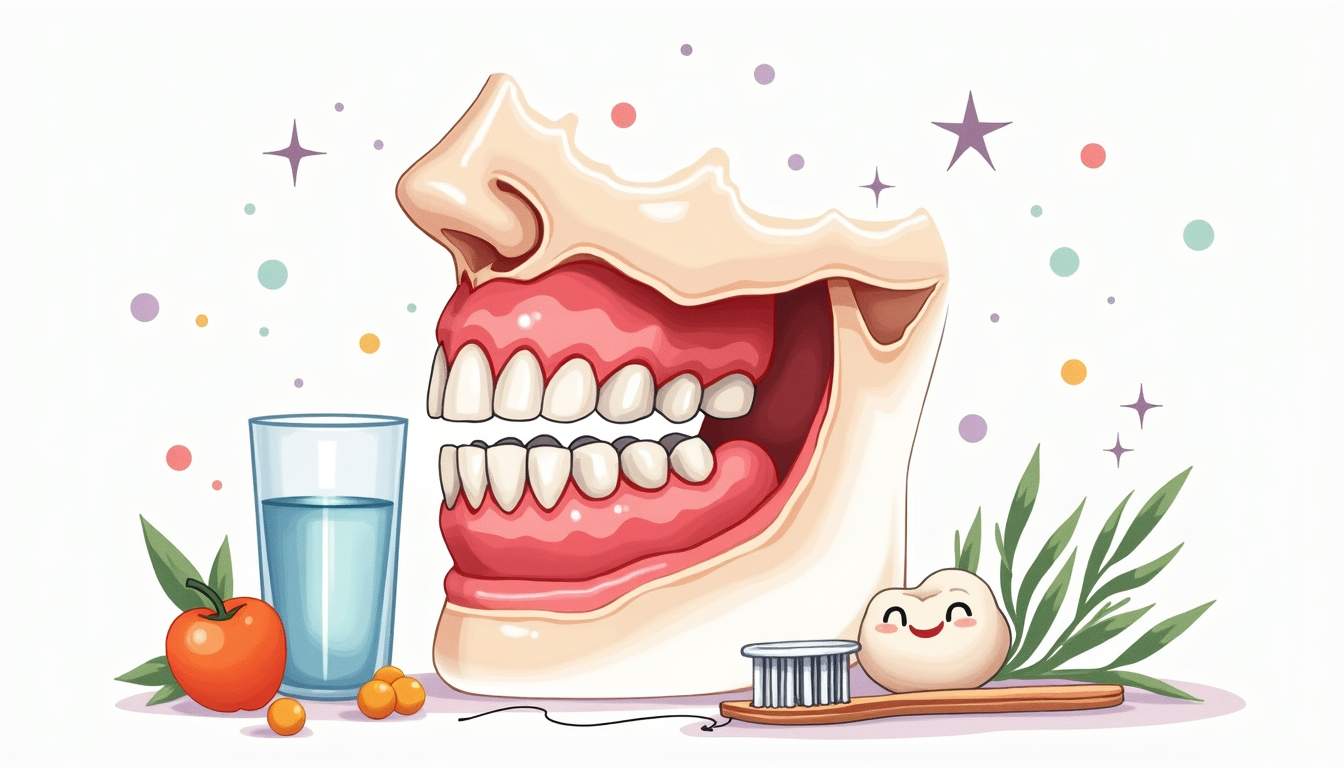
Maintaining good oral hygiene is crucial to prevent infection, but it must be done carefully to avoid disturbing the surgical site.
Cleaning Your Mouth Safely
For the first 24 hours, avoid rinsing your mouth or spitting forcefully, as this can dislodge the blood clot. After that, gently rinse with warm salt water (about 1/2 teaspoon of salt in 8 ounces of water) several times a day, especially after meals. This helps keep the area clean and promotes healing.
Brush your teeth gently, avoiding the extraction sites. Use a soft-bristled toothbrush and take care not to irritate the gums.
Dietary Recommendations
Eating the right foods can support your recovery and prevent irritation to the extraction sites. Stick to soft, cool, or room-temperature foods for the first few days. Some good options include:
- Yogurt
- Applesauce
- Mashed potatoes
- Scrambled eggs
- Broth-based soups (not too hot)
- Smoothies (avoid using a straw)
Avoid hot, spicy, crunchy, or chewy foods that can irritate the wound or get stuck in the socket. Also, steer clear of alcohol and tobacco, as they can delay healing and increase the risk of complications.
Recognizing and Managing Common Complications
While most people recover without issues, it’s important to recognize signs of complications and respond promptly.
Dry Socket
Dry socket occurs when the blood clot protecting the extraction site is lost or dissolves prematurely. This exposes the underlying bone and nerves, causing intense pain that usually starts a few days after surgery.
Symptoms include:
- Severe, throbbing pain radiating to the ear or jaw
- Bad breath or unpleasant taste in the mouth
- Visible bone in the socket
If dry socket is suspected, contact your dentist immediately. Treatment typically involves cleaning the socket and placing a medicated dressing to promote healing and relieve pain.
Infection
Signs of infection include increased swelling, redness, warmth around the extraction site, fever, and pus discharge. If you experience these symptoms, seek dental care promptly. Your dentist may prescribe antibiotics to control the infection.
Excessive Bleeding
Some bleeding is normal, but persistent or heavy bleeding requires attention. To manage bleeding, gently bite down on a clean piece of gauze or a damp tea bag for 30-45 minutes. If bleeding continues, contact your dentist or seek emergency care.
Tips for a Smooth and Speedy Recovery
Beyond the basics, there are several practical tips that can help you recover more comfortably and quickly after wisdom teeth extraction.

Stay Hydrated
Drinking plenty of fluids is essential for healing. Water is the best choice. Avoid carbonated beverages and anything with caffeine or alcohol during the initial recovery phase.
Avoid Smoking and Alcohol
Both smoking and alcohol consumption can interfere with healing by reducing blood flow and increasing the risk of infection and dry socket. It’s best to avoid these for at least a week after surgery.
Follow Your Dentist’s Instructions
Every patient’s situation is unique, so follow the specific advice and prescriptions given by your oral surgeon or dentist. Don’t hesitate to ask questions or report any unusual symptoms.
Use Ice and Heat Strategically
Continue using ice packs during the first 48 hours to reduce swelling. After that, warm compresses can help soothe muscle soreness and stiffness in the jaw.
Stay Positive and Patient
Recovery times vary, but most people feel significantly better within a week. Avoid rushing the process, and give your body the time it needs to heal fully.
When to Contact Your Dentist
While some discomfort and swelling are normal, certain symptoms warrant prompt professional attention. Contact your dentist if you experience:
- Severe or worsening pain not relieved by medication
- Excessive or prolonged bleeding
- Signs of infection such as fever, pus, or swelling spreading to the neck or face
- Difficulty breathing or swallowing
- Numbness or tingling that persists beyond a few days
Early intervention can prevent minor issues from becoming serious problems.
Conclusion
Recovering properly after wisdom teeth extraction is essential for a smooth healing process and to avoid complications. By understanding what to expect, following post-operative care instructions, and maintaining good oral hygiene and nutrition, most patients can look forward to a comfortable recovery.
Remember, each individual heals at their own pace, so be patient and attentive to your body’s signals. With the right care, you’ll be back to enjoying your favorite foods and activities in no time.