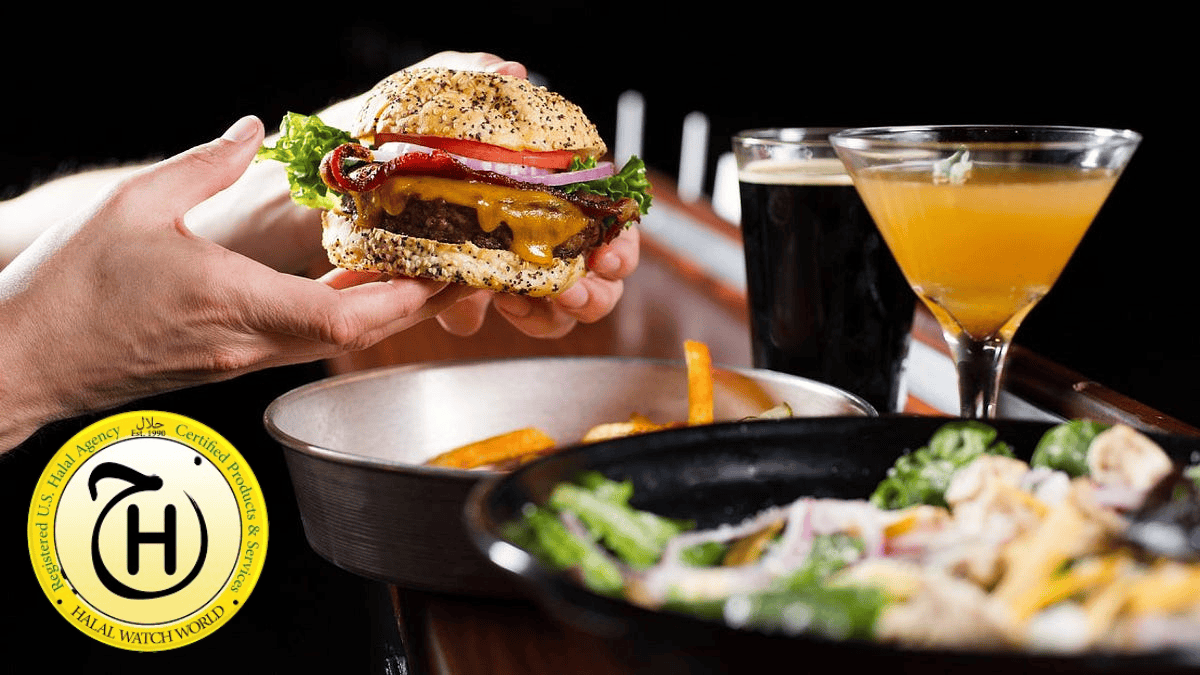
The demand for halal‑compliant products has moved far beyond traditional markets. In 2025, more than 2 billion consumers worldwide are actively seeking foods and drinks that meet strict religious standards, and the market value of halal‑certified items now exceeds $3 trillion. This surge is reshaping supply chains, prompting manufacturers, retailers, and food‑service operators to adopt formal verification processes that guarantee authenticity and safety.
Why Halal Certification Matters
Halal certification does more than satisfy religious observance; it signals rigorous quality control, traceability, and ethical sourcing. For brands, the seal of approval can open doors to new distribution channels, attract health‑conscious shoppers, and build trust in multicultural regions. In many countries, halal certification is also a legal requirement for certain product categories, making it an essential step for any business aiming for international growth.
Getting Started: halal food certification
The first milestone for any company is to obtain halal food certification. This process begins with a self‑assessment questionnaire that maps out every ingredient, supplier, and production step. After the questionnaire is submitted, an accredited audit team conducts an on‑site inspection, reviewing documentation, sampling raw materials, and observing the manufacturing line. Successful completion results in a certificate that can be displayed on packaging, marketing collateral, and e‑commerce listings, instantly communicating compliance to consumers.
Understanding halal food certification requirements
While the overall framework is consistent across certifying bodies, the specific halal food certification requirements often include:
- Ingredient verification – All raw materials must be sourced from halal‑approved suppliers, with clear documentation for each batch.
- Equipment segregation – Production lines that handle non‑halal items must be thoroughly cleaned or dedicated exclusively to halal products.
- Personnel training – Staff involved in handling, processing, or packaging must receive documented training on halal practices.
- Record‑keeping – Detailed logs of ingredient receipts, cleaning procedures, and batch releases are mandatory for audit trails.
Meeting these criteria not only satisfies religious standards but also enhances overall product safety and traceability.
Certification for Food Businesses (halal certification for food business)
Restaurants, catering firms, and large‑scale food processors face unique challenges such as cross‑contamination and rapid menu turnover. The halal certification for food business program addresses these issues by requiring regular internal audits, staff certification, and periodic third‑party inspections. By adhering to this specialized scheme, food‑service operators can assure diners that every dish served respects halal principles, fostering repeat business and positive word‑of‑mouth.
Expanding to Drinks (Halal Certification for Beverages)
The beverage sector has not been left behind. Consumers now expect their soft drinks, juices, and functional waters to carry the same level of assurance as solid foods. The Halal Certification for Beverages process mirrors food certification but places extra emphasis on water sources, flavor extracts, and any fermentation steps that could inadvertently produce alcohol. Brands that secure this certification can label their bottles and cans with a universally recognized halal symbol, instantly widening their market reach.
Product‑Level Beverage Approval (Halal beverage product certification)
For companies with diverse drink portfolios, a blanket certification may not be sufficient. The Halal beverage product certification option evaluates each flavor or formulation individually, ensuring that every variant meets halal standards. This granular approach is especially valuable for multi‑flavor lines where sweeteners, colorants, or botanical extracts differ from batch to batch. By obtaining product‑specific approval, manufacturers can avoid consumer confusion and maintain a consistent brand image across all offerings.
Soft‑Drink Specifics (halal soft drink Certificate)
Soft drinks present a unique set of compliance hurdles. Even trace amounts of alcohol can be generated during the extraction of natural flavors, and certain caramel colorings may contain non‑halal animal derivatives. The halal soft drink Certificate (spelled as it appears on many certification documents) requires laboratories to test for residual alcohol and verify the source of all additives. Once granted, the certificate allows producers to market their sodas, energy drinks, and flavored waters alongside mainstream brands without hesitation.
Building a Complete Drink Portfolio (halal beverages certification)
When a company aims to certify its entire range of liquid products, the comprehensive halal beverages certification program offers a streamlined solution. Under this umbrella, all beverages—whether carbonated, still, fortified, or dairy‑based—are evaluated under a single audit framework. The result is a unified halal seal that can be applied to every product label, simplifying marketing efforts and reducing administrative overhead.
Choosing the Right Certifier: The Role of Halal Watch Watch World
Selecting a reputable certification body is as critical as the audit itself. Halal Watch Watch World has built a reputation for impartial assessments, rapid turnaround times, and deep cultural expertise. Their auditors combine scientific testing with an understanding of Islamic jurisprudence, ensuring that every step—from ingredient sourcing to final packaging—aligns with halal doctrine. Partnering with a trusted organization like Halal Watch Watch World gives businesses confidence that their certification will be recognized and respected across global markets.
Benefits and Market Opportunities
- Access to New Markets: Halal certification opens doors to the Middle East, Southeast Asia, and growing Muslim populations in Europe and the Americas.
- Brand Differentiation: The halal seal distinguishes products in crowded shelves, appealing to both religious and health‑conscious shoppers.
- Supply‑Chain Transparency: The rigorous documentation required for certification improves overall traceability, reducing the risk of recalls.
- Regulatory Compliance: In many jurisdictions, halal certification is mandatory for certain product categories, preventing legal obstacles.
Conclusion
The momentum behind halal‑compliant foods and drinks shows no sign of slowing. From the foundational halal food certification that assures consumers of product integrity, to specialized recognitions for beverages, soft drinks, and entire drink portfolios, the certification ecosystem provides clear pathways for businesses eager to serve a global audience. By engaging with experienced auditors such as Halal Watch Watch World, adhering to the detailed halal food certification requirements, and pursuing both product‑level and comprehensive seals, brands can unlock new revenue streams, strengthen consumer trust, and contribute to a more inclusive food landscape where quality and faith go hand in hand.
Read more exciting blogs on geniusvision.world