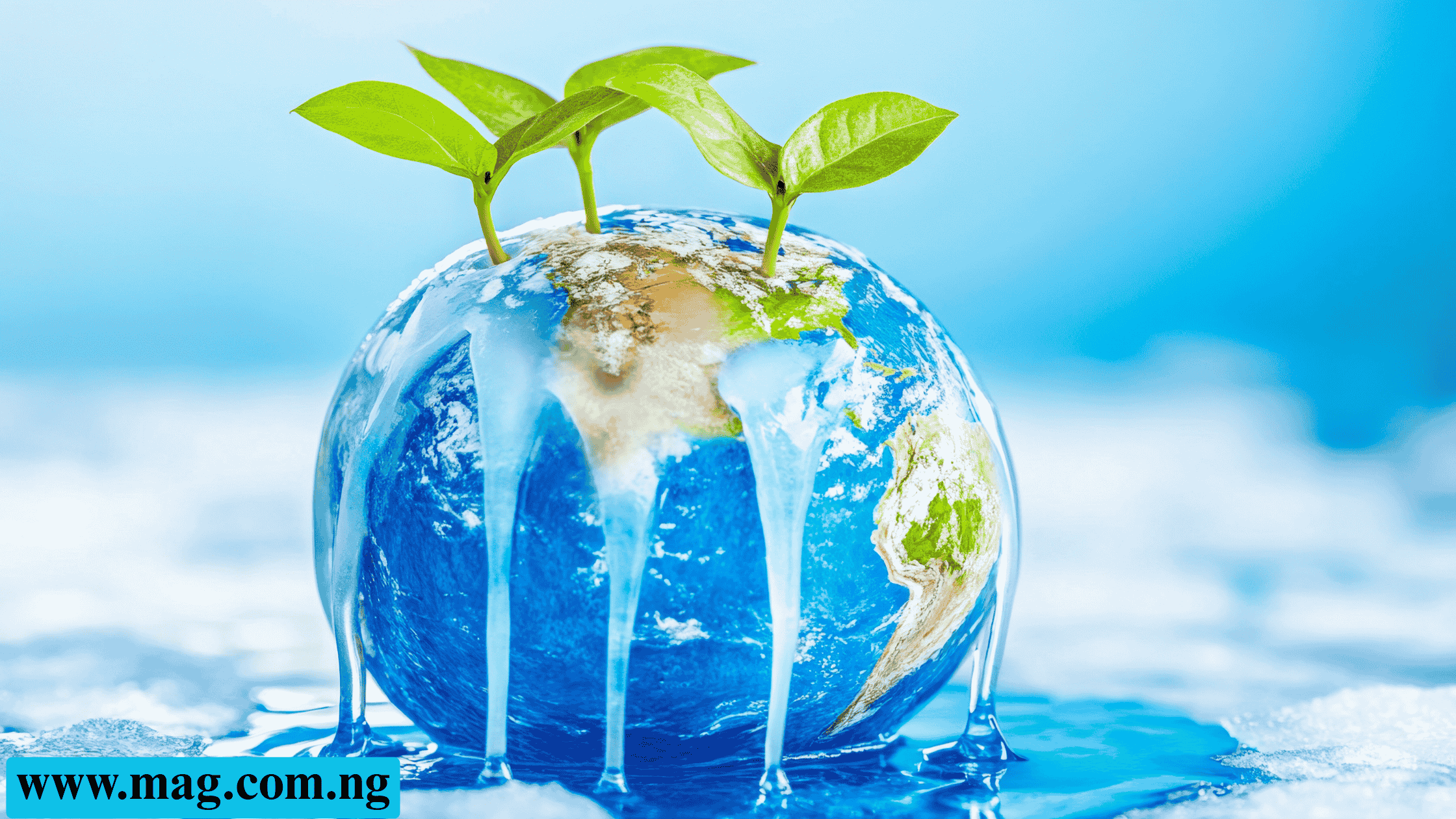
Water is so familiar that we often take it for granted. It covers most of Earth’s surface, fills our skies with clouds, and flows through our daily lives. Yet, when scientists trace its origins, water reveals a story that stretches back billions of years, long before humans, before Earth itself, and possibly even before the Sun was born. Understanding the true age of Earth’s water isn’t just a fascinating detail; it reshapes how we think about the formation of the solar system and our place within it.
A Surprising Timeline for Earth’s Water
For a long time, researchers believed that water formed alongside Earth. But modern evidence tells a different story. The hydrogen in our oceans carries a chemical fingerprint that matches ancient interstellar ice rather than something produced solely within the young solar system. This suggests that at least some of Earth’s water predates the Sun, preserved from the dark molecular clouds where stars are born.
If water is older than Earth itself, that means it has been traveling across cosmic time—surviving violent processes like star formation, planetary collisions, and the chaos of the early solar system. That realization forces us to reconsider how planetary systems develop and what conditions make them habitable.
Water as a Cosmic Traveler
Water molecules are surprisingly resilient. In the cold of interstellar space, they form as ice on dust grains, combining hydrogen and oxygen atoms. These ices can then be locked into comets, asteroids, or planetary building blocks called planetesimals.
When Earth was forming, countless impacts delivered water-rich material to its surface. Instead of being an isolated product of Earth’s geology, our oceans may be the end result of a cosmic relay race, with water handed down from one stage of star and planet formation to another.
Rethinking the Birth of the Solar System
The discovery that Earth’s water may be older than the Sun changes how we view the solar system’s birth. It suggests that planetary systems don’t start with a blank slate. Instead, they inherit chemistry from the larger galaxy, including water and organic compounds.
This inheritance model means Earth’s oceans were not a lucky accident but part of a broader cosmic process. The same ices and molecules that fed Earth may also be feeding other young planets orbiting distant stars. That makes the solar system just one example in a galaxy filled with potentially water-rich worlds.
Meteorites and the Evidence Within
Meteorites offer physical proof of this idea. Many contain water locked inside their minerals, along with organic molecules. Isotopic analysis of these meteorites reveals hydrogen ratios strikingly similar to Earth’s oceans, pointing to a shared origin in ancient interstellar ice.
By studying these space rocks, scientists can piece together the journey of water: from icy dust grains in space, to planetary building blocks, to the oceans that cover Earth today. The fact that these meteorites carry such a clear record underscores the deep connection between interstellar space and our everyday environment.
Water and the Search for Habitability
If Earth inherited its water from space, then other planets may have done the same. This changes how scientists think about habitability. Instead of being rare, water could be a common feature of planets across the galaxy.
This possibility drives the search for exoplanets in the habitable zone—the region around a star where liquid water could exist. The knowledge that water predates planetary systems makes the odds of finding habitable environments elsewhere much higher than once believed.
Water as a Universal Bridge
Water is not just important for Earth’s story—it’s a universal bridge between chemistry and biology. Without water, the complex chemical reactions needed for life would be far less likely. By realizing that Earth’s water is ancient and widespread in the cosmos, we’re also realizing that the basic requirements for life may be woven into the very fabric of planetary formation.
This changes our perspective from “Earth is special” to “Earth is one of many possible water worlds.” That shift has profound implications for how we approach the question of whether life exists beyond our planet.
Shaping Earth’s Unique Environment
While water may be universal, how it interacts with a planet determines the outcome. On Earth, water didn’t just sit in frozen deposits; it became oceans, rivers, clouds, and rain. It shaped landscapes, drove weather systems, and enabled ecosystems.
The age of Earth’s water tells us that our planet’s habitability depended not only on having water but also on having the right conditions to keep it liquid and circulating. This balance—between cosmic inheritance and planetary environment—is what makes Earth unique, at least from our current perspective.
The Cosmic Heritage of Every Drop
The next time you drink a glass of water, consider this: some of those molecules may have been drifting in space before the Sun ignited. They could have survived countless transformations, moving from interstellar dust grains to icy comets to Earth’s surface. In a way, every drop of water is a time capsule, carrying a piece of cosmic history billions of years old.
By acknowledging the true age of water, we see ourselves not as isolated beings on a single planet but as participants in a much larger story—one that began long before Earth was born.
Final Thoughts
The discovery that Earth’s water may be older than the Sun shifts our understanding of the solar system in profound ways. It tells us that planets are not built in isolation but inherit vital ingredients from the wider galaxy. It suggests that water—and possibly life—may be common across the universe. And it reminds us that our oceans are more than Earthly resources; they are ancient connections to the stars.
In the end, the age of Earth’s water isn’t just a scientific curiosity. It’s a reminder that our planet, our bodies, and even the glass of water on the table are part of a cosmic story billions of years in the making. And that realization changes how we see not only Earth but also our place in the universe.