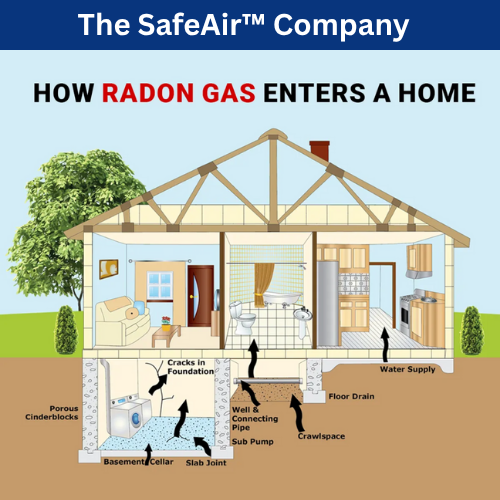
Los Angeles homeowners face numerous environmental challenges, from earthquakes to wildfires, but one often-overlooked threat lurks invisibly within homes across the sprawling metropolis. Radon gas, a naturally occurring radioactive element, can accumulate to dangerous levels in residential properties throughout LA County, making residential radon testing in Los Angeles a critical safety measure for protecting families. As the nation’s second-largest city continues to grow and evolve, understanding radon risks has become essential for responsible homeownership in America’s entertainment capital.
The Diverse Radon Landscape Across Los Angeles
Los Angeles County’s vast geographic diversity creates dramatically different radon risk profiles across its many neighborhoods and communities. From the coastal plains of Santa Monica and Venice to the mountainous terrain of the San Gabriel and Santa Monica ranges, geological conditions vary significantly and directly impact residential radon levels.
The Hollywood Hills, with their complex geological formations and hillside construction, present unique challenges for radon infiltration. Homes built into slopes or featuring basement levels face elevated risks due to increased soil contact and potential foundation vulnerabilities that facilitate gas entry.
Downtown LA’s high-rise condominiums and converted loft spaces may seem immune to ground-based radon concerns, but lower-level units and properties with underground parking structures can still experience elevated concentrations. The urban heat island effect and unique ventilation patterns in dense city environments can influence how radon behaves in residential buildings.
San Fernando Valley communities, including Sherman Oaks, Encino, and Woodland Hills, sit atop alluvial deposits that may contain radon-producing elements. The valley’s bowl-like topography and temperature inversion patterns can affect how radon disperses, potentially leading to higher indoor concentrations during certain weather conditions.
Home radon testing in Los Angeles becomes particularly crucial when considering the city’s diverse housing stock, from Spanish Colonial Revival homes in Los Feliz to mid-century modern houses in the Hollywood Hills and contemporary developments in areas like Playa Vista.
Understanding LA’s Unique Construction Challenges
Los Angeles’s building practices have evolved significantly over the past century, creating a complex mix of construction types that influence radon infiltration patterns. Many older homes, particularly those built before modern building codes, may have settling foundations, cracked slabs, or inadequate vapor barriers that create entry points for radon gas.
Post-war tract housing, common throughout areas like the Westside and parts of the San Fernando Valley, often features slab-on-grade construction that can facilitate direct soil-to-indoor air contact. These homes may lack the basement levels common in other regions, but ground-floor living spaces remain vulnerable to radon infiltration through foundation cracks and utility penetrations.
Luxury custom homes in areas like Bel Air, Beverly Hills, and Manhattan Beach often incorporate complex foundation systems, multiple levels, and sophisticated ventilation systems that require specialized assessment approaches. These properties may feature wine cellars, basement recreation areas, or multi-level designs that create unique radon accumulation patterns.
Earthquake retrofitting and foundation repairs, common throughout LA due to seismic activity requirements, can inadvertently create new radon entry points or alter existing infiltration patterns. Homeowners who have completed seismic upgrades should consider home radon testing in Los Angeles to ensure these improvements haven’t created new indoor air quality concerns.
When LA Homeowners Should Prioritize Radon Testing
Real estate transactions represent the most critical opportunity for radon assessment in Los Angeles’s competitive housing market. With median home prices exceeding national averages significantly, buyers deserve complete information about potential health risks before making substantial investments in LA properties.
The city’s fast-paced real estate market increasingly includes radon contingencies, particularly for homes in higher-risk geological areas or properties with known foundation issues. Sellers who provide current radon test results often experience smoother transactions and may avoid last-minute negotiation complications.
Home renovations trigger important testing considerations, especially projects affecting lower levels, foundations, or major structural elements. LA’s popularity for home additions, ADU (Accessory Dwelling Unit) construction, and whole-house remodels creates numerous opportunities where radon patterns might change significantly.
Seasonal factors play unique roles in LA’s Mediterranean climate. While the city doesn’t experience the extreme seasonal variations of other regions, winter months with reduced ventilation and increased heating system usage can reveal higher radon concentrations that remain hidden during warmer periods.
New residents relocating to Los Angeles from other regions should establish baseline radon levels in their homes. Different geological conditions, construction methods, and environmental factors may create exposure risks that weren’t present in previous locations, making initial testing essential for family safety.
Professional Testing Protocols for LA’s Diverse Housing
Certified professionals conducting home radon testing in Los Angeles must account for the city’s unique environmental conditions and diverse architectural styles. Testing protocols consider factors such as Mediterranean climate influences, seismic building requirements, and varied soil conditions across different neighborhoods.
Proper test placement becomes particularly important in LA’s multi-level homes and complex floor plans. Ground-floor areas, any below-grade spaces, and rooms with direct soil contact receive priority attention, while hillside properties may require specialized placement strategies that account for sloping terrain and varied foundation types.
Short-term testing (2-7 days) provides rapid results suitable for real estate transactions and initial screenings in LA’s fast-moving housing market. Long-term testing (90+ days) offers comprehensive data that accounts for seasonal variations and provides more accurate average concentration estimates for long-term residents.
Quality control measures ensure reliable results despite LA’s varied environmental conditions. Professional services use continuously monitoring equipment that accounts for the city’s temperature fluctuations, wind patterns, and other factors that might influence radon behavior in residential settings.
Chain of custody procedures and proper documentation provide legally defensible results that meet California regulatory standards and real estate transaction requirements common in LA’s sophisticated housing market.
Mitigation Solutions Designed for Southern California
When testing reveals elevated radon levels, Los Angeles homeowners benefit from mitigation solutions specifically designed for the region’s climate and construction characteristics. Active soil depressurization systems work particularly well in LA’s stable ground conditions and mild weather patterns.
These systems install exhaust fans and piping networks that create negative pressure beneath homes, preventing radon infiltration while operating efficiently year-round in Southern California’s favorable climate conditions. Energy costs remain minimal due to the region’s moderate temperatures and reduced extreme weather impacts.
Foundation sealing strategies address the cracks, gaps, and penetrations common in LA’s seismically active environment. Professional contractors familiar with local construction methods and earthquake-related building movement can implement comprehensive sealing programs that account for ongoing structural adjustments.
Ventilation enhancement takes advantage of LA’s generally favorable outdoor air quality and climate conditions. Natural ventilation improvements and mechanical systems can effectively reduce radon concentrations while maintaining comfortable indoor environments throughout most of the year.
Crawl space encapsulation, relevant for older homes with raised foundations, provides comprehensive moisture and radon control that addresses multiple indoor air quality concerns common in LA’s diverse housing stock.
Investment Protection in LA’s Premium Market
Residential radon testing in Los Angeles represents a modest investment compared to the city’s substantial property values and potential health costs. Professional testing typically costs $300-700 depending on home size and complexity, while mitigation systems generally range from $1,500-3,500 for most residential applications.
These investments provide significant returns through health protection, liability reduction, and property value preservation in one of the nation’s most expensive real estate markets. Homes with documented radon safety programs often attract sophisticated buyers and may command premium prices due to demonstrated environmental responsibility.
Insurance considerations increasingly favor properties with comprehensive environmental safety documentation. Some carriers offer discounts for homes with current radon testing and effective mitigation systems, while coverage limitations may apply to properties without proactive environmental management.
Property value protection extends beyond immediate health concerns to encompass long-term marketability in LA’s competitive housing environment. Sophisticated buyers, particularly those relocating from other regions with higher radon awareness, increasingly expect comprehensive environmental documentation as part of their property evaluation process.
Regulatory Landscape and Disclosure Requirements
California’s comprehensive real estate disclosure laws require sellers to reveal known material facts affecting property value or desirability. While residential radon testing isn’t universally mandated in Los Angeles, homeowners must disclose known radon issues once testing has been conducted.
Legal liability concerns make proactive testing and appropriate response essential for protecting homeowner interests in LA’s litigious environment. Professional documentation and proper remediation provide valuable legal protection while demonstrating good faith efforts to maintain safe properties.
Building codes continue evolving to address radon concerns in new construction throughout California. Los Angeles homeowners planning major renovations or additions should consult professionals familiar with current radon-resistant construction techniques and local building requirements.
Real estate professionals increasingly recommend radon testing as standard practice in LA transactions. Properties with current results and documented mitigation measures often experience reduced inspection complications and smoother closing processes.
Developing Comprehensive Home Safety Programs
Effective radon management integrates with broader home safety initiatives that LA homeowners typically maintain for earthquake preparedness, fire safety, and security concerns. Regular radon monitoring, typically every 2-5 years, ensures continued protection alongside other essential safety measures.
Family education about radon risks, sources, and appropriate responses builds awareness while supporting informed decision-making about ventilation practices, renovation projects, and other factors affecting indoor air quality in LA homes.
Professional consultation helps homeowners understand how radon safety integrates with other environmental concerns, including wildfire smoke infiltration, urban air quality issues, and allergen management that are particularly relevant in Los Angeles’s environment.
Emergency preparedness planning should include radon considerations, particularly for families with members who have respiratory conditions or other health vulnerabilities that might increase radon sensitivity.
Protecting Your Los Angeles Investment and Family
Home radon testing in Los Angeles represents essential protection for families and property investments in one of America’s most desirable residential markets. The relatively small cost of professional testing provides invaluable peace of mind while protecting substantial financial investments in LA real estate.
Don’t let this invisible threat compromise your family’s health or your property’s value in Los Angeles’s competitive market. Schedule comprehensive residential radon testing in Los Angeles today and join the growing number of informed LA homeowners who prioritize environmental safety alongside earthquake preparedness and other essential protective measures for their California dream homes.