As the real estate market gets more expensive, there are many ways to ensure that investors, homeowners, and developers maximise the use of land. One of the ways to do so is by building dual-occupancy homes. It’s one of the options that’s becoming more popular nowadays, especially for those who are planning to invest.
But before you get started with the planning process, you should first be aware of the different types of dual occupancy homes, so that you can easily plan everything. Besides, each type of dual occupancy home has its own specific characteristics that may not be applicable in all locations, so choosing which type to build on your property is a priority.
In this article, we’ll discuss the different types of dual occupancy homes.
What Is a Dual Occupancy Home?
Dual Occupancy homes are two dwellings built on a single block of land. Although they are completely different dwellings, people living in them can also have a common area, such as the yard, entrance, and other amenities.
Aside from having an additional dwelling in the property, dual occupancy homes can also be a long-term investment that can significantly help with a stable financial strategy. However, different types of dual occupancy homes can help you decide and plan what you want for your property.
Types of Dual Occupancy Homes
1. Attached Dual Occupancy
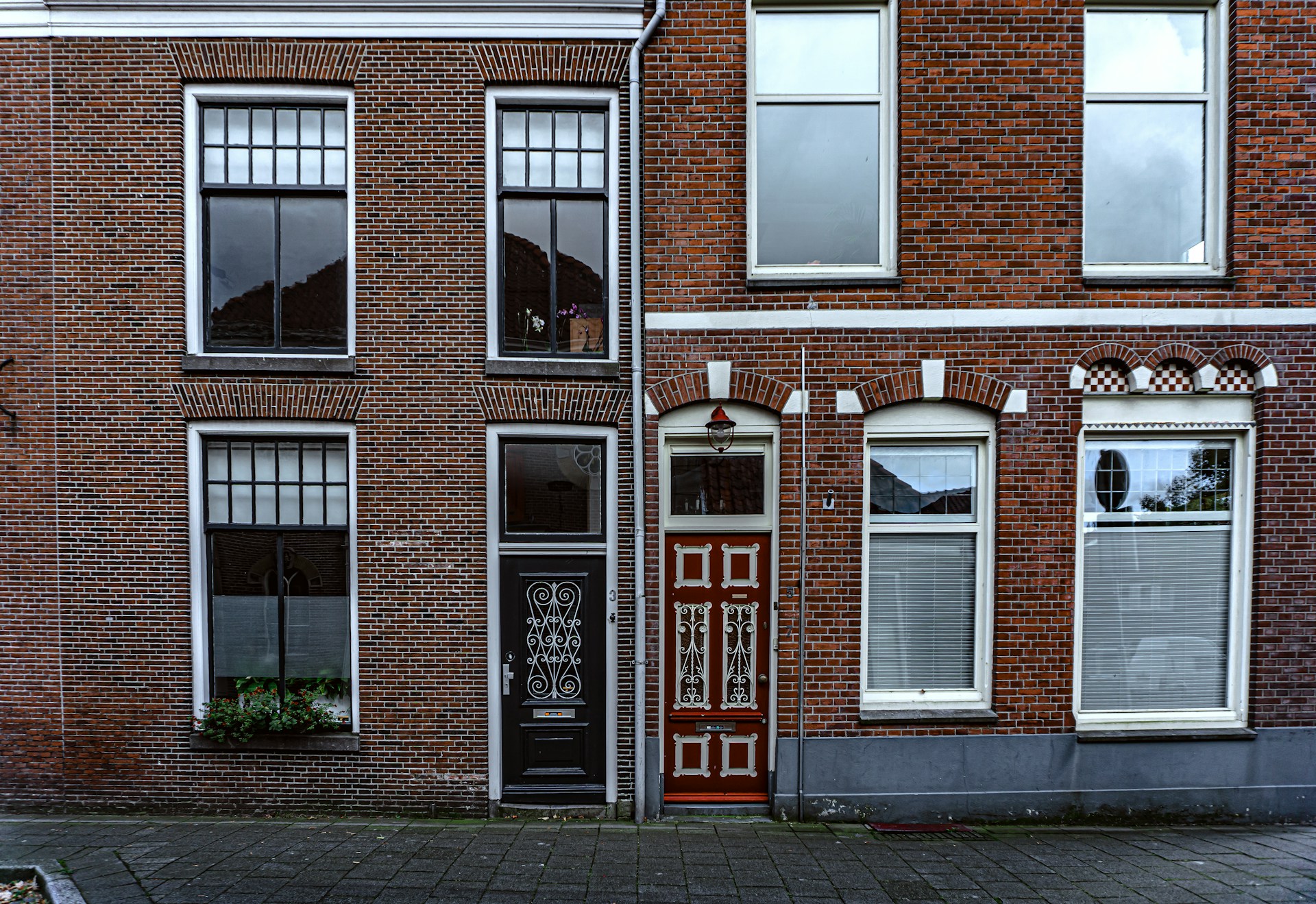
The most common type of dual-occupancy homes is the attached. It’s when two dwellings, under the same property, are separated by a single wall. However, each dwelling can function as a separate house.
When it comes to the attached dual occupancy homes, you may choose between side-by-side or back-to-back. Usually, this decision depends on the shape and size of the land, so don’t forget to consider it before deciding.
2. Detached Dual Occupancy
For the detached dual occupancy home, there are two separate dwellings built on the same property. It has more privacy compared to the attached one. However, this type of dual occupancy home requires a bigger lot size.
At the same time, compared to the attached dual occupancy home, a detached home requires more planning time since each house is a standalone. They can have a separate entrance, a space to the yard, and other amenities.

3. Vertical Dual Occupancy
As the name implies, one dwelling is built on top of the other. This type of dual occupancy home is the best option when the size of the lot is only enough for one dwelling and some extra space for a yard.
But although there’s limited space, each dwelling can fully function as an entire house. But similar to the attached home, vertical dual occupancy also has limited privacy, so some things can be considered, such as soundproofing.
4. Granny Flat
Granny flats, also known as secondary dwellings, are a standalone house, but smaller than the primary dwelling. Although it’s not as large as the primary one, it can still serve as a home. Typically, granny flats are constructed later than the main house. In addition, it serves as a housing for relatives, guests, and can also be rented out for small families or individuals.
So, if you don’t want to build another dwelling, but you don’t want it to be as big as the primary dwelling, you may opt to build a granny flat on your property.
Benefits of Dual Occupancy Homes
1. Potential Income Generator
No matter what type of dual occupancy home you have in your property, you can either live in one of them and rent the other, or rent both of them. In doing so, it can be a potential income generator. At the same time, if you decide to sell in the future, you can sell two houses instead of one to maximise the return on investment.
2. Family Flexibility
Another benefit of owning dual occupancy homes is that they can serve as housing for ageing parents, extended family, and adult children. This can also provide independence and privacy even when you and your family are living close to each other.
Besides, having a family member living close to you can be a great opportunity to provide support to each other.

3. Maximised Land Use
If you have a lot of available space in a property, it can be easier to maintain. However, the downside is that you won’t be able to maximise the use of the land. On the other hand, building two dwellings or dual occupancy homes in a single property allows you to maximise the space, which can be beneficial in the moment and in the future.
4. Increased Property Value
As the value of land continues to rise, you can also contribute to the increase in the property value by adding two dwellings to a single land. Although there’s a need to maintain both houses, you can earn the benefits in the future, once you’re ready to sell the property.
Final Thought
Dual occupancy homes offer a lot of benefits, especially when it comes to finances and additional space for family members and tenants. However, when you decide that you want to build a dual occupancy home on your property, you should first understand the different types to choose from to make the right decision.