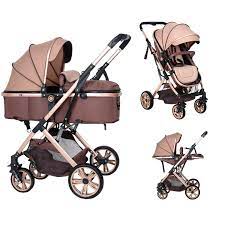
Every parent wants their child to ride safely and comfortably. But what happens when sidewalks get rough, paths turn rocky, or curbs make the stroller bounce more than you’d like? It’s a common worry: is a bumpy ride in a baby stroller actually harmful, or is it just an annoyance? Let’s walk through what you need to know.
Babies and Motion: What’s Normal?
Babies are used to motion. Think about it — they spent nine months moving with every step their mother took. Gentle rocking and rolling often soothe them. That’s why many newborns calm down in a stroller for baby or even fall asleep while you’re walking. A little jiggle isn’t dangerous.
The concern starts when the ride feels rougher than it should. Constant jarring on uneven ground can affect comfort and, in rare cases, safety. That’s why parents wonder if certain stroller choices matter more than others.
The Role of Stroller Design
Not all strollers handle bumps equally. Some budget models have smaller wheels and minimal suspension, which makes every crack in the pavement noticeable. On the other hand, premium designs like a nuna baby stroller or a vista baby stroller are built with shock absorption and larger wheels to handle uneven terrain better.
This is one of the main reasons parents choose carefully when buying. If your regular routes include gravel paths, parks, or cobblestone streets, investing in a sturdier design could make a big difference.
Check out options in the Baby stroller category that are made for both city sidewalks and rougher trails.
When Can Baby Sit in Stroller Upright?
Another factor is your child’s age. Wondering when can baby sit in stroller safely? Usually, it’s around 4 to 6 months when they have stronger head and neck control. Until then, a fully reclined seat or bassinet is safer on uneven surfaces because it spreads out the impact and keeps them supported.
Risks of Too Many Bumps
A single bumpy ride isn’t usually a problem. But repeated jostling can cause:
-
Discomfort that leads to fussiness
-
Interrupted naps or restless sleep
-
Extra strain on the baby’s head and neck if they’re still developing control
These aren’t major medical risks in most cases, but they do affect your child’s overall comfort. If your stroller rattles constantly, it might be worth looking into a sturdier option.
How to Smooth Out the Ride
Even if your stroller isn’t top-of-the-line, there are practical things you can do:
-
Stick to smoother paths when possible
-
Slow down over curbs or uneven ground
-
Make sure wheels are locked in the right setting for the surface
-
Use padding sparingly (but don’t overstuff with blankets or pillows, which can be unsafe)
These small changes make a noticeable difference during daily strolls.
Comparing Popular Models
Parents often weigh between standard models and high-end options. A vista baby stroller, for instance, offers a balance between everyday use and long-term durability. A nuna baby stroller, on the other hand, tends to focus heavily on comfort and smooth suspension. While both can handle rougher rides, your choice may depend on budget and how often you’re navigating uneven ground.
Watch Your Baby’s Signals
Babies can’t say, “Hey, that was bumpy,” but they do communicate discomfort. If your little one stiffens up, cries more than usual, or struggles to nap in the stroller, it might be a sign the ride feels too rough. Listening to these cues is often more helpful than focusing only on the stroller itself.
Long-Term Use of a Baby Stroller
As kids grow, their tolerance for bumps changes. Older toddlers enjoy the view and can handle more motion without discomfort. By then, many parents switch to lightweight strollers for baby that are easier to manage but still stable. The key is matching the stroller’s design to your child’s age and your environment.
Explore more choices, from sturdy travel systems to compact models, in the Baby stroller section.
Final Thoughts
So, is a bumpy ride in a baby stroller dangerous? Not usually, but comfort and support matter a lot. The real risk isn’t one or two jolts, but constant bouncing that leaves your baby uncomfortable or unsupported. Choosing the right stroller for baby, paying attention to milestones like when can baby sit in stroller upright, and adjusting how you walk over rough ground all add up to safer, smoother rides.