High energy bills have become a growing frustration for many families in London. You may notice that no matter how much you try to cut back on heating, the costs keep rising, especially during winter. The real problem often isn’t how much energy you use, but how much of it is wasted due to poor insulation.
London homes lose a significant amount of heat just because they are not properly insulated. By improving insulation, you can take control of your bills, enjoy a warmer home, and stop wasting money every month. Let’s explore what you should focus on to improve insulation.
Effective Strategies to Reduce Energy Bills by Improving Insulation
Invest in Wall Insulation
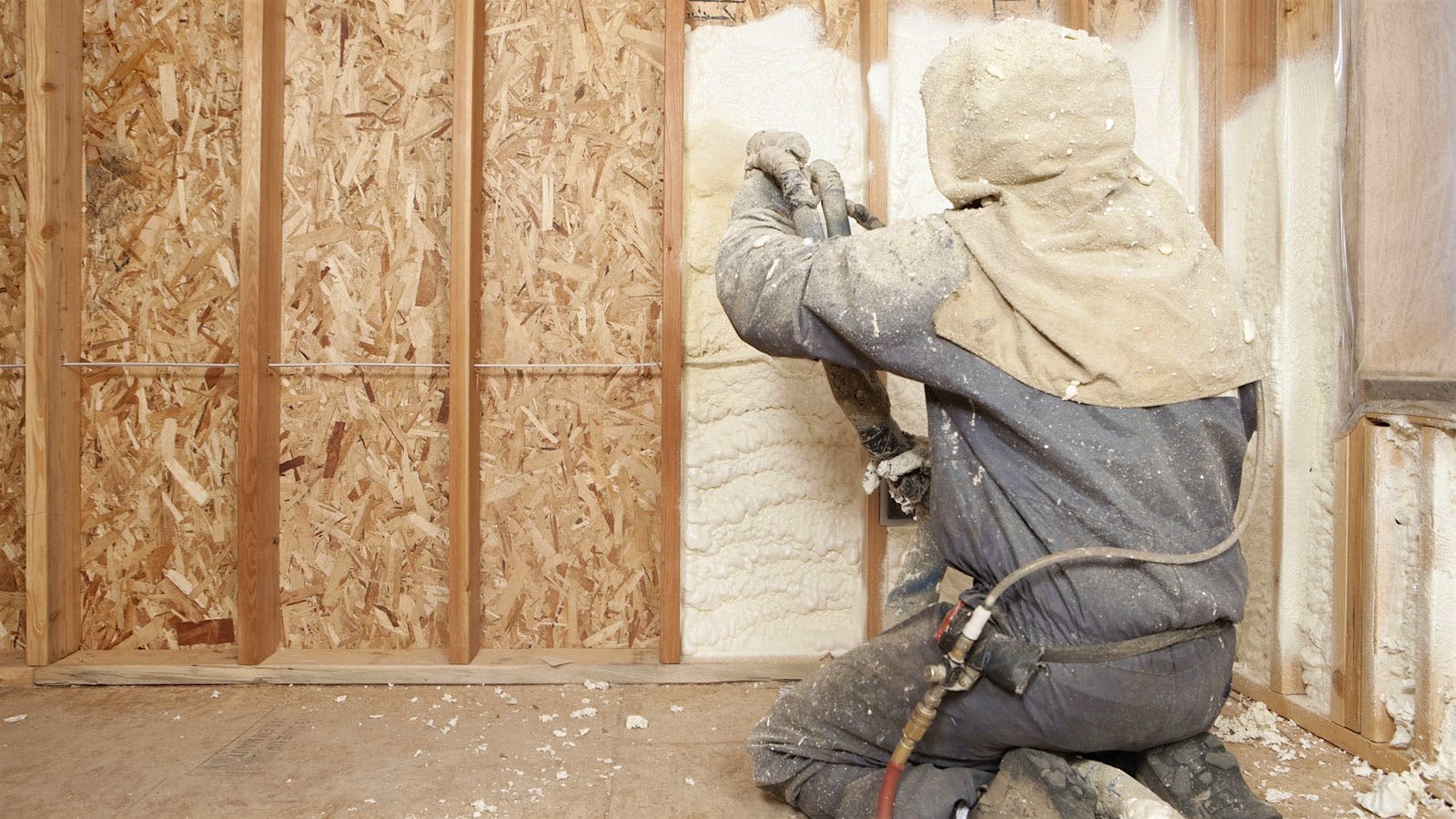
Walls are one of the main areas where heat is lost. Without proper insulation, your walls can let out more than a third of your heating. By adding cavity wall insulation or solid wall insulation, you create a barrier that keeps the warmth inside. This means your heating system doesn’t need to work hard, which helps you save money every month.
The initial cost may feel high. However, wall insulation in London leads to long-term savings on energy bills, which makes it a wise investment. Moreover, it adds value to your home if you plan to sell in the future.
Improve Loft and Roof Insulation
Without good insulation in the loft or roof, heat can quickly escape. You should add or upgrade loft insulation to trap warmth inside your home, which makes it more comfortable during cold London winters. You can choose from different materials, such as rolls of mineral wool, blown-in insulation, or rigid boards, depending on your budget and roof type.
This small upgrade significantly reduces heating bills. Proper roof insulation also helps in the summer by keeping your home cooler. It means you save money on energy throughout the year instead of just in colder months.
Upgrade Floor Insulation
Floors are often ignored when it comes to insulation. However, they are another area where heat can escape. By adding insulation under suspended wooden floors or using insulating materials for concrete floors, you can prevent unnecessary heat loss.
It is particularly useful in older London homes because they often suffer from uneven or poorly sealed flooring. It not only keeps your home warm but also reduces the workload of your heating system.
Seal Windows and Doors
Even with insulated walls and roofs, your energy bills won’t reduce if windows and doors allow heat to escape. Draughts from poorly sealed areas can waste a large amount of energy. Double or triple glazing helps trap heat inside while reducing outside noise, which is an added benefit for busy areas in London.
If replacing windows is expensive, you can use draught-proofing strips, seals, or thermal curtains as cost-friendly solutions. These small chances stop heat loss and add up to significant energy savings over time, which makes your home more energy-efficient and comfortable.
Install Pipe and Tank Insulation
Hot water pipes and tanks can lose a lot of heat if they are not insulated. By covering them with proper insulation, you reduce the amount of energy needed to heat your water. It keeps your water hotter for longer, so your boiler does not have to work continuously.
Pipe insulation is affordable and easy to install. However, it makes a noticeable difference to your energy bills. In London, where energy prices can be unpredictable, these small, simple steps can help you save a considerable amount in the long run.
Use Insulated Access Points
Many homeowners in London focus only on walls and roofs and completely ignore the importance of insulated doors. Make sure you don’t make this mistake because thin or old doors allow a lot of heat to escape. Replacing them with insulated doors or adding draught excluders can help you a lot in improving the energy efficiency of your home.
When doing so, you should not ignore loft hatches or basement doors, as they also play a role in energy loss. Stronger insulation in these areas can help the heating system work more efficiently. It’s a simple upgrade that helps cut down on wasted energy and ensures long-term comfort.
Consider Dry Lining
Dry lining in London is a smart method to insulate your home. It involves fixing plasterboard to the inside of walls, which can provide extra insulation. It is beneficial for older properties with solid walls that don’t have cavities for insulation. By using insulated plasterboards or adding a layer behind them, you can improve your home’s energy efficiency.
Dry lining not only keeps your home warmer but also gives walls a smooth finish. It’s a cost-effective way to improve insulation without major construction work. The savings on heating bills make it a smart option for many homeowners.
The aforementioned strategies can help you reduce your energy bills. Make sure you hire reliable professionals to handle wall insulation, dry lining, and other insulation tasks.