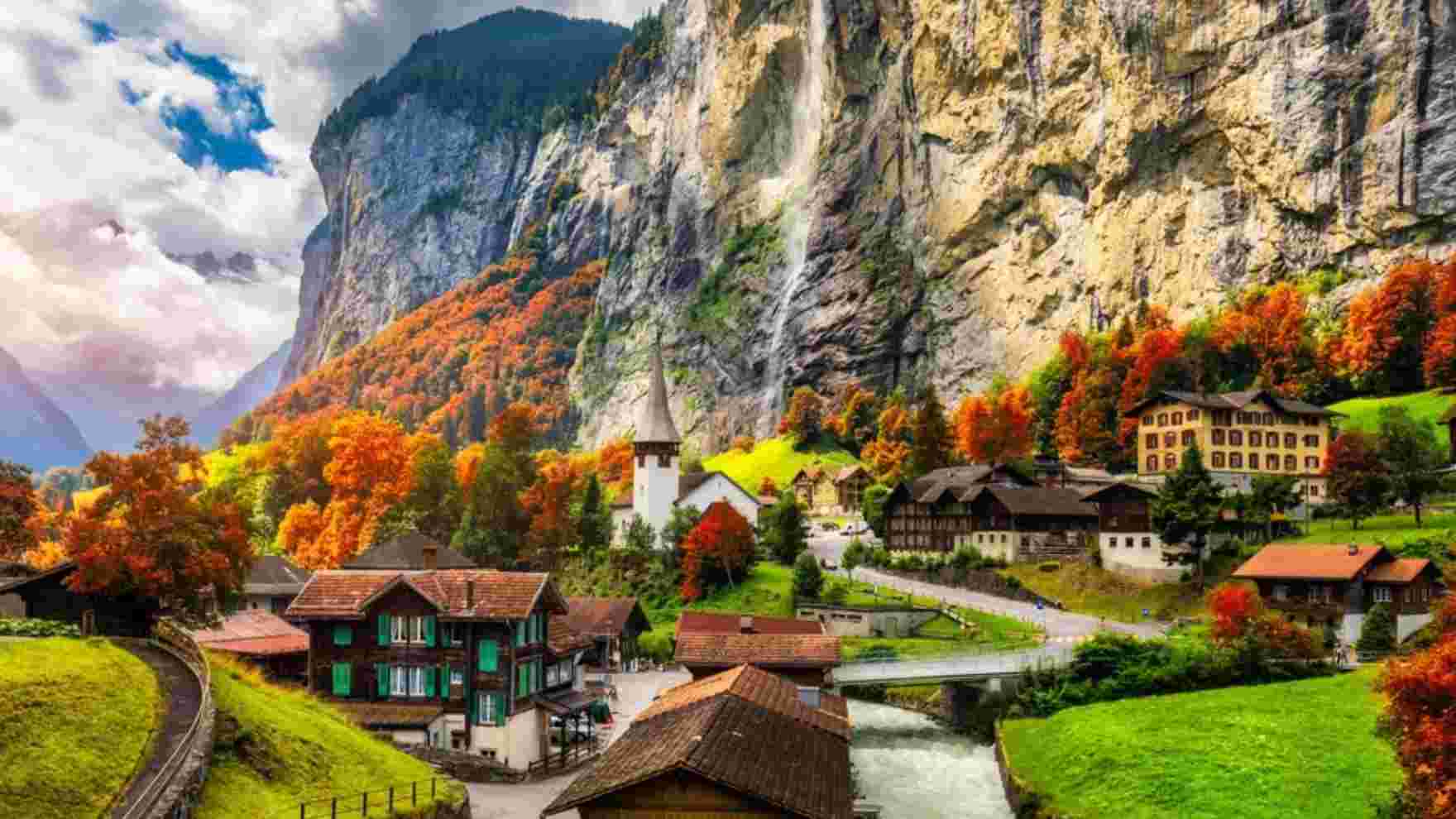
There’s a moment that every traveler to Switzerland remembers — the first time they realize this country speaks not one, but many languages. I had mine on a train from Zurich to Geneva. As the train glided past green valleys and snow-tipped mountains, the announcements changed seamlessly from German to French. Later, when I reached Ticino, I was greeted with a cheerful “Buongiorno!” — and it suddenly felt like Italy.
That’s the magic of Switzerland. It’s not just a country; it’s a conversation between cultures. Understanding what language is spoken in Switzerland is like uncovering the rhythm of the nation — a melody made up of German, French, Italian, and Romansh.
A Tapestry of Four Voices
Switzerland officially recognizes four national languages, each one deeply rooted in a specific region and history:
-
German (Swiss German) – Spoken by around 62% of the population, mainly in the north and center. But don’t expect standard German; Schweizerdeutsch is full of regional dialects that even Germans find charmingly confusing.
-
French – Used in the west, in cities like Geneva, Lausanne, and Neuchâtel. The French-speaking Swiss bring a touch of elegance and calm, reflecting the nation’s diplomatic heart.
-
Italian – Spoken in the southern canton of Ticino, where life feels warmer, and every espresso comes with a smile.
-
Romansh – The rarest gem, spoken by less than 1% of the population in Graubünden’s mountain valleys.
These languages aren’t just tools of communication — they’re expressions of regional pride and cultural depth. Together, they form the backbone of Swiss identity. You can explore each language’s story and region-specific charm in this detailed Swiss language guide.
Language and Lifestyle Go Hand in Hand
Every Swiss region has its own tempo. In Zurich, where Swiss-German dominates, people walk with purpose, and punctuality feels sacred. Move west to Geneva, and life softens; conversations linger, and lunches stretch longer. In Ticino, the Italian spirit takes over — people talk with their hands, and the air feels lighter.
These contrasts are not divides but beautiful variations of the same song. They prove how language shapes not only what people say, but how they live.
The Swiss have embraced this diversity as a strength. Even government communication, education, and national television are multilingual. It’s not uncommon to see official documents printed in multiple languages or watch newscasts switching seamlessly from German to French.
This unity through language is one reason why Switzerland remains one of the world’s most balanced and peaceful nations.
Do Swiss People Speak English?
A question many travelers ask: “Do Swiss people speak English?” The short answer — yes, and quite well.
English is the fifth unofficial language of Switzerland. You’ll hear it in universities, global companies, and tourist hotspots. Yet, while English makes communication easy, learning a few local words always makes interactions more meaningful. A simple “Merci” in Lausanne or “Danke” in Zurich often earns an extra smile.
Still, to truly connect, it helps to know Languages spoken in Switzerland. It’s not just a linguistic curiosity — it’s a bridge to the country’s soul.
How Multilingualism Builds Swiss Unity
Switzerland’s geography and politics encourage harmony. With 26 cantons spread across linguistic borders, communication is a matter of national pride. Every Swiss child learns a second national language early in school. The result? A society where mutual respect is as natural as breathing.
Language here is not about dominance but dialogue. Instead of asking, “Which language is most important?” the Swiss ask, “How do we make sure everyone is heard?”
This attitude also influences how Switzerland approaches sustainability. The Swiss believe that just as languages must coexist, so must people and nature. That balance — between environment, culture, and communication — is at the heart of initiatives like Swiss Sustain, which promotes eco-friendly living and cultural respect.
Language Reflected in Food and Culture
You can taste the language divide on your plate. In Zurich, German-speaking regions prefer hearty dishes like Rösti and Bratwurst. Cross into French-speaking areas, and you’ll find fondue, crêpes, and tarte flambée. Down in Ticino, pasta and espresso dominate every menu.
Even Switzerland’s art and music reflect this diversity. Festivals across cantons feature songs and poetry in multiple languages, proving how seamlessly traditions blend.
So, when someone asks about the Swiss language, the correct answer isn’t one — it’s four, each with a story that flavors the culture.
Traveling Through Languages
One of the most fascinating travel experiences in Europe is moving through Switzerland’s linguistic regions. Within a few hours, you can go from hearing “Grüezi” in Zurich to “Salut” in Lausanne to “Ciao” in Lugano.
This seamless transition between languages mirrors how naturally the Swiss move between worlds. The signage changes, but the hospitality doesn’t. Whether you’re in a mountain chalet or a lakeside café, you’ll feel welcome — because kindness is a universal Swiss language.
Travelers who learn even a few regional phrases often find their experiences richer and more personal. Understanding local language customs adds depth to every conversation and makes your journey unforgettable.
To prepare, you can explore how regional languages influence travel, daily communication, and even Swiss values in this in-depth article.
The Soul of a Multilingual Nation
Perhaps what makes Switzerland most remarkable is how its languages coexist without competition. Each region takes pride in its tongue but respects the others equally. It’s a living model of balance — something the world could learn from.
In the highlands of Graubünden, Romansh-speaking families still teach their children ancient words that survived centuries. In Geneva, French-speaking diplomats discuss global peace, while Zurich’s entrepreneurs innovate in Swiss German.
Different voices. One heart.
Final Thoughts: Listening to Switzerland
Switzerland teaches an invaluable lesson — that harmony doesn’t mean sameness. The secret to its strength lies in embracing differences with respect.
So the next time you stroll along Lake Geneva or hike through the Alps, listen closely. You’ll hear the country speaking — sometimes in German, sometimes French, sometimes Italian — but always in the same voice of unity.
To truly understand this beauty, take a deeper look into what language is spoken in Switzerland and how it reflects the nation’s culture, balance, and sustainability. And if you love exploring thoughtful insights into Swiss life, visit Swiss Sustain — your gateway to sustainable travel and local wisdom.