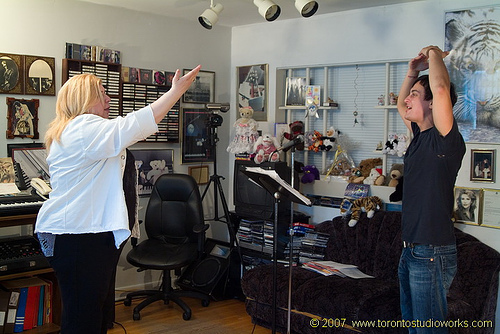
Muscle Tension Dysphonia (MTD) is a voice disorder that affects many individuals who rely on their voice professionally or personally. It occurs when excessive muscle tension interferes with the normal function of the vocal cords, leading to strained, weak, or hoarse voice quality. While conventional treatments such as speech therapy and medication can be helpful, an increasing number of people are seeking Muscle Tension Dysphonia support with alternative techniques that go beyond traditional methods. At Vocal Science, individuals can explore innovative voice restoration and rehabilitation approaches that provide sustainable and holistic recovery from MTD.
Understanding Muscle Tension Dysphonia
MTD is not caused by structural damage but rather by the misuse or overuse of the vocal muscles. This condition often develops due to stress, poor vocal habits, excessive speaking, or even emotional strain. Common symptoms include vocal fatigue, throat discomfort, difficulty projecting the voice, or sudden voice loss. Because the problem lies in muscular tension rather than physical injury, addressing it requires not only vocal exercises but also techniques that target the body-mind connection.
Why Traditional Treatment May Not Be Enough
Many individuals with Muscle Tension Dysphonia go through months—or even years—of traditional speech therapy, only to see limited improvement. This is because most traditional methods focus on the surface level—strengthening vocal muscles and modifying vocal behavior—without addressing deeper physical and psychological factors. Over time, muscle memory reinforces harmful speaking habits, making it difficult to sustain a healthy vocal pattern.
That’s where alternative techniques step in, offering a more integrated and personalized path to vocal recovery.
The Power of Alternative Voice Therapy
At Vocal Science, alternative approaches are designed to retrain the voice by aligning the body, mind, and emotions. This method goes far beyond vocal exercises—it reprograms the way the body produces sound. By using specialized techniques that incorporate posture correction, breathing coordination, and mental relaxation, individuals learn to use their voice more efficiently and naturally.
The Vocal Science™ Method, developed by Diana Yampolsky, takes an innovative approach to healing MTD. It combines physical voice placement with holistic wellness strategies, ensuring that every participant experiences real, lasting improvement. Many clients share their inspiring transformations in the Post-Course Letters section of the website, where they describe how this method helped them regain their voice and confidence.
Key Alternative Techniques for Muscle Tension Dysphonia
- Vocal Placement and Projection Training
Instead of forcing the voice from the throat, this technique teaches individuals how to project their sound from the “facial mask” area (nose, cheeks, and head). This reduces pressure on the vocal cords and eliminates strain, allowing for clearer and more powerful sound production. - Breathing Re-education
Proper breathing is the foundation of a healthy voice. Many people with MTD unconsciously hold their breath or use shallow breathing, which increases tension in the neck and shoulders. Through guided breathing techniques, individuals learn how to support their voice using the diaphragm, promoting relaxation and reducing tension. - Postural Alignment and Body Awareness
The posture directly influences how air flows through the body and how the vocal cords vibrate. Correcting posture and improving body alignment help balance muscle coordination, allowing for smoother vocal function. - Mind-Body Integration
Emotional and psychological stress often manifest physically in the throat area. Techniques like guided relaxation, visualization, and mental grounding are used to calm the nervous system. This helps break the cycle of tension and allows the voice to recover naturally. - Customized Vocal Reprogramming
Each person’s voice is unique, which is why a one-size-fits-all approach doesn’t work. The Vocal Science program offers customized vocal exercises tailored to the individual’s speaking or singing style, ensuring that every session targets specific areas of tension and weakness.
Real-Life Success Stories
The success stories featured in the Post-Course Letters section demonstrate how powerful these alternative methods can be. Participants from all over the world share how they overcame years of vocal struggles, performance anxiety, and chronic tension through the Vocal Science approach. From singers who regained their stage presence to professionals who restored their speaking voices, the results speak for themselves.
The Holistic Approach to Healing
Healing Muscle Tension Dysphonia isn’t just about fixing the voice—it’s about restoring the person behind it. The holistic techniques used at Vocal Science treat the individual as a whole, addressing physical, emotional, and psychological components of vocal production. This comprehensive method empowers clients to rediscover their natural sound, regain self-confidence, and maintain long-term vocal health.
Why Choose Alternative Techniques?
- Non-invasive and natural: No medication or surgery is required.
- Addresses root causes: Focuses on posture, breathing, and emotional balance.
- Fast and sustainable results: Many participants experience significant improvement after only a few sessions.
- Personalized care: Every program is tailored to individual vocal needs and goals.
Final Thoughts
If you’ve been struggling with Muscle Tension Dysphonia and feel stuck with limited results from conventional therapy, it may be time to explore alternative techniques that truly work. The Vocal Science™ Method offers a scientifically informed yet holistic approach that redefines how the human voice functions and heals.
Visit Vocal Science’s Post-Course Letters to read inspiring testimonials and discover how others have successfully regained their voice through this revolutionary method. With the right guidance and holistic support, your vocal recovery is not just possible—it’s within reach.