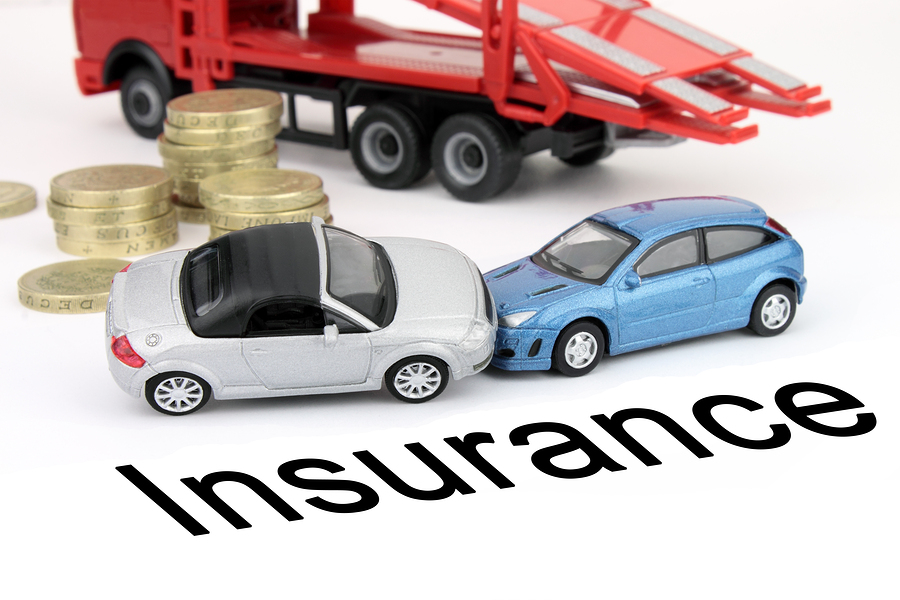
Auto insurance is more than just a legal requirement — it’s your financial safety net on the road. Whether you’re commuting to work, embarking on a weekend road trip, or simply running errands, having the right coverage ensures that one unexpected moment doesn’t turn into a financial nightmare.
Yet, for many drivers, the topic of auto insurance remains confusing. What kind of coverage do you actually need? How do you choose the right provider? And most importantly, how do you ensure you’re getting real value for your money?
This guide breaks down everything you need to know about auto insurance — from coverage types and factors that affect your rates to smart tips for saving money — so you can drive with confidence.
1. What Is Auto Insurance?
Auto insurance is a contractual agreement between you and an insurance company that protects you against financial loss in case of an accident, theft, or damage involving your vehicle. In exchange for a premium, your insurer agrees to cover certain expenses related to accidents or damages.
It’s not just about protecting your car — it’s about protecting you. A well-designed auto insurance policy ensures you’re covered for repair costs, medical bills, and even liability if you’re responsible for another person’s injuries or property damage.
2. The Main Types of Auto Insurance Coverage
Understanding your coverage options is the first step toward making smart insurance decisions. Here’s a breakdown of the most common types:
Liability Coverage
This is mandatory in most states. It covers bodily injury and property damage that you cause to others in an accident. Without it, you could be personally responsible for costly medical or legal bills.
Collision Coverage
This pays for repairs to your vehicle after an accident, regardless of who is at fault. If you drive a newer or financed car, collision coverage is typically essential.
Comprehensive Coverage
Comprehensive insurance protects you from non-collision-related events like theft, vandalism, fire, or weather damage. It’s ideal for safeguarding your car against unexpected natural or man-made risks.
Personal Injury Protection (PIP)
PIP covers medical expenses for you and your passengers, no matter who caused the accident. In some states, this is required; in others, it’s optional but strongly recommended.
Uninsured/Underinsured Motorist Coverage
Unfortunately, not every driver carries adequate insurance. This coverage protects you if you’re hit by someone who has little or no insurance.
Optional Add-Ons
You can also enhance your policy with add-ons such as roadside assistance, rental car reimbursement, or gap insurance (which covers the difference between your car’s value and what you owe on a loan).
3. Why Auto Insurance Matters
Many drivers underestimate the financial impact of accidents. The truth is, even a minor fender bender can lead to thousands in repair costs — and that’s before factoring in potential medical expenses or legal claims.
Here’s why auto insurance is crucial:
-
Legal Compliance: Driving without insurance is illegal in most states and can lead to heavy fines, license suspension, or even vehicle impoundment.
-
Financial Security: Auto insurance shields you from devastating out-of-pocket costs after accidents or natural disasters.
-
Peace of Mind: Knowing you’re covered allows you to focus on the road, not on the “what ifs.”
-
Protection Beyond Your Vehicle: Some policies extend coverage to passengers, pedestrians, and even other drivers involved in the accident.
4. Factors That Affect Your Auto Insurance Premium
Not all drivers pay the same amount for auto insurance. Insurers calculate your rate based on a variety of factors, including:
-
Driving Record: A clean record with no accidents or tickets earns you better rates.
-
Age and Experience: Young or new drivers usually pay more due to higher risk.
-
Location: Urban areas tend to have higher premiums due to traffic and theft rates.
-
Type of Vehicle: Luxury or high-performance cars are more expensive to insure.
-
Credit Score: In many states, good credit can translate into lower premiums.
-
Coverage Level: The more protection you choose, the higher your premium.
-
Deductible Amount: Opting for a higher deductible lowers your monthly payment but increases your out-of-pocket costs in a claim.
Understanding these variables helps you make smarter decisions about balancing protection with affordability.
5. How to Lower Your Auto Insurance Costs
Everyone wants reliable coverage without overpaying. The good news is that there are proven ways to reduce your auto insurance costs without compromising protection:
-
Shop Around: Compare quotes from multiple insurers to find the best rate.
-
Bundle Policies: Combine your auto insurance with home or renters insurance for multi-policy discounts.
-
Maintain a Clean Driving Record: Safe driving rewards you with lower premiums over time.
-
Choose a Higher Deductible: If you can afford a larger deductible, your monthly payments will drop.
-
Take Advantage of Discounts: Many companies offer discounts for good students, military service, or defensive driving courses.
-
Install Safety Devices: Anti-theft systems and modern safety features can reduce your premium.
-
Review Your Policy Annually: As your car ages or your lifestyle changes, you may need less coverage than before.
6. The Importance of Choosing the Right Agency
Selecting the right insurance agency makes all the difference. A good agency doesn’t just sell you a policy — it helps you understand it. They’ll evaluate your unique needs, ensure you’re not over- or under-insured, and guide you through the claims process with clarity and care.
When you choose a trusted provider like Fallon Insurance Agency, you’re not just buying insurance — you’re gaining a reliable partner. Known for its personalized service and expertise across Minnesota and Wisconsin, Fallon Insurance Agency helps drivers find tailored auto insurance coverage that truly fits their lifestyle and budget. Their commitment goes beyond paperwork — they take the time to explain your options, uncover discounts, and ensure you always feel confident behind the wheel.
7. Common Myths About Auto Insurance
Let’s debunk a few misconceptions that often lead drivers to make poor coverage decisions:
-
Myth 1: “Red cars cost more to insure.”
The color of your car doesn’t affect your premium — factors like make, model, and age do. -
Myth 2: “Minimum coverage is enough.”
State minimums often fall short in real-world accident costs. Without adequate coverage, you could pay thousands out-of-pocket. -
Myth 3: “Older cars don’t need full coverage.”
While that can be true for some, it depends on your vehicle’s value and how much you can afford to replace it if totaled. -
Myth 4: “My insurance covers everything.”
Not all incidents are covered — for example, personal items stolen from your car may fall under homeowners or renters insurance, not auto.
8. What to Do After an Accident
If you’re ever involved in an accident, stay calm and follow these steps:
-
Check for injuries and ensure everyone’s safety.
-
Move vehicles out of traffic if possible.
-
Call the police and file a report.
-
Exchange information with the other driver(s).
-
Take photos of the scene and damage.
-
Notify your insurance provider as soon as possible.
A reliable agency will walk you through every step of the claims process to make sure you’re taken care of quickly and efficiently.
Final Thoughts
Auto insurance isn’t just a legal checkbox — it’s a cornerstone of responsible driving. The right coverage protects your finances, your vehicle, and your peace of mind. By understanding your options, comparing quotes, and working with a reputable agency, you can ensure your policy truly works for you.
Whether you’re a first-time driver or a seasoned motorist, take the time to review your policy, identify gaps in coverage, and seek guidance from a trusted provider. With the right partner — like Fallon Insurance Agency — you can navigate the road ahead knowing you’re protected every mile of the way.