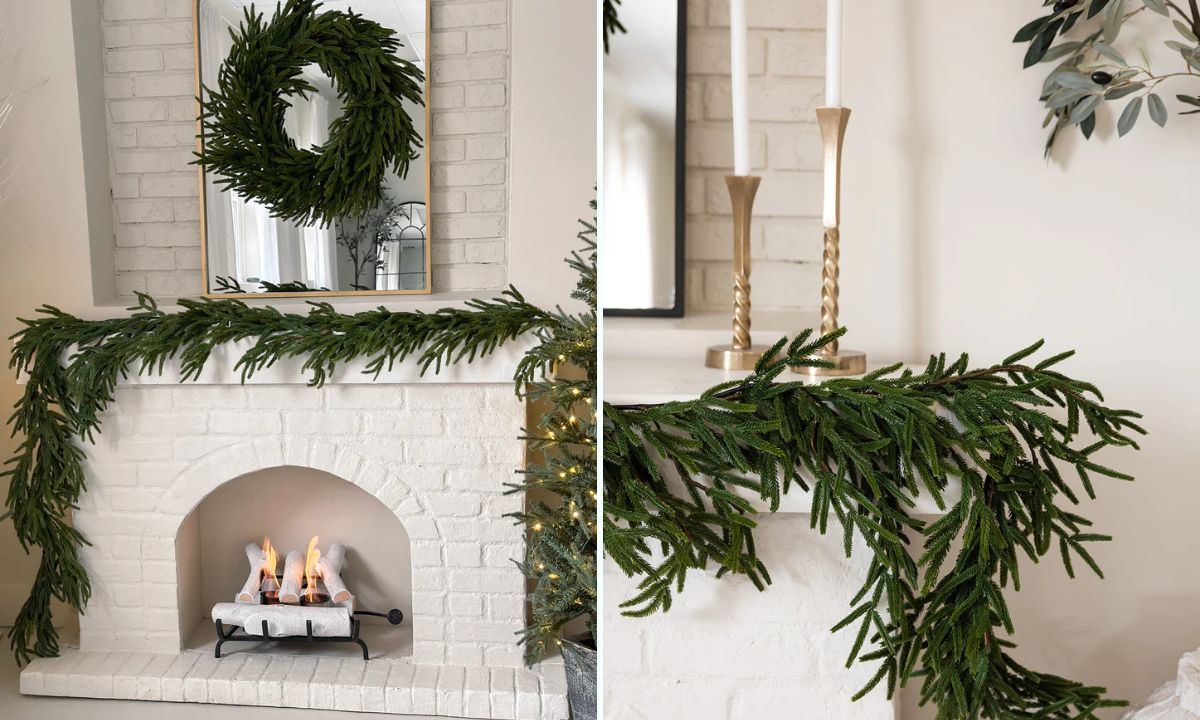
If you want the beauty of natural plants without the upkeep, preserved botanical stems are the perfect choice. They bring the freshness of greenery into your home or workspace—without watering, trimming, or worrying about wilting. In this guide, you’ll discover everything about preserved botanical stems—how they’re made, their benefits, styling ideas, and care tips—so you can make your decor effortlessly timeless.
What Are Preserved Botanical Stems?
Understanding Preserved Botanical Stems
Preserved botanical stems are real plant stems—such as branches, leaves, or flowers—that have been treated with natural preservatives like glycerin to maintain their color, texture, and flexibility for months or even years. Unlike fresh flowers that fade quickly or artificial ones that look synthetic, preserved stems strike a balance between authenticity and longevity.
How They’re Made
-
Fresh plants are harvested at peak condition.
-
Their natural sap is replaced with a preservation solution that keeps them soft and flexible.
-
The stems are then dried carefully to retain color and texture.
-
Some are gently dyed to enhance or maintain their natural shade.
This process keeps the stems looking vibrant and lifelike without the need for water or sunlight.
Why Choose Preserved Botanical Stems?
-
Low Maintenance: No watering, trimming, or sunlight needed.
-
Long-Lasting: Stay fresh-looking for months or even years.
-
Natural Look: Real plants retain authentic texture and detail.
-
Eco-Friendly: Many are produced using sustainable, chemical-free methods.
Benefits of Using Preserved Botanical Stems
Top Advantages
Preserved stems offer several long-term benefits that make them a smart alternative to fresh or artificial decor:
-
Durability: Stay vibrant and soft for long periods.
-
Effortless Upkeep: Perfect for busy lifestyles or commercial spaces.
-
Versatility: Ideal for homes, offices, hotels, weddings, and events.
-
Cost-Effective: Initial investment pays off over time as replacements aren’t needed often.
-
All-Season Appeal: Available in a range of styles and colors year-round.
Practical Example
Imagine a boutique café that wants natural accents year-round. Instead of replacing fresh bouquets every week, the café uses preserved eucalyptus and ruscus stems. They maintain their beauty, require no maintenance, and enhance the cozy, nature-inspired atmosphere—all while saving time and money.
Quick Comparison — Simplified Summary
-
Maintenance
-
Fresh: Needs regular watering and trimming.
-
Preserved: Very little care needed.
-
Artificial: No care but can look unnatural.
-
-
Longevity
-
Fresh: Lasts only a few days.
-
Preserved: Stays intact for months or years.
-
Artificial: Lasts for years, but may fade or lose shape.
-
-
Natural Texture
-
Fresh: Authentic and lush.
-
Preserved: Real and soft to touch.
-
Artificial: Often rigid or glossy.
-
-
Color Retention
-
Fresh: Fades quickly.
-
Preserved: Retains tone with proper care.
-
Artificial: Doesn’t fade, but can appear artificial.
-
-
Environmental Impact
-
Fresh: Biodegradable but short-lived.
-
Preserved: Moderate impact, sustainable when sourced well.
-
Artificial: Made from plastics, less eco-friendly.
-
How to Style Preserved Botanical Stems
Creative Styling Ideas
Preserved stems add elegance to any setting—modern, rustic, or minimalist. Try these styling ideas:
-
Statement Pieces: Use tall stems in large floor vases to create focal points.
-
Layered Arrangements: Mix different textures—like preserved eucalyptus, palm leaves, and bunny tails—for depth and interest.
-
Seasonal Touches: Switch ribbons, accessories, or accent pieces to fit the season.
-
Event Decor: Perfect for weddings, showrooms, or events where you need lasting beauty.
-
Minimalist Design: A single preserved stem in a glass vase adds a refined, modern touch.
-
Commercial Use: Ideal for hotels, offices, and restaurants that want greenery without constant upkeep.
Tips for Choosing the Right Stems
-
Check Quality: Look for natural color and flexibility—avoid overly stiff or heavily dyed stems.
-
Match Size to Space: Use taller stems for high ceilings and shorter ones for tabletops.
-
Pick Colors Thoughtfully: Earthy tones and muted greens blend easily with most interiors.
-
Estimate Quantity: Larger spaces may need multiple bundles for balance.
-
Mind the Environment: Keep them in dry, shaded areas to preserve color and shape.
How to Care for Preserved Botanical Stems
Care & Maintenance
Preserved stems are incredibly easy to care for—just a few steps will keep them beautiful for years:
-
Keep them away from direct sunlight to prevent fading.
-
Avoid water or humid areas like bathrooms.
-
Dust occasionally with a soft brush or hair dryer on a cool setting.
-
Handle gently to avoid breakage.
-
Use sturdy vases to support tall or heavy stems.
Common Mistakes to Avoid
-
Don’t place them near open windows or heat sources.
-
Never add water to their vases—they don’t need it.
-
Avoid mixing them with fresh flowers that require water.
Real-World Uses and Market Insights
Where Preserved Stems Shine
-
Retail & Hospitality: Hotels and restaurants use preserved arrangements for consistent, maintenance-free decor.
-
Events & Weddings: Stay fresh-looking throughout multi-day events.
-
Home Interiors: Add greenery to living spaces without worrying about care.
-
Creative Projects: Ideal for wreaths, wall art, and DIY decor.
Industry Insight
Preserved botanical stems are gaining popularity across global decor markets. Demand is driven by their eco-friendly appeal, long shelf life, and versatility—making them a top trend in sustainable interior design.
Frequently Asked Questions
What’s the difference between preserved and dried stems?
Dried stems lose flexibility and often fade, while preserved stems undergo a treatment process that keeps them soft, colorful, and lifelike.
Can I plant preserved botanical stems?
No, preserved stems are decorative only. They are not living plants and should not be placed in soil or water.
How long do preserved botanical stems last?
With proper care, they can last from several months up to a few years, depending on environmental conditions.
Are they safe for homes with pets and children?
Yes, most are safe and non-toxic. Always check that your chosen product is free from harsh chemicals or dyes.
Can I mix them with fresh flowers?
Yes—but keep preserved stems away from water. You can pair them in separate dry arrangements for a cohesive look.
Conclusion
Preserved botanical stems bring the timeless beauty of nature into your space—without the maintenance of live plants. They’re durable, elegant, and versatile, making them perfect for both home and professional settings. With the right care and styling, these stems can transform your interiors into serene, nature-inspired spaces that last.