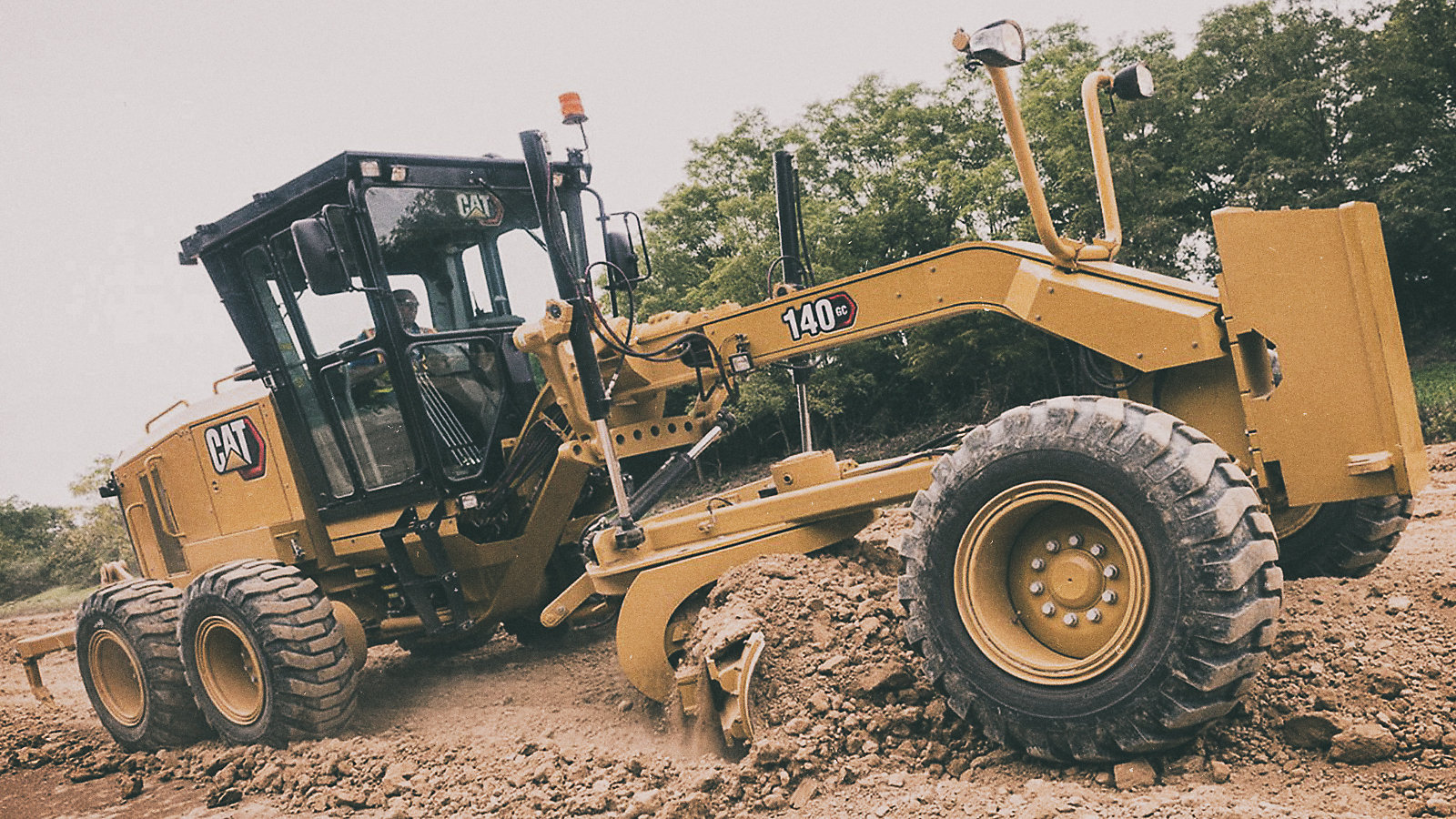
In the construction of roads, in the mining industry, and in the preparation of a site, accuracy is everything, and such accuracy requires blade control. The best motor graders aren’t only about horsepower or size, but rather about the precision with which the operators will be able to shape, level, and finish the ground. The blade control systems have been the true game-changers, which have changed the way contractors can approach surface grading in a fast and precise manner. New graders have integrated hydraulic responsiveness, digital sensors, and intelligent automation, making it easier than ever to get a perfect result with fewer passes.
Current machinery is much more than manual. Graders have advanced control systems and smart technology, which provide exact precision, reducing material wastage and operator fatigue. We should have a closer look at why blade control is such a critical component of motor grader operation, and what models are best at doing it.
The Importance of Blade Control in Grading Operations
The grading quality is based on blade control. It defines the ability of a motor grader to smooth rough surfaces, cut slopes, and complete roads to precise specifications.
Proper blade operation affects several very important things:
- Slope finishing and surface leveling: Smooth control is used to make sure that the job site is smooth.
- Fuel and material efficiency: Accurate movements minimize unnecessary moves, which save time and fuel.
- Operator comfort: Smooth hydraulics and responsive controls minimize strain and enhance performance even in long shifts.
Even a slight increase in the responsiveness of the blade can cause a huge change in the productivity of the entire project. That is an advantage in the modern competitive construction market.
Technology Behind Advanced Blade Control Systems
The difference between modern graders and old ones is the technology of the control systems. The Best Motor Graders combine mechanical precision with intelligent automation to simplify the process of grading, increase the speed of grading, and improve the accuracy of the grades.
Some of the major innovations are:
- Precise Hydraulic Systems: These guarantee smoother and predictable blade movements, even when heavily loaded.
- Electronic Joysticks: Joysticks are used instead of traditional levers and enable multi-directional control with minimal effort.
- Automatic Grade Control Systems: GPS and laser sensors work together to automatically adjust the blade and ensure consistent grading over large areas.
These systems, when combined, minimize manual correction and human guesswork. The ,,,,,,,,,,,,,,,,,,,,,,,,,,,,,,,,operators do not need to spend a lot of time adjusting the blade angles or depths, as they can concentrate on the task at hand.
Top Motor Grader Brands Leading in Blade Control
Several manufacturers have designed graders with world-class control systems.
- Caterpillar: The company is famous for its Cross Slope and Grade with 3D technologies that make the blade positioning fully automated and unmatched in precision.
- John Deere: The SmartGrade integration and dual-joystick controls provide the operator with fingertip precision and real-time data feedback.
- Volvo Construction Equipment: Load-sensing hydraulics and automated blade float are available, and this is used in finishing work.
- Komatsu: Intelligent Machine Control (iMC) on its machines gives real-time feedback, which automatically controls the blade as it is being used.
- Case Construction: Case uses its SiteControl technology installed in the factory to balance control, power, and precision for medium-sized projects.
Both brands are integrated with a user-friendly design and the latest automation, which guarantees the same grading in various job site conditions.
Best Motor Grader Models with Superior Blade Control
These are some of the most refined performance models with good control systems available:
- Caterpillar 140 M3: Joystick steering with in-built grade control to provide the best accuracy.
- John Deere 872GP: The SmartGrade automation in it allows real-time slope changes, which result in stable outcomes.
- Volvo G946C: The model is characterized by ultra-responsive hydraulics and electronic optimization of blade control.
- Komatsu GD655-7: It has Intelligent Machine Control automatic lift control that is used to provide precision grading.
- Case 836C: It offers operator-friendly customization of blade modes for fine and rough grading.
The combination of ergonomic controls, digital monitoring, and mechanical reliability in each model allows them to deliver consistent surface quality across projects.
Benefits of Investing in Blade-Control-Optimized Graders
The benefits of using graders that have advanced blade controls for a contractor are:
- Better grading and reduced passes.
- Increased productivity and reduced project schedules.
- Less operator fatigue with less turbulent hydraulics.
- Reduced maintenance expenses due to optimized hydraulic systems.
- More safety and user-friendliness for operators of all levels.
These advantages translate directly to cost reductions and improved overall project deliverables, particularly in large-scale infrastructure or road work projects.
Choosing the Right Motor Grader for Your Job
The process of locating the appropriate motor grader is based on the complexity and the scale of the job. Contractors are advised to take into account:
- Project type: Large highways require other capabilities as compared to small residential projects.
- Terrain conditions: Rocky or rough terrain needs more powerful hydraulic systems and tough blades.
- Automation degree: Full automation systems are more accurate, but also more expensive.
- Operator experience: There are systems that might take time to master; select the system that fits the comfort level of your team.
- Service and maintenance: Make sure your brand of choice has good local service and support.
A balance of these will assist you in choosing a grader that fits your business targets and budget.
Future Trends in Blade Control Technology
The future of blade control is changing very fast. Manufacturers are currently combining AI-based automation, real-time telematics, and even augmented reality interfaces. Such innovations will enable graders to forecast the soil conditions, automatically adjust the blade angles, and provide real-time performance feedback.
Another emerging trend involves manufacturers testing semi-autonomous graders across the globe that adhere to digital design plans and require very little operator intervention. Precision grading is heading to a future where technology will do most of the fine-tuning.
Precision Is Power
Performance is characterized by precision at the end of the day. The Best Motor Graders are not only strong; they are intelligent, sensitive, and perfected. The reason to invest in a grader that has high-tech blade control is not merely about comfort and convenience, but about the ability to come up with perfect results at an increased rate and more effectively. To the contractors, that translates to smoother surfaces, reduced costs, and increased project satisfaction at all times.
FAQs
Q1. Which motor grader offers the most advanced blade control system?
A: Caterpillar and John Deere equip their machines with the most innovative control systems that provide automation and GPS-based precision.
Q2. How does GPS-based grade control improve accuracy?
A: GPS systems constantly monitor the blade location and height, and make automatic changes to maintain the grader at the optimal alignment to the design grade.
Q3. Are automated blade control systems suitable for small contractors?
A: Yes. Even though contractors make an initial investment, they save labor time, enhance precision, and lower rework costs, which compensate for the expense in the long term.
Q4. What maintenance does a grader’s blade control system require?
A: Contractors need to periodically check hydraulic lines, sensors, and software updates to maintain the system’s responsiveness and accuracy throughout its service life.