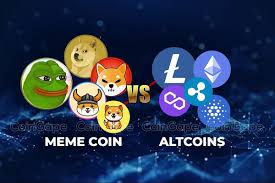
The world of cryptocurrencies is evolving rapidly in 2025, and two main categories are shaping the digital asset landscape – Altcoins and Memecoins. Although both fall under the broad umbrella of cryptocurrencies, they serve very different purposes and attract different investor circles. Understanding the difference between meme coin and crypto is crucial for anyone aiming to make informed investment decisions in this dynamic market.
What Are Altcoins?
Altcoins, short for “alternative coins”, refer to all cryptocurrencies that are not Bitcoin. These digital assets were created to improve Bitcoin’s technology or provide new blockchain functionality. Popular examples include Ethereum (ETH), Cardano (ADA), Polkadot (DOT), Avalanche (AVX), and Solana (SOL).
Key Features of Altcoins
-
Utility-driven Purpose: Most altcoins power decentralized applications, smart contracts, or blockchain ecosystems.
-
Real-World Use Cases: They often solve technical problems like scalability, speed, and interoperability.
-
Long-Term Value: Many altcoins are used in industries like DeFi (Decentralized Finance), NFTs, gaming, and Web3 projects.
-
Strong Developer Ecosystems: Altcoins are typically backed by robust development teams and strategic partnerships.
Altcoins are often seen as the foundation of the next generation of blockchain infrastructure, offering practical solutions for enterprise and retail users alike.
What Are Memecoins?
Memecoins, on the other hand, are cryptocurrencies created primarily for entertainment or as a social phenomenon. They are often inspired by Internet memes, humor or viral culture rather than technological innovation.
Examples include Dogecoin (DOGE), Shiba Inu (SHIB), Pepe (PEPE) and Floki Inu (FLOKI).
Key Features of Memecoins
-
Community-Driven: Their popularity depends on social media hype, influencer backing, and viral trends.
-
Speculative Nature: Prices can skyrocket or crash based on community sentiment rather than intrinsic utility.
-
Low Entry Barrier: Memecoins are often inexpensive, making them attractive to new investors looking for quick gains.
-
Marketing Power: Most memecoins rely heavily on branding, memes, and celebrity endorsements.
Memecoins may lack deep technical value, but they excel in marketing power and community engagement, creating massive hype-driven rallies.
The Core Difference Between Meme Coin and Crypto
The difference between meme coin and crypto lies in their purpose, technology, and value proposition.
| Aspect | Altcoins (Traditional Crypto) | Memecoins |
|---|---|---|
| Purpose | Solve real-world problems or offer blockchain improvements | Primarily entertainment or community-driven projects |
| Technology | Backed by strong blockchain innovation | Minimal technical difference from existing tokens |
| Value Source | Utility, adoption, partnerships | Social media trends and hype |
| Volatility | Moderate (depends on project fundamentals) | Extremely high and unpredictable |
| Investment Goal | Long-term growth and stability | Short-term speculative trading |
| Examples | Ethereum, Cardano, Avalanche | Dogecoin, Shiba Inu, Pepe |
In short, altcoins are built for utility, while memecoins are built for virality. Both can yield profits, but they attract entirely different types of investors.
Altcoins in 2025: Growing Role in the Web3 Ecosystem
In 2025, altcoins will continue to dominate the Web3 landscape and decentralized applications (dApps). Ethereum remains the leader in smart contracts, while layer-2 solutions such as Polygon (MATIC) and Arbitrum (ARB) improve scalability and transaction efficiency.
Top Altcoin Use Cases
-
Smart Contracts: Ethereum and Cardano allow developers to build decentralized apps.
-
DeFi Platforms: Projects like Uniswap, Aave, and Compound run on altcoin-powered ecosystems.
-
Interoperability: Polkadot and Cosmos aim to connect multiple blockchains seamlessly.
-
Scalability Solutions: Avalanche and Solana focus on speed and efficiency for global transactions.
-
Web3 Gaming and NFTs: Altcoins like Immutable (IMX) and Gala (GALA) are powering next-gen blockchain gaming.
With major enterprises adopting blockchain for real-world solutions, altcoins have positioned themselves as the backbone of decentralized innovation.
Memecoins in 2025
Memecoins, once dismissed as jokes, have evolved into a serious market category by 2025. Many memecoins now offer utility-driven expansions, such as NFTs, staking programs, and DeFi integrations.
Evolving Memecoins
-
Shiba Inu (SHIB): Expanded with Shibarium, its Layer-2 blockchain to reduce gas fees and support dApps.
-
Dogecoin (DOGE): Increasing merchant adoption, including integration into payment platforms.
-
Pepe Coin: Maintains strong cultural relevance on social platforms, driving speculative value.
Memecoins have proven that community influence can sometimes rival technology. Their success depends on social virality, celebrity tweets, and the power of online movements.
Why Investors Are Comparing Altcoins and Memecoins in 2025
With the crypto market maturing, investors are now looking beyond hype and into utility and sustainability. However, both altcoins and memecoins play unique roles:
-
Altcoins attract long-term investors seeking steady growth through technology adoption.
-
Memecoins appeal to risk-takers who thrive on short-term volatility and hype-driven profits.
The difference between meme coin and crypto is not just about value — it’s about investment psychology. Altcoins are about building; memecoins are about belonging.
Investment Perspective
Altcoins: Stability and Utility
Investors looking for sustainable returns often prefer altcoins because:
-
They have clear development roadmaps.
-
Offer use cases beyond speculation.
-
Are favored by institutional investors entering the crypto space.
-
Provide staking opportunities for passive income.
Memecoins: Hype and Potential High Returns
Memecoins, despite their risks, remain popular because:
-
They deliver massive ROI in short timeframes during bull markets.
-
Build strong social identities for investors.
-
Drive mainstream interest in crypto adoption.
However, investors should remember that most memecoins lack sustainable utility and can be highly volatile once hype fades.
Which Has the Brighter Future?
In 2025 and beyond, both sectors have room to thrive — but in different directions.
-
Altcoins are expected to lead blockchain adoption, with more institutional and regulatory support.
-
Memecoins will likely remain part of the cultural and social media side of crypto, driving awareness and community growth.
Projects that combine both technology and community engagement — like Shiba Inu’s Shibarium or Dogecoin’s expanding payment ecosystem — could redefine what a hybrid crypto looks like.
Future Benefits of Investing in Altcoins and Memecoins
Benefits of Altcoins
-
Long-Term Growth: Based on real technological progress.
-
Adoption by Major Companies: Growing use in DeFi, NFTs, and Web3.
-
Lower Volatility Over Time: As utility grows, price stability improves.
-
Passive Income Potential: Through staking and yield farming.
Benefits of Memecoins
-
High Short-Term Gains: Massive profit potential during bullish trends.
-
Community Strength: Collective investor enthusiasm drives projects.
-
Accessibility: Easy entry for beginners due to low coin prices.
-
Marketing Reach: Bridges pop culture and crypto adoption.
In summary, altcoins offer sustainable growth, while memecoins deliver excitement and community energy — both shaping the 2025 crypto narrative.
Conclusion
In 2025, the crypto space is diverse, inclusive and more advanced than ever. Altcoins promote innovation through technology and real-world solutions, while memecoins promote adoption through entertainment and community power.
Understanding the differences between meme coins and crypto helps investors diversify wisely while mixing long-term stability with short-term excitement. Whether you choose the innovation of altcoins or the viral appeal of memecoins, the keys to success are strategy, timing and knowledge.
The future of crypto belongs to those who understand both the fundamentals and the fun side of digital assets.