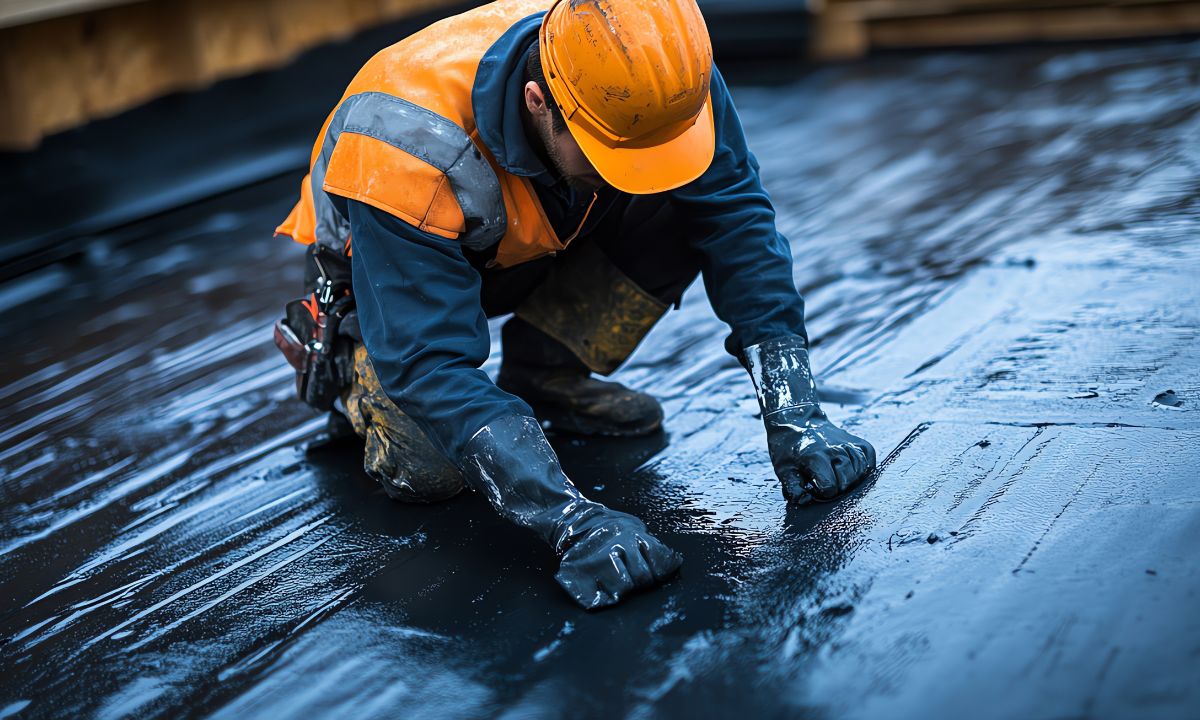
Dubai’s buildings face extreme heat, humidity, and occasional heavy rains — all of which can cause cracks, leaks, and long-term water damage. To keep your property safe, membrane waterproofing has become one of the most reliable and durable protection methods.
In this detailed guide, you’ll learn what membrane waterproofing is, how it works, where it’s applied, and why it’s the top choice for property owners in Dubai.
What Is Membrane Waterproofing?
Membrane waterproofing is the process of applying a thin, flexible protective layer on a surface — such as roofs, basements, or foundations — to stop water from entering the structure.
It acts as a barrier against leaks, moisture, and chemical damage, ensuring the structure remains dry and durable for years.
Main Types of Membranes
-
Sheet Membranes: Pre-made rolls that are applied using adhesives or heat.
-
Liquid Membranes: Applied as a liquid that cures into a seamless waterproof film.
These membranes adjust to Dubai’s temperature fluctuations, expanding and contracting without cracking.
Why Membrane Waterproofing Is Important in Dubai
The city’s desert climate creates multiple challenges for building protection:
-
High humidity promotes dampness and mold.
-
Extreme heat weakens traditional coatings.
-
Occasional rain causes cracks and leakage.
Proper membrane waterproofing helps to:
-
Prevent water seepage and damp walls.
-
Stop cracks caused by temperature expansion.
-
Reduce long-term maintenance and repair costs.
-
Strengthen the overall structure of the building.
Note: Waterproofing is a mandatory part of Dubai’s building code, especially for roofs, basements, and wet areas.
Types of Membrane Waterproofing Systems
1. Bituminous Membrane
-
Made of bitumen reinforced with fiberglass or polyester.
-
Torch-applied or self-adhesive rolls.
-
Excellent resistance to UV and weathering.
-
Commonly used for roofs and terraces.
2. Liquid Applied Membrane
-
Applied with brushes, rollers, or spray equipment.
-
Cures into a seamless, joint-free layer.
-
Ideal for irregular or detailed surfaces.
-
Simple to maintain and recoat.
3. PVC Membrane
-
Made of flexible polyvinyl chloride sheets.
-
Resistant to chemicals, roots, and punctures.
-
Suitable for tunnels, green roofs, and basements.
4. EPDM Rubber Membrane
-
Elastic synthetic rubber sheet.
-
Performs well under extreme heat or cold.
-
Commonly used in commercial or industrial buildings.
Sheet vs. Liquid Membranes for Waterproofing
Sheet Membranes:
-
Installed using heat or adhesive.
-
Have visible seams or overlaps.
-
Provide consistent thickness and high durability.
-
Ideal for large, open areas like terraces and basements.
Liquid Membranes:
-
Applied as a liquid that dries into a uniform film.
-
Seamless and flexible — perfect for corners and edges.
-
Easily maintained or repaired when needed.
-
Suited for detailed or irregular structures.
Common Areas That Need Membrane Waterproofing
-
Roofs and terraces – protection against sun and rain.
-
Basements – prevents moisture from the soil.
-
Bathrooms and kitchens – guards against daily water exposure.
-
Podiums and planters – avoids leakage from water retention.
-
Swimming pools and water tanks – ensures complete water sealing.
Key Advantages of Membrane Waterproofing
-
Long lifespan: Protects up to 20–25 years with minimal maintenance.
-
Highly flexible: Adapts to structural movement without cracking.
-
Seamless coating: Especially in liquid membrane applications.
-
Weather resistant: Works well in Dubai’s harsh conditions.
-
Economical: Reduces the need for costly repairs and repainting.
Cost of Membrane Waterproofing in Dubai
Pricing depends on the surface condition, membrane type, and total area.
Average Price Range
-
Bituminous Membrane: 25 – 45 AED per sq.m.
-
Liquid Membrane: 30 – 50 AED per sq.m.
-
PVC Membrane: 45 – 70 AED per sq.m.
Pro Tip: Always request a site inspection before starting any work to get an accurate quote and ensure proper surface preparation.
Expert Tips for Long-Lasting Waterproofing
-
Always hire experienced waterproofing specialists familiar with Dubai’s environment.
-
Ensure surface cleaning and priming before application.
-
Select materials that match the project’s needs and exposure conditions.
-
Conduct routine inspections every 12–18 months.
-
Avoid cheap or untested products — invest in quality membranes for better longevity.
Why Choose Professional Waterproofing Services in Dubai
Professional contractors provide:
-
High-quality, approved materials.
-
Workmanship warranties for peace of mind.
-
Modern installation techniques like spray or torch application.
-
Full compliance with Dubai’s safety and building standards.
FAQs:
1. How long does membrane waterproofing last?
A well-installed membrane can last between 15 and 25 years, depending on the material used and environmental exposure.
2. Can membrane waterproofing be applied over existing layers?
Yes, it can be applied after cleaning and priming the existing surface for proper adhesion.
3. How do I know if my roof needs waterproofing?
Look for peeling paint, damp spots, or ceiling stains — all early signs of water leakage.
4. Is membrane waterproofing safe for the environment?
Yes, many modern membranes are low-VOC and eco-friendly, making them safe for residential and commercial use.
Conclusion:
Membrane waterproofing is one of the smartest ways to protect your property from leaks, dampness, and long-term damage.
In Dubai’s demanding climate, it ensures durability, safety, and peace of mind for homeowners and businesses alike.
If you want reliable, long-term protection for your building, choose professional membrane waterproofing and secure your property for decades to come.