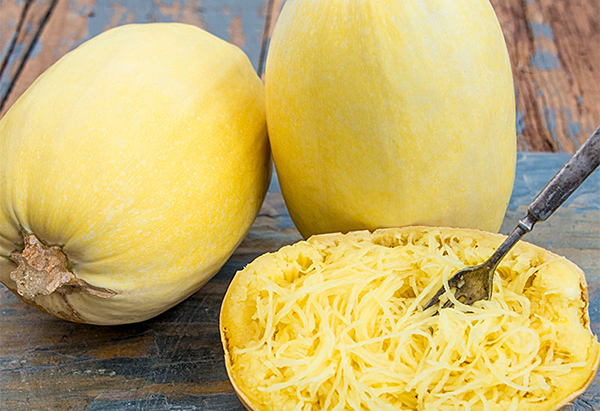
Spaghetti squash is quickly becoming a staple in health-conscious kitchens around the world. This versatile vegetable offers a remarkable way to enjoy a variety of dishes while significantly cutting down on calories. With a texture that mimics traditional pasta, it provides an ideal substitute for those looking to reduce their carbohydrate intake or simply explore healthier meal options. Its mild flavor and unique texture make it a perfect base for a wide range of recipes, from savory to sweet, without sacrificing the satisfaction that comes from a hearty meal.
Not only does spaghetti squash help lower calorie consumption, but it is also packed with nutrients that contribute to overall well-being. The flesh of the squash transforms into long, thin strands after being cooked, resembling spaghetti, hence the name. Whether you use it in place of pasta or as a side dish, the benefits of spaghetti squash go beyond just being a low-calorie food choice. With its high fiber content and array of vitamins, it’s an excellent addition to a balanced diet, aiding digestion and offering a variety of other health advantages.
Health and Wellness: A Nutrient Powerhouse
Incorporating spaghetti squash into your diet is a great way to support health and wellness. This low-calorie vegetable is a rich source of vitamins such as vitamin A, which is essential for maintaining healthy skin, vision, and immune function. The squash also contains vitamin C, an antioxidant that plays a crucial role in tissue repair and helps combat oxidative stress in the body.
Moreover, spaghetti squash is an excellent source of dietary fiber, which is vital for promoting digestive health. Fiber helps regulate bowel movements, preventing constipation, and supporting gut health. It also aids in weight management by providing a sense of fullness, reducing overall calorie intake. When consumed regularly, the fiber in spaghetti squash contributes to maintaining healthy cholesterol levels and managing blood sugar levels.
Another health benefit of spaghetti squash is its relatively low glycemic index, making it a perfect choice for individuals looking to stabilize blood sugar levels. This is particularly helpful for those with diabetes or anyone looking to maintain steady energy throughout the day without spikes and crashes associated with high-carb meals.
A Versatile Ingredient for Any Meal
One of the greatest advantages of spaghetti squash is its versatility. It can be prepared in a variety of ways to complement different types of meals. Whether you’re in the mood for a light, refreshing dish or a rich, comforting plate of pasta, spaghetti squash can be easily adapted to fit your culinary needs.
Roasting Spaghetti Squash
Roasting is one of the most popular methods for preparing spaghetti squash. Simply slice the squash in half, remove the seeds, and roast it in the oven until tender. The flesh will naturally pull away in strands, ready to be served with your favorite sauces or toppings. Roasting enhances the flavor, adding a slightly caramelized sweetness to the dish. It pairs beautifully with everything from marinara sauce to a creamy garlic butter sauce.
Spaghetti Squash as a Pasta Substitute
Using spaghetti squash as a substitute for pasta is perhaps its most well-known use. Whether you’re making spaghetti and meatballs or a decadent Alfredo dish, spaghetti squash can replace traditional pasta without sacrificing the texture or the taste. It absorbs the flavors of sauces wonderfully, making it a great alternative for anyone looking to reduce their carbohydrate intake while still enjoying their favorite pasta dishes.
Adding Spaghetti Squash to Salads
Another great way to enjoy spaghetti squash is by adding it to salads. The mild flavor and tender texture make it an excellent addition to both warm and cold salads. You can pair it with roasted vegetables, leafy greens, nuts, and a light vinaigrette for a refreshing, nutritious meal. It’s an ideal way to boost the volume of your salad while keeping the calorie count low.
Boosting Your Nutrient Intake with Spaghetti Squash
In addition to being low in calories, spaghetti squash is packed with a range of important nutrients. It’s high in antioxidants, such as beta-carotene, which is converted into vitamin A in the body. This powerful antioxidant helps to neutralize free radicals and reduce inflammation, promoting overall health.
Furthermore, spaghetti squash contains significant amounts of potassium, a mineral that supports healthy muscle function and helps maintain proper fluid balance in the body. By incorporating more potassium-rich foods like spaghetti squash into your diet, you can improve heart health and reduce the risk of high blood pressure.
Spaghetti squash is also a good source of folate, which is especially important for pregnant women as it supports fetal development and helps prevent birth defects. Its high water content, which helps with hydration, adds another layer of wellness benefits to this vegetable.
A Weight-Loss Friendly Option
For those looking to lose weight or maintain a healthy weight, spaghetti squash is an excellent option. Its low-calorie, high-fiber content makes it a filling and satisfying alternative to more calorie-dense foods. The fiber helps promote satiety, preventing overeating and aiding in portion control. As part of a calorie-controlled diet, spaghetti squash can help individuals achieve their weight loss goals without feeling deprived.
Additionally, the act of replacing higher-calorie ingredients with spaghetti squash—such as pasta, rice, or potatoes—can significantly reduce overall calorie consumption. This swap not only contributes to weight loss but also enhances the overall nutritional profile of your meals.
Ideal for Various Diets
Spaghetti squash is a great option for individuals following various dietary plans, including gluten-free, paleo, and keto diets. Its naturally gluten-free nature makes it an excellent substitute for pasta in gluten-free dishes. Those on a paleo diet can enjoy it as a healthy carb source, while people following a keto diet can use it in moderation to replace higher-carb options without exceeding their carb limits.
Moreover, since spaghetti squash is low in calories and carbohydrates, it fits well into a variety of meal plans designed for weight management or improving overall health. It can be enjoyed as part of a nutritious, balanced diet that includes plenty of vegetables, lean proteins, and healthy fats.
Cooking Tips for the Best Results
To get the most out of spaghetti squash, it’s important to use the right cooking techniques. Overcooking can lead to mushy squash, so it’s crucial to keep an eye on it while it’s cooking. When roasting, aim for a tender yet firm texture that will allow the strands to separate easily. If you prefer a softer consistency, you can microwave the squash for a quicker cooking time.
To enhance the flavor, consider seasoning the spaghetti squash with a variety of herbs and spices before roasting or sautéing it. A drizzle of olive oil, a sprinkle of garlic powder, or a touch of fresh herbs like basil or thyme can elevate the taste and make it even more delicious.
Conclusion
Spaghetti squash is not just a trendy food; it’s a versatile, nutrient-rich vegetable that offers numerous health benefits. From its ability to lower calorie intake without compromising flavor to its high fiber and vitamin content, spaghetti squash supports overall health and wellness. By incorporating it into a variety of dishes, you can enjoy its many advantages, from weight management to improved digestion. Whether you’re looking to reduce carbs, improve your diet, or simply enjoy a delicious, healthy meal, spaghetti squash is a fantastic addition to any kitchen.