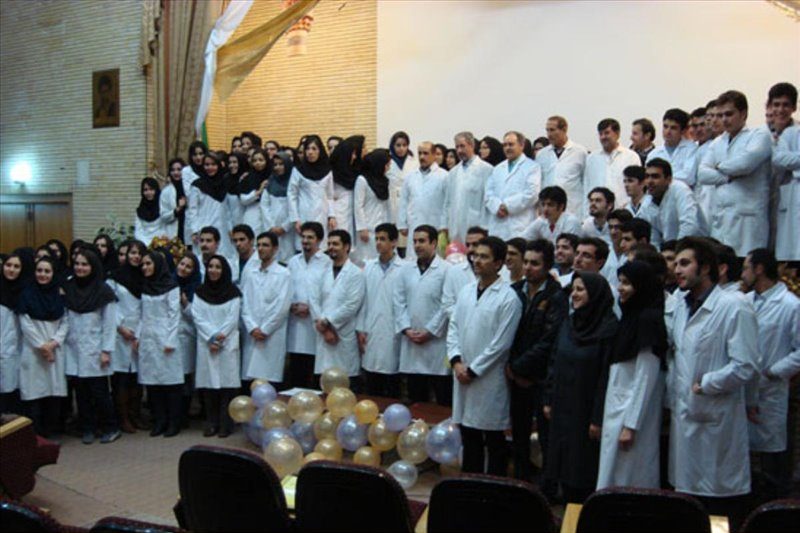
Studying mbbs in Egypt has become a popular choice for Indian students who want quality medical education, international exposure, and a balanced cost of living. But before you pack your bags and book your flight, it’s important to understand what life in Egypt really looks like—from language and academics to food, culture, climate, and daily lifestyle. Knowing these things in advance will help you adjust faster, avoid unnecessary shocks, and actually enjoy your MBBS journey instead of just surviving it.
1. Understanding the language reality: English vs Arabic
The first thing most students worry about is language. Egypt’s local language is Arabic, and you’ll hear it everywhere—in markets, on the streets, in taxis, and in casual conversations. However, when it comes to medical education, most universities that accept international students offer the MBBS program in English-medium.
In lectures, exams, textbooks, and academic discussions, you’ll primarily use English. Professors teaching international batches are usually comfortable explaining concepts in English, especially in medical universities with a long history of foreign students. That said, you will still encounter Arabic in patient interaction, hospital signboards, and daily life situations. Over time, you’ll naturally pick up basic Arabic phrases for greetings, directions, food, and communication with patients during clinical years. You don’t need to be fluent, but learning a little Arabic will definitely make your life easier and help you connect better with locals.
2. Teaching style and academic expectations
Egyptian medical universities follow a structured academic framework similar to other international MBBS programs. You can expect a mix of theory lectures, practicals, labs, tutorials, and later on, regular clinical postings in hospitals. Compared to typical Indian coaching-centre style teaching, the approach in Egypt may feel more university-oriented and less exam-cramming focused.
You’re expected to revise regularly, attend classes sincerely, and study from standard textbooks. Attendance rules can be strict in many universities, especially for labs and clinical rotations. Internal assessments, viva, and practical exams all play a role in your overall performance. If you plan to return to India for FMGE or NExT, you’ll need to build the habit of parallel preparation—following your university syllabus while also aligning your study pattern with Indian exam requirements. The academic culture rewards consistency more than last-minute pressure.
3. Culture shock: new country, new norms
Culturally, Egypt is different from India but not as alien as many students fear. It is a Muslim-majority country with traditional values, especially in terms of dressing modestly and respecting social boundaries. You might notice differences in gender interactions, public behavior, and local customs. As an international student, it’s important to be respectful and adapt to these norms rather than challenge them.
You will also find Egyptians to be generally warm, hospitable, and curious about foreigners, especially Indians. Bollywood, cricket, and Indian food are often surprising conversation bridges. At the same time, you should be cautious about whom you trust in the beginning, like in any new country. Over time, as you understand local etiquette and unspoken rules, you’ll start feeling less like a tourist and more like a resident.
4. Lifestyle and daily routine as an MBBS student
Life as an MBBS student in Egypt is not a holiday; it’s a disciplined routine mixed with slow cultural exploration. Your weekdays will mostly revolve around classes, hospital postings, self-study, and group discussions. Evenings are often spent revising, cooking, or hanging out with friends in cafés or student areas.
The pace of life can feel slower compared to rush-rush metro cities in India, but this actually gives you mental space to focus on studies. Weekends may be used for laundry, grocery shopping, exploring the city, or just relaxing. Over time, you’ll create a rhythm that balances academic responsibilities with relaxation and social life.
5. Food and eating habits: from biryani to koshari
Food is one of the biggest emotional anchors when you move abroad. Egypt has its own unique cuisine—dishes like koshari, falafel, shawarma, grilled chicken, and various breads and dips are common. If you’re open to trying new food, you’ll enjoy exploring local flavors.
At the same time, most Indian students eventually start missing dal, roti, sabzi, and chai. In many university cities, there are Indian restaurants, tiffin services, or Indian mess kitchens run by seniors or locals catering to students. You may also share a flat or hostel room with friends and cook together, which not only saves money but also brings a touch of “home” into your daily life.
If you are vegetarian, it might be slightly more challenging initially, but not impossible. You’ll learn where to find veg food, how to stock up on essentials, and what to cook with local ingredients. The key is patience and flexibility—your food system will stabilize within a few months.
6. Weather and clothing: preparing for the climate
Egypt has a desert-influenced climate with hot summers and mild to cool winters. Summers can get quite hot, especially in the afternoon, so you’ll need light, breathable clothes, sunglasses, sunscreen, and plenty of hydration. Winters, on the other hand, can surprise you with cooler evenings and nights, especially if you’re near the Mediterranean or in regions with lower temperatures.
Unlike Indian monsoon-driven weather, rainfall is limited and the air can feel dry. It’s a good idea to carry a mix of clothing—some modest, full-length outfits suitable for public spaces and hospital duty, along with comfortable casual wear for hostel or flat life. A few good layers like jackets or sweaters will help in winter months. Over time, you’ll adjust your wardrobe to what feels right for local climate and culture.
7. Accommodation and living arrangements
Most Indian students either live in university hostels or shared apartments near the campus. Hostels can be more structured with rules on timings, visitors, and noise, which is good for focus and safety but may feel restrictive to some. Shared flats give more freedom but come with responsibilities like cooking, cleaning, dividing bills, and managing landlord relations.
Before finalizing accommodation, it’s wise to talk to seniors, check the distance from university, understand transport options, and check basics like Wi-Fi, water, electricity, and security. Over a long MBBS duration, your living space impacts your mental health and studies more than you realise, so choose wisely rather than rushing into the first cheap option.
8. Safety, travel, and getting around
Most student areas in Egypt are reasonably safe, especially around universities and academic zones. Like any country, there can be areas you avoid at night or situations where you stay cautious. Simple habits like not carrying too much cash, keeping your phone charged, sharing your location with trusted friends, and using reliable transport options can keep you comfortable and secure.
You’ll use a mix of walking, local taxis, ride-hailing apps, and sometimes buses to get around. At first, the currency, routes, and bargaining may confuse you, but within a few weeks, you’ll get used to it. Learning basic Arabic phrases for directions, addressing people politely, and handling common situations will make daily travel smoother.
9. Social life, friends, and support system
One of the best parts of studying abroad is the network you build. In Egypt, you’ll find students not only from India but also from Nepal, Pakistan, African countries, and the Middle East. Your friend circle often becomes like your second family—celebrating festivals together, helping each other in tough times, sharing notes, and motivating each other during exams.
Seniors are especially important in your initial months. They guide you about classes, exam patterns, good teachers, reliable grocery spots, and what to avoid. Maintaining respectful, genuine relationships with seniors, batchmates, and even some faculty members can make your entire MBBS journey smoother and less lonely.
10. Balancing lifestyle with long-term goals
While lifestyle, travel, and new experiences are exciting, it’s important to remember why you came: to become a competent doctor. All the comfort, freedom, and exposure only matter if you stay focused on your academic and career goals.
This means building habits like regular study schedules, revising subjects on time, starting early preparation for FMGE or NExT if you want to return to India, and slowly exploring options like USMLE or PLAB if you dream of going further abroad. The students who truly benefit from studying mbbs in Egypt are those who enjoy the new lifestyle but never lose sight of their long-term vision.
Conclusion: Go prepared, not blind
Moving to Egypt for MBBS is not just a change of university; it’s a change of country, language environment, food habits, and daily lifestyle. If you understand these aspects in advance—how academics work, what language to expect, how to live, what to eat, how to stay safe, and how to balance enjoyment with serious study—you will adapt faster and grow stronger.
Instead of being shocked by every difference, you’ll see each new experience as part of your journey from being a student in India to becoming an international medical graduate with wider exposure and maturity. Going informed is the real key to making your decision to Study mbbs in Egypt truly worth it.