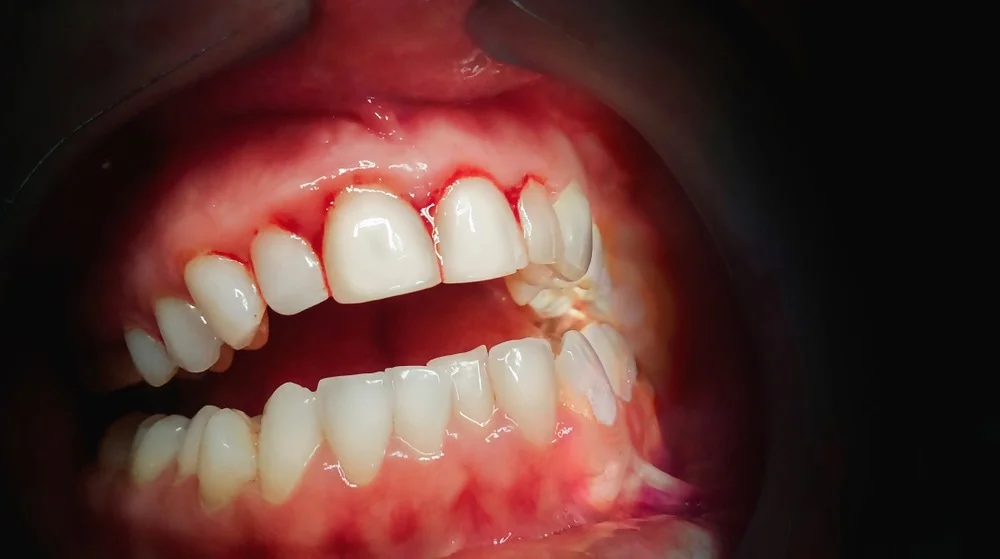
Bleeding gums are a common oral health concern, and while it can be alarming to notice blood while brushing or flossing, the cause might be more than just poor oral hygiene. One of the possible reasons behind bleeding gums is a nutritional deficiency. Various vitamins and minerals play an essential role in maintaining the health of your gums and teeth. A lack of these vital nutrients can weaken the gum tissue and contribute to conditions like gingivitis, which can lead to bleeding. Understanding how deficiency causes bleeding gums is crucial to addressing the underlying problem and improving your overall oral health.
In this article, we will explore the connection between nutritional imbalances and bleeding gums, the symptoms to look out for, and how you can address these deficiencies through diet and proper dental care. If you’ve been struggling with bleeding gums or other oral health issues, this article will help you identify the signs of nutritional deficiencies and offer solutions to improve your gum health.
What Causes Bleeding Gums?
Bleeding gums are often a symptom of gingivitis, the earliest stage of gum disease. Gingivitis occurs when the tissues around the teeth become inflamed, usually due to plaque buildup. However, while poor brushing habits and neglecting oral hygiene are the most common culprits, nutritional deficiencies can also play a significant role. Vitamins and minerals like Vitamin C, Vitamin K, and calcium are vital for gum health, and a lack of these nutrients can lead to gum weakness and inflammation.
The Role of Vitamin C
One of the most well-known nutrients for gum health is Vitamin C. This vitamin plays a critical role in collagen production, a protein that helps maintain the integrity of the skin, blood vessels, and tissues throughout the body, including the gums. Without enough Vitamin C, the gums can become swollen, bleed easily, and even begin to recede. This condition is commonly known as scurvy, which is rare today but still a relevant example of how a Vitamin C deficiency can affect gum health.
Calcium and Gum Strength
Calcium is another mineral essential for strong teeth and gums. While most people associate calcium with bone health, it also plays a role in the structure of the gums. A lack of calcium can weaken the tissues in your mouth, making them more prone to infection and inflammation. Calcium works alongside Vitamin D to maintain bone density and tissue repair, and its deficiency may contribute to a variety of oral health issues, including bleeding gums.
Vitamin K and Blood Clotting
Vitamin K is essential for proper blood clotting. Without enough Vitamin K, your body may struggle to stop bleeding, including bleeding from the gums. This vitamin is necessary for producing proteins that help blood coagulate, so deficiencies can lead to prolonged bleeding. While this deficiency is more commonly associated with conditions like easy bruising or excessive menstrual bleeding, it can also manifest as bleeding gums.
How Nutritional Deficiencies Impact Oral Health
When your body is deficient in essential nutrients, it can result in impaired immune function, weakened tissues, and a higher susceptibility to infection. For the gums, this means that the tissues may not be able to fight off harmful bacteria effectively. Over time, the accumulation of plaque and bacteria can lead to gingivitis, which causes redness, swelling, and bleeding of the gums. If left untreated, gingivitis can progress to more severe forms of gum disease, such as periodontitis, which may lead to tooth loss.
Immune System and Gum Health
The immune system plays an important role in maintaining gum health. A lack of certain nutrients, like zinc and Vitamin A, can impair immune function, making it harder for your body to combat gum infections. Zinc helps with the repair of tissue and is essential for the function of certain immune cells. A zinc deficiency may make your gums more susceptible to infections, leading to inflammation and bleeding.
Poor Diet and Oral Hygiene
While nutritional deficiencies are a significant factor, it’s essential to remember that diet alone isn’t the sole cause of bleeding gums. Poor oral hygiene practices, such as not brushing or flossing regularly, can also contribute to gum disease. However, when combined with a poor diet, the effects can be compounded, leading to faster progression of gum disease. That’s why it’s crucial to not only focus on dental advice today but also ensure your diet is rich in the nutrients your body needs to keep your gums healthy.
Nutrients to Prevent Bleeding Gums
A well-balanced diet is the key to preventing and treating bleeding gums caused by nutritional deficiencies. Ensuring that your diet is rich in the following vitamins and minerals can help maintain healthy gums:
Vitamin C: The Gum Protector
As previously mentioned, Vitamin C is crucial for collagen production, which helps keep the gums firm and healthy. It also acts as an antioxidant, protecting your gums from oxidative stress caused by free radicals. If you are not consuming enough Vitamin C, you can increase your intake by eating citrus fruits like oranges, lemons, and grapefruits. Vegetables such as bell peppers, spinach, and broccoli are also excellent sources of Vitamin C.
Vitamin D: The Bone and Gum Strengthener
Vitamin D is essential for the absorption of calcium in the body, which is necessary for strong bones and teeth. It also helps to regulate the immune system, ensuring that your gums can fight off infections. Foods like fatty fish, egg yolks, and fortified milk are good sources of Vitamin D. Spending some time in the sun is another way to ensure your body produces enough Vitamin D naturally.
Zinc: The Immune Booster
Zinc plays a vital role in immune function and tissue repair. It is also involved in collagen synthesis, which is crucial for healthy gums. Zinc-rich foods include meat, shellfish, legumes, seeds, and nuts. If you’re vegetarian or vegan, zinc supplements may be a good option, but it’s always best to consult with a healthcare provider before starting any new supplement regimen.
Iron: Fighting Anemia and Gum Bleeding
Iron is another essential nutrient that helps prevent bleeding gums, particularly if the cause is anemia, a condition in which the body doesn’t have enough healthy red blood cells to carry oxygen to tissues. An iron deficiency can lead to pale gums, fatigue, and increased bleeding. To ensure adequate iron intake, consume foods such as red meat, poultry, lentils, beans, and spinach. Iron supplements may also be recommended if your levels are low.
Preventing Bleeding Gums with Better Oral Care
While correcting nutritional deficiencies is crucial, maintaining proper oral hygiene is just as important in preventing bleeding gums. Here are some essential dental care tips to help keep your gums healthy:
Brushing and Flossing Regularly
Brushing your teeth at least twice a day and flossing daily are the best ways to remove plaque buildup that can lead to gingivitis. Use a soft-bristled toothbrush to avoid irritating your gums, and make sure to brush along the gum line. Flossing helps remove plaque and food particles from between your teeth, where your toothbrush can’t reach.
Use of Antibacterial Mouthwash
Using an antibacterial mouthwash can help kill bacteria in your mouth and prevent plaque buildup. It can also help reduce the inflammation and redness associated with gingivitis. Look for a mouthwash that contains fluoride to help strengthen your teeth and gums.
Regular Dental Checkups
Visiting your dentist for regular checkups and cleanings is essential to maintaining healthy gums. Your dentist can detect early signs of gum disease and provide professional cleanings to remove plaque and tartar buildup that you can’t reach with a toothbrush alone.
When to Seek Professional Help
If you notice persistent bleeding gums, bad breath, or receding gums, it’s important to consult with your dentist. These could be signs of a more severe gum disease, such as periodontitis, that requires professional treatment. Your dentist will evaluate your oral health and may recommend scaling and root planing, a deep cleaning procedure that helps remove plaque and tartar from beneath the gum line.
Conclusion
Bleeding gums are often a sign of nutritional deficiency or poor oral hygiene. Addressing deficiencies in vitamins and minerals like Vitamin C, calcium, Vitamin D, and zinc can go a long way in improving your gum health and preventing bleeding. Combining a balanced diet with proper dental care and regular checkups can help keep your gums healthy and free from inflammation. If you’ve been struggling with bleeding gums, consider evaluating your diet and oral care routine, and consult with your dentist for a professional assessment and personalized treatment plan.