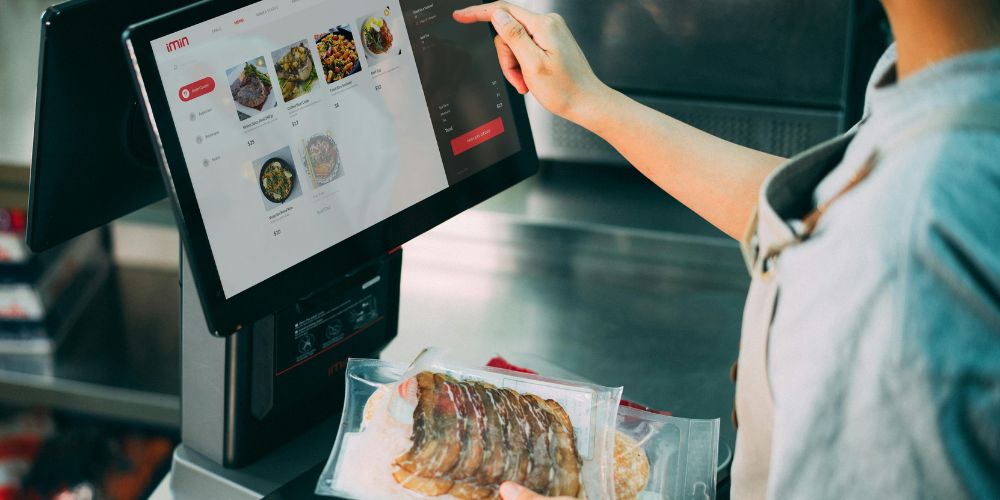
In today’s restaurant industry, technology plays a major role in managing daily operations. One of the most important tools for any restaurant is a Point of Sale (POS) system. A POS system is more than just a way to take orders and process payments—it helps with tracking sales, managing inventory, analyzing business performance, and even improving customer experiences. Choosing the right POS system can make a big difference in how efficiently a restaurant runs.
Restaurants today have many options when it comes to POS systems. The two main choices are traditional POS systems and newer cloud-based solutions like Clover. Traditional POS systems have been used for years and are known for their reliability. On the other hand, newer systems offer flexibility, mobile management, and modern features. Understanding the differences between these systems is essential for restaurant owners who want to improve efficiency and keep up with the competition.
Traditional POS Systems
Traditional POS systems are the classic option that most restaurants have used for decades. These systems are usually installed on physical terminals with touchscreens, cash drawers, receipt printers, and card readers. Everything is connected locally, often through on-site servers. For many restaurant owners, the appeal of traditional POS systems lies in their stability and proven track record. They can handle large volumes of transactions and are often customizable for complex operations.
Despite their strengths, traditional POS systems have some limitations. Since they rely on local servers, they usually cannot be accessed remotely. This makes it harder for restaurant owners to manage operations or check sales when they are away from the restaurant. Additionally, software updates and maintenance can be time-consuming and may require a service visit. Integrating with modern apps for online ordering, marketing, or loyalty programs can also be challenging. These limitations can slow down operations, especially for small and medium-sized restaurants that want more flexibility.
Cloud-Based POS Systems
Cloud-based POS systems, like Clover, are designed to overcome many of the challenges of traditional systems. They allow restaurant owners to access their POS from anywhere with an internet connection. This means managers can track sales, adjust menus, or monitor staff performance remotely. The hardware is also modular, so restaurants can choose what works best for their setup, whether it’s a simple countertop terminal or a larger system with multiple devices.
One of the key benefits of cloud-based systems is their app marketplace. Restaurants can add apps for inventory management, online ordering, employee scheduling, and loyalty programs. This allows for more streamlined operations without needing multiple separate software tools. For example, a small café could manage inventory, take online orders, and reward loyal customers all through a single system. Traditional POS systems often require additional third-party software that may not integrate as smoothly.
Payment Processing
Payment processing is another area where cloud-based systems stand out. Traditional POS systems often require separate merchant accounts and proprietary hardware, which can be expensive and complicated to set up. Cloud-based POS systems combine hardware and payment processing into one solution. They support multiple payment methods, including cards, mobile wallets, and contactless payments, which makes transactions faster and more convenient for customers. Secure handling of payments is also built into the system, giving restaurant owners peace of mind.
Costs and Flexibility
Cost is an important factor when choosing a POS system. Traditional systems usually require a larger upfront investment in hardware but have lower ongoing fees. They are often better suited for large restaurants that need advanced customization. Cloud-based systems like Clover have lower initial hardware costs but require monthly software subscriptions. For small and medium-sized restaurants, this pay-as-you-go model can be more manageable and allows for easier scaling as the business grows.
Another consideration is internet dependency. Cloud-based systems rely on a stable internet connection. If the connection goes down, some features may be limited. Traditional POS systems, which operate locally, can continue processing transactions without the internet, which can be an advantage in areas with unreliable connectivity.
Security and Reliability
Both types of systems are secure, but cloud-based POS systems offer additional advantages in data protection. With cloud systems, sales data, customer information, and inventory records are backed up automatically. This helps protect against hardware failure, theft, or other disasters. Traditional systems rely more on local storage and require careful backup planning to prevent data loss.
Choosing the Right System
Deciding between a traditional POS and a cloud-based system depends on your restaurant’s needs. If you want a reliable system that can operate offline and handle complex operations, a traditional POS may be the right choice. However, if you value flexibility, remote management, and integration with modern apps, a cloud-based system may provide more benefits. Restaurants that are growing or want to improve efficiency will often find that cloud-based solutions are better suited to their long-term goals.
Restaurants can also explore specialized solutions for their industry, like clover for restaurants, which is designed to handle the unique needs of food service businesses. These systems combine flexibility, ease of use, and advanced features that help restaurants operate more efficiently and improve the customer experience.
Conclusion
In summary, both traditional and cloud-based POS systems have advantages and disadvantages. Traditional POS systems are reliable and familiar but may lack flexibility and modern features. Cloud-based systems offer remote access, app integrations, and easier scalability, but they rely on a stable internet connection and involve ongoing subscription costs. The best choice depends on your restaurant’s size, needs, and growth plans. Understanding these differences allows restaurant owners to make informed decisions that improve efficiency, reduce errors, and enhance the overall customer experience. Investing in the right POS system is not just about technology—it’s about creating a foundation for a successful, modern restaurant operation.