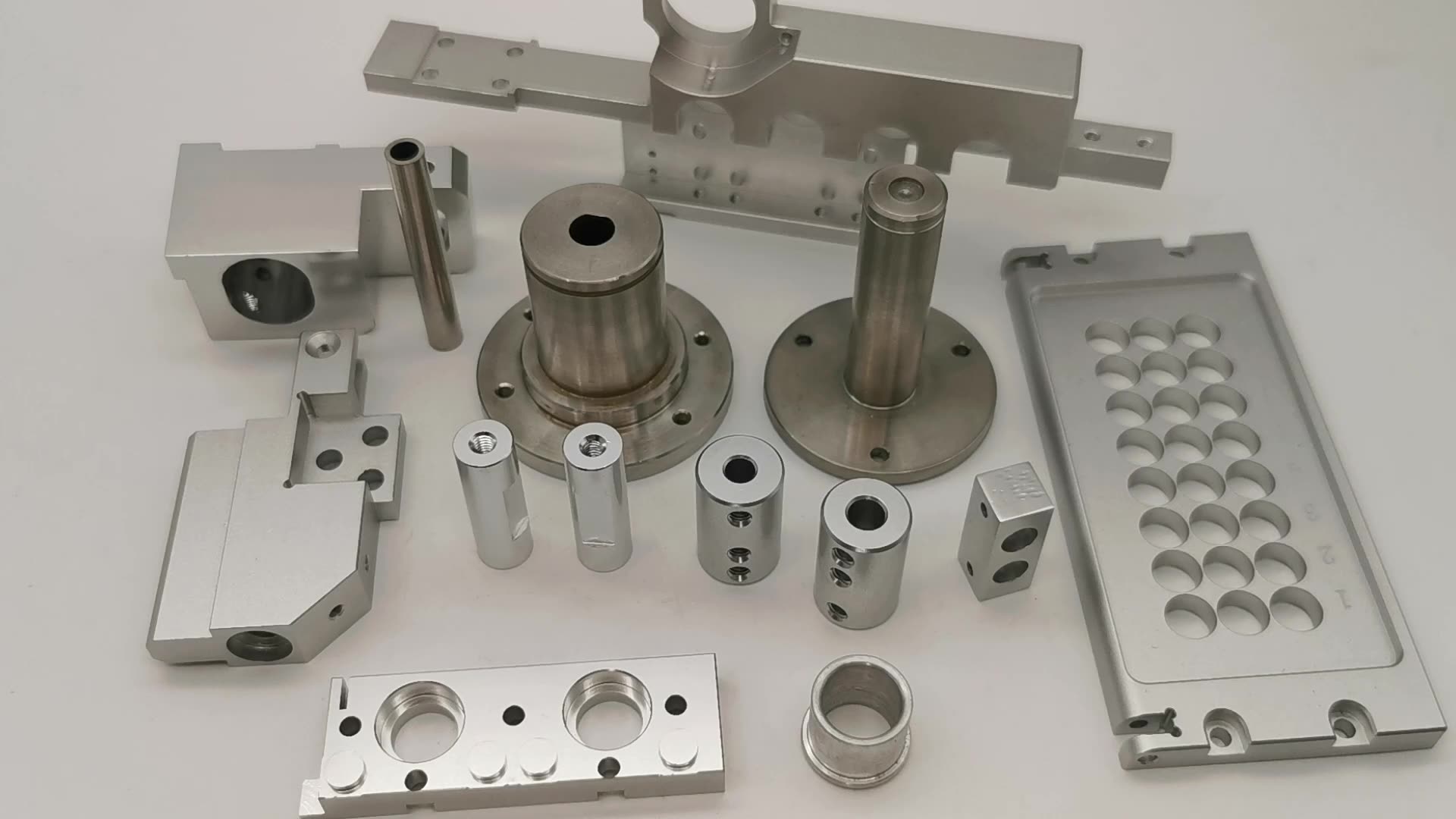
Metal additive manufacturing is rapidly reshaping how industries design, test, and produce functional components. Instead of removing material from a solid block, this advanced method builds parts layer by layer using finely powdered metals and high-energy lasers. The result is a faster, more flexible production process capable of producing custom parts with extreme precision.
Today, engineers and product developers rely on solutions like Yicen 3D metal printing to create functional prototypes, lightweight performance components, and durable end-use parts without traditional tooling or machining constraints.
What Makes Metal 3D Printing Different?
Metal 3D printing transforms digital models directly into physical parts through additive layering. Each layer is fused to form a strong, unified structure with internal geometry that conventional methods cannot produce.
Core Workflow
-
Prepare CAD model
-
Optimize structure for printing
-
Fuse metal powders layer by layer
-
Remove supports
-
Apply finishing such as machining or polishing
This approach reduces waste, eliminates tooling costs, and accelerates development cycles.
Advantages of Metal Additive Manufacturing
Industries adopt metal 3D printing to remove supply chain limitations and gain innovation freedom.
Key Benefits
-
Rapid prototyping with functional durability
-
Reduced material waste and cost efficiency
-
Complex internal geometries and lattice structures
-
Shorter lead times for production
-
Customization without expensive molds or dies
These benefits make it ideal for limited-run products, R&D, and high-performance engineering.
Industries Transforming Through Metal 3D Printing
Various sectors leverage this technology to unlock new capabilities.
Aerospace
Lightweight brackets, heat-resistant components, aerodynamic structures
Outcome: improved fuel efficiency and reduced mass
Medical
Implants, surgical tools, orthopedic fixtures
Outcome: patient-specific customization
Automotive
Performance parts, turbo housing, metal prototypes
Outcome: faster testing and shorter development cycles
Industrial
Tooling inserts, replacement components, mechanical mounts
Outcome: reduced downtime and custom fitment
Why Many Teams Choose Yicen 3D Metal Printing
Modern product teams require precision engineering with adaptable workflows. Solutions like Yicen 3D metal printing support both early-stage prototyping and durable end-use components.
Real-World Use Cases
-
Custom lightweight structures
-
Metal functional prototypes
-
High-strength parts for harsh environments
-
Components with internal channels for fluid or heat flow
This supports innovation across both prototype and production stages.
Popular Materials in Metal 3D Printing
Different alloys perform uniquely in demanding environments.
Commonly Used Metals
| Material | Benefit | Ideal Use |
|---|---|---|
| Stainless Steel | High strength & corrosion resistance | Industrial tools, brackets |
| Titanium | Lightweight & biocompatible | Aerospace, medical |
| Aluminum | Heat-responsive & lightweight | Auto & robotics |
| Inconel | Extreme heat resistance | Turbines, engines |
| Tool Steel | Wear resistance | Dies, molds, tools |
These materials ensure performance across both engineered and commercial products.
Metal 3D Printing vs Traditional Machining
Both techniques have advantages—choosing depends on complexity and volume.
When Metal 3D Printing Wins
-
Internal cooling channels
-
Lightweight lattice designs
-
Complex geometry with fewer assembly points
-
Rapid design changes
When Machining Is Better
-
Large-volume production
-
Extremely tight finishing tolerances
-
Solid, uniform components
Many companies combine both: print the structure, then machine critical surfaces.
How Custom Metal Printing Accelerates Development
Modern engineering demands rapid iteration without sacrificing part strength. Metal 3D printing supports early design phases while allowing a direct transition to production-ready components.
Design Freedom Through Additive Manufacturing
-
Remove the need for multi-part assemblies
-
Reduce mechanical weak points
-
Optimize geometry for strength and airflow
-
Create parts only when needed
This improves performance while lowering cost across the product lifecycle.
The Future of Metal Manufacturing
As industries shift toward digital production, additive technologies will continue replacing legacy workflows. On-demand production reduces inventory, waste, machining time, and tooling expenses. With expanding material options and increasingly accurate printing systems, adoption will accelerate across every engineering sector.
Solutions like Yicen 3D metal printing contribute directly to this shift by offering scalable manufacturing for complex, functional components without delaying development.
Conclusion
Metal 3D printing is more than a prototyping tool it is a production solution that supports fast iteration, efficiency, and high-performance design. Its ability to produce intricate geometries, reduce waste, and eliminate tooling gives industries a powerful path to innovation. As manufacturing continues to evolve, advanced solutions such as Yicen 3D metal printing will help engineers create durable components faster, smarter, and with greater design freedom.