Nothing ruins a hot day faster than an air conditioner that just won’t cool. You crank the thermostat down, wait, and wait, but the room stays stubbornly warm. It’s frustrating, uncomfortable, and sometimes downright unbearable. Before you start thinking about replacing your entire system, it’s worth figuring out why your aircon isn’t doing its job. Often, the problem isn’t as complicated or expensive as you might imagine.
Common Reasons Your Air Conditioner Isn’t Cooling
Dirty or Clogged Air Filters
One of the simplest yet most overlooked causes of poor cooling is a dirty air filter. These filters trap dust, dirt, and allergens, preventing them from entering your home’s air. But when they get clogged, airflow is restricted, making it harder for your aircon to circulate cool air effectively.
Restricted airflow means the system has to work harder, which can lead to overheating and reduced efficiency. In some cases, the evaporator coil can even freeze up because of poor airflow, further reducing cooling performance. Regularly checking and replacing your air filters every 1-3 months can significantly enhance your air conditioner’s efficiency and prolong its lifespan. Moreover, investing in high-quality filters can also improve indoor air quality, making your home a healthier environment for you and your family.
Low Refrigerant Levels
Your air conditioner relies on refrigerant to absorb heat from inside your home and release it outside. If the refrigerant level is low, the system can’t cool the air properly. This often happens due to leaks in the refrigerant lines or connections.
Low refrigerant not only reduces cooling but can also damage the compressor, which is a costly repair. If you notice your AC is running longer than usual without cooling effectively, low refrigerant could be the culprit. It’s essential to have a professional technician check for leaks and recharge the refrigerant to ensure optimal performance. Additionally, understanding the signs of a refrigerant leak, such as hissing sounds or ice buildup on the coils, can help you address the issue before it escalates into a major problem.
Dirty or Blocked Condenser Unit
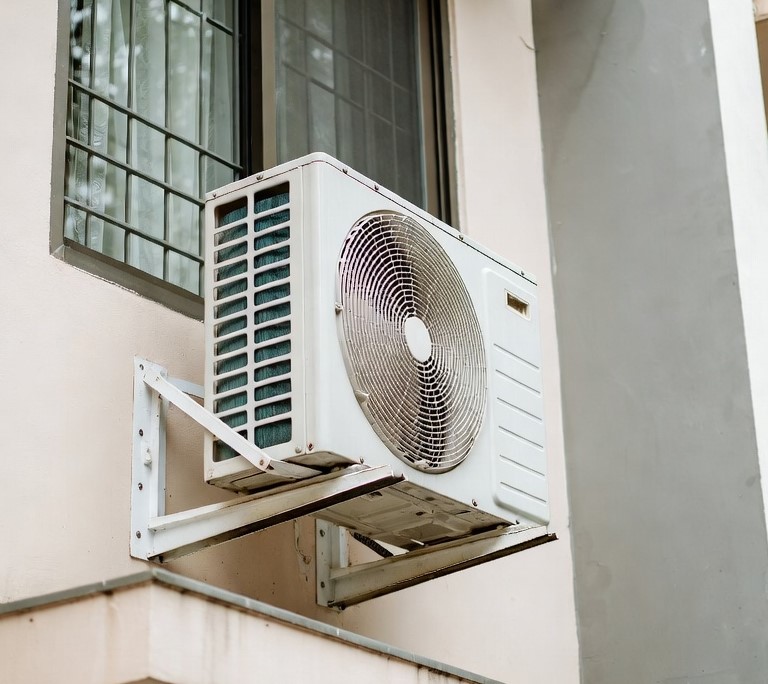
The outdoor condenser unit plays a crucial role in releasing heat absorbed from inside your home. If the condenser coils are dirty or blocked by debris like leaves, grass, or dirt, heat transfer becomes inefficient. This forces the system to work harder and cool less effectively.
Regular cleaning of the condenser unit can prevent this issue. It’s a simple maintenance task that can make a big difference in your AC’s performance. Additionally, ensuring that the area around the condenser is clear of obstructions, such as plants or furniture, allows for better airflow. Scheduling a professional cleaning at least once a year can also help maintain the unit’s efficiency and longevity, keeping your home comfortable during the hottest months. For expert servicing, visit LS Aircon Servicing to ensure your system runs smoothly year-round.
Thermostat Issues
Sometimes, the problem isn’t with the air conditioner itself but with the thermostat. If your thermostat is malfunctioning, it may not be signaling the AC to cool properly. This can happen due to incorrect settings, dead batteries, or faulty wiring.
Check that your thermostat is set to “cool” and at the desired temperature. If it’s a programmable thermostat, ensure the schedule hasn’t been changed accidentally. Replacing batteries or recalibrating the thermostat might resolve the issue. In some cases, upgrading to a smart thermostat can provide better control over your home’s temperature and energy usage, allowing you to monitor and adjust settings remotely for optimal comfort and efficiency.
Leaky or Poorly Insulated Ductwork
Even if your air conditioner is working perfectly, leaky or poorly insulated ducts can cause cool air to escape before it reaches your living spaces. This leads to uneven cooling and higher energy bills.
Inspecting your ductwork for leaks, holes, or disconnected sections and sealing them can improve airflow and cooling efficiency. Adding insulation to ducts in unconditioned spaces, like attics or crawl spaces, also helps maintain the temperature of the air traveling through them. Consider having a professional conduct a ductwork inspection to identify any hidden issues that could be affecting your system’s performance. Properly sealed and insulated ducts not only enhance cooling efficiency but also contribute to a more energy-efficient home, reducing your overall utility costs.
How to Diagnose the Problem Yourself
Check the Air Filter
Start with the easiest fix. Locate your air filter-usually near the air handler or return air vent-and take a look. If it’s covered in dust and dirt, it’s time to replace it. Most filters are inexpensive and easy to swap out. Doing this every 1-3 months during heavy use seasons keeps your system running smoothly.
Inspect the Outdoor Unit
Walk outside and look at the condenser unit. Are there leaves, grass clippings, or dirt piled up around it? Is the coil visibly dirty? Carefully clear away any debris and gently clean the coils with a garden hose if needed. Avoid using high-pressure water, which can damage the fins.
Test the Thermostat
Double-check your thermostat settings. Set it to a temperature lower than the current room temperature and see if the AC kicks on. If it doesn’t, try replacing the batteries or resetting the device. If the problem persists, you might need a professional to test or replace the thermostat.
Feel the Airflow
Turn on your AC and place your hand near the supply vents. Is the air blowing out strong and cold? If the airflow feels weak or warm, the issue could be with the air handler, ductwork, or refrigerant levels.
Look for Ice Buildup
Check the indoor evaporator coil or the refrigerant lines for frost or ice. Ice buildup is a sign of airflow problems or low refrigerant. If you see ice, turn off the AC and let it thaw completely before running it again. Continued icing means it’s time to call a professional.
Simple Fixes You Can Try at Home
Replace or Clean the Air Filter
This is the quickest way to improve cooling. Filters come in various sizes and types, so check your system’s requirements before buying. Disposable filters should be replaced, while some reusable ones can be washed and dried before reinstalling.
Clean the Condenser Unit
Remove debris around the outdoor unit and gently hose down the coils. Make sure the power is off before cleaning to avoid injury or damage. Keeping the area clear of plants and objects ensures good airflow and efficient heat exchange.
Seal and Insulate Ducts
If you notice gaps or holes in your ductwork, use mastic sealant or metal tape to close them. Avoid regular duct tape, which doesn’t hold up well over time. Adding insulation sleeves to ducts in unconditioned areas can prevent cool air from warming up before it reaches your rooms.
Reset or Replace the Thermostat
Sometimes a simple reset can fix thermostat glitches. Check the manufacturer’s instructions for resetting your model. If problems continue, consider upgrading to a newer, more reliable thermostat. Smart thermostats offer better control and efficiency but require a bit of setup.
When to Call a Professional
Refrigerant Issues
Handling refrigerant requires specialized tools and certification. If you suspect a leak or low refrigerant, it’s best to call an HVAC technician. They can identify leaks, repair them, and recharge your system safely and legally.
Electrical or Mechanical Problems
Strange noises, frequent cycling on and off, or failure to start can indicate electrical or mechanical faults. These issues often need professional diagnosis and repair to avoid further damage or safety hazards.
Compressor or Motor Failures
The compressor and motors are the heart of your air conditioner. When they fail, repairs can be costly and complicated. A professional can assess whether repair or replacement makes more sense based on your system’s age and condition.
Preventive Maintenance Tips to Keep Your Aircon Cooling Efficiently
Regular Filter Changes
Changing or cleaning your air filter every 1-3 months during peak use keeps airflow steady and prevents strain on your system.
Seasonal Professional Tune-Ups
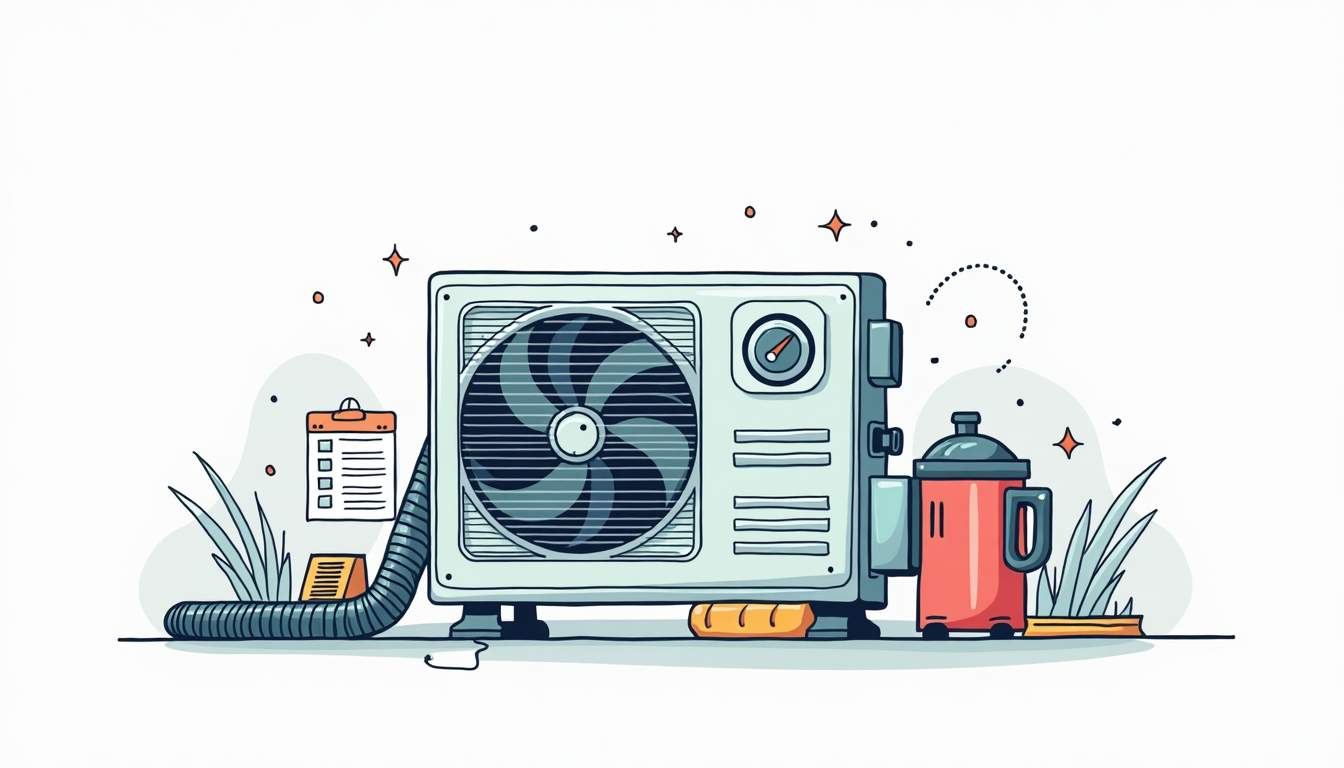
Having a qualified technician inspect and service your air conditioner before summer and after winter can catch small problems before they become big ones. This includes checking refrigerant levels, cleaning coils, inspecting electrical components, and testing system performance.
Keep the Outdoor Unit Clear
Trim plants and remove debris around the condenser unit regularly. Avoid placing objects on or near it to maintain proper airflow.
Monitor Thermostat Settings
Use programmable thermostats to avoid running your AC unnecessarily. Setting the temperature a few degrees higher when you’re away can save energy and reduce wear on your system.
Seal and Insulate Your Home
Prevent cool air from escaping by sealing windows, doors, and ductwork. Proper insulation keeps your home comfortable and reduces the load on your air conditioner.
Understanding When Replacement Is the Best Option
If your air conditioner is more than 10-15 years old and frequently breaks down, it might be time to consider a replacement. Older units tend to be less efficient and use outdated refrigerants that are being phased out. Newer models offer better energy efficiency, quieter operation, and improved cooling performance.
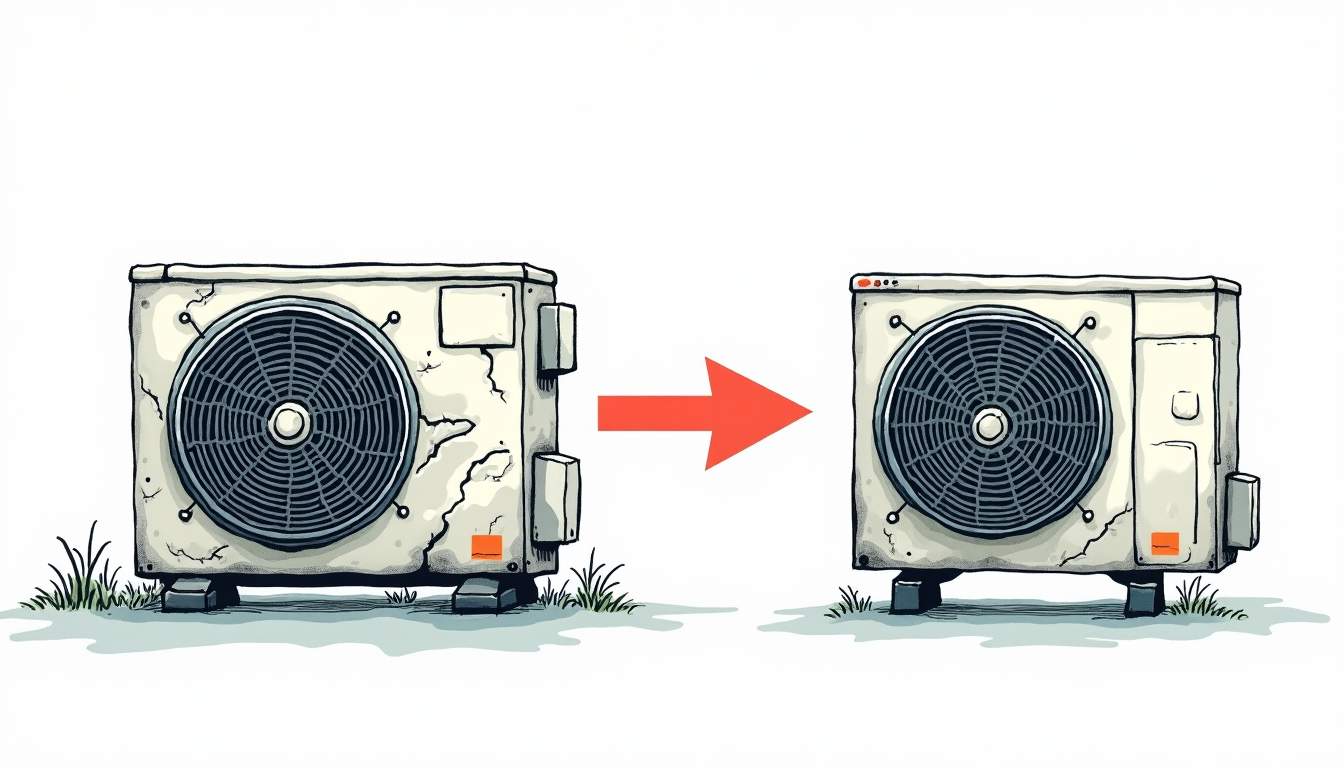
Replacing your aircon can seem expensive upfront, but the savings on energy bills and repair costs often make it worthwhile in the long run. Plus, modern systems are better for the environment and may qualify for rebates or tax incentives.
Final Thoughts
When your air conditioner isn’t cooling properly, it’s tempting to panic or call for expensive repairs immediately. But many common issues are easy to identify and fix on your own. Start with the basics: check and replace filters, clean the outdoor unit, and verify thermostat settings.
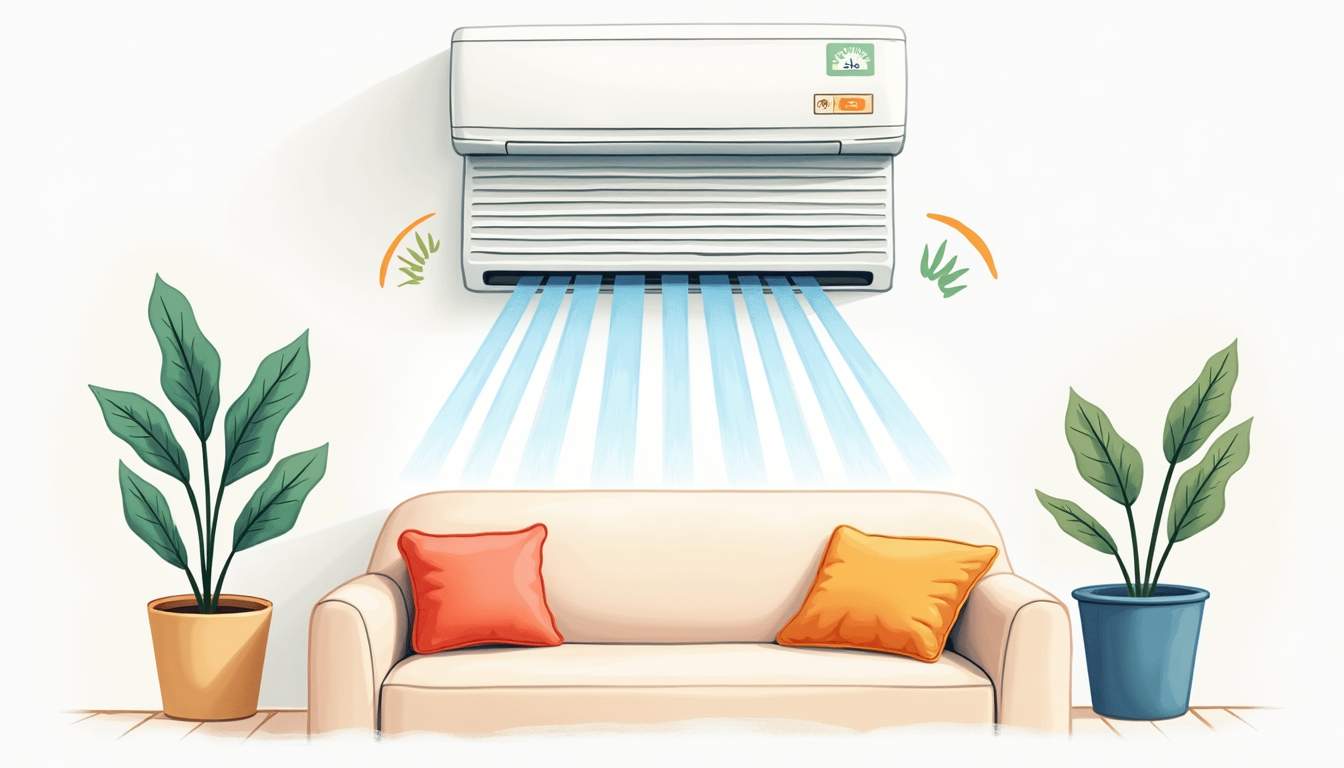
If problems persist, don’t hesitate to bring in a professional. Proper diagnosis and timely maintenance can extend the life of your aircon and keep your home comfortable all summer long. Remember, a well-maintained air conditioner is not just about comfort-it’s about saving money and energy too.