When you think about workplace safety, you might picture wearing a hard hat or high-visibility vest, but there’s another silent hero: machine guarding. These protective barriers stand between workers and powerful machines, saving lives every single day. However, there’s one secret that truly makes machine guarding programs work — involving the people who use them.
In this article, we’ll walk through why worker input is the key to an effective guarding program, how to design one step by step, and why building a culture of participation around safety pays off. Let’s break it down in simple words everyone can understand.
You might have also heard about the NEBOSH course fees in Pakistan, which come into play when employers and safety professionals seek formal health and safety training to back up these machine guarding practices. Investing in such safety training is vital to build the knowledge needed to run a solid safety program — one that genuinely protects people rather than just checking boxes.
Why Machine Guarding Matters So Much
Let’s be real. Industrial machines can chew through steel — so imagine what they could do to a human arm or hand. That’s why guarding is so critical. It protects people from dangerous moving parts, flying objects, sparks, or crushing hazards.
Yet here’s where many companies get it wrong: they install the guards and assume the job is done. Workers might then bypass those guards or remove them, finding them awkward or slowing down production. That’s why involving workers from day one is so important.
Consider this: would you feel safer driving a car designed by someone who never drove a day in their life? Exactly. Workers are the best source of knowledge about how machines really operate and where risks happen.
The Power of Worker Involvement in Guarding Programs
Think of workers as experts in their own world. They know exactly:
- Where their hands tend to go
- Which movements are routine
- Which awkward postures they use to reach controls
- When guards might slow them down
This knowledge is pure gold. When you involve them in machine guarding design, you build trust, respect, and solutions that actually work.
I remember a story from a small food packaging plant. They installed a fixed guard on a conveyor line, but workers kept removing it because it made clearing jams impossible. Finally, the supervisor invited the crew to design a better solution. Together, they created an interlocked guard that automatically stopped the machine for cleaning but restarted with a key. Problem solved — and no one got hurt.
Step-by-Step: Building a Worker-Driven Machine Guarding Program
Let’s break down exactly how you can build a guarding program that works — with full worker involvement.
Step 1: Build a Safety Team
Gather a team that includes:
- A safety manager
- Maintenance staff
- Supervisors
- Machine operators
This way, you combine technical knowledge with the hands-on know-how of those who use the equipment.
Step 2: Identify Hazards Together
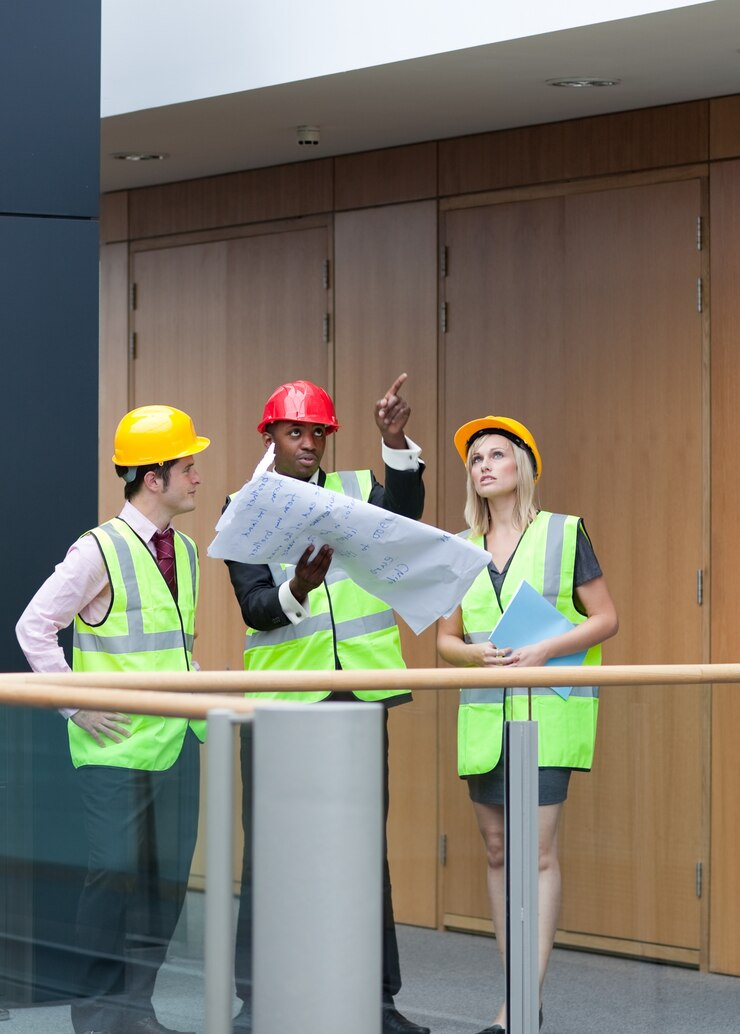
Walk around the worksite with the team. Let the workers talk you through:
- Where jams happen
- Where they clean
- Where they reach in
- Where parts might fly off
Make it a conversation. Workers will often mention things managers overlook.
Step 3: Map Out Guarding Needs
Document every hazard. For each one, ask:
- Can we fully enclose it?
- Should it have an interlock that stops the machine?
- Will it need adjustable guarding?
Workers can test out mockups or sketches to help you decide what’s practical.
Step 4: Design for Ease of Use
One reason machine guards fail is they make a worker’s life miserable. So build features like:
- Quick-release latches
- Transparent panels to see inside
- Easy access for cleaning
If guards are easy to work with, workers will never feel tempted to bypass them.
Step 5: Train and Empower
Training matters. Workers should not only learn how guards work, but also how to spot problems and report them right away. Training courses, such as those included in programs with reasonable NEBOSH course fees in Pakistan, can boost skills and create a strong safety mindset across the team.
Step 6: Audit and Improve
Finally, treat machine guarding as a living program. Every so often, do a safety walkthrough with the same team. Look for:
- Guards that are missing
- Guards that have been modified
- Machines that changed tasks
Involve workers in inspections and audits, too. Their input is just as valuable over time as on day one.
Overcoming Resistance to Worker Input
You might hear someone say, “We don’t have time to talk to the operators about this — let’s just install the guard!” But ignoring worker input is a big mistake.
Let me tell you about another workplace where workers repeatedly disabled a fixed guard on a cutting machine. Management blamed workers for “not following the rules.” But once they actually listened, they discovered the guard blocked visibility. They redesigned it with clear polycarbonate panels, and the complaints disappeared overnight.
When workers feel respected and heard, they become active partners. That means fewer accidents, lower downtime, and fewer surprise costs from injuries.
Building a Culture of Safety
Machine guarding shouldn’t exist in a bubble. If your workplace safety culture is weak, even the best guards will get bypassed. A culture of safety happens when everyone — from the CEO to the apprentice — treats safety as part of their job.
Ways to build that culture include:
- Rewarding near-miss reports instead of punishing them
- Talking about safety every single day
- Recognizing workers who make suggestions
- Backing up your words with action — fixing hazards quickly
When workers see their suggestions turn into real change, trust builds. Trust is the ultimate safety booster.
The Role of Training
Many companies look for professional development through the NEBOSH course duration and fees in Pakistan, which provides a recognized safety qualification. While machine guarding is just one part of the syllabus, courses like these help employers and workers alike understand hazard recognition and risk control.
Workers trained through such programs can spot problems before they turn into tragedies. So if you ever doubted the value of formal safety education, think again. Well-trained teams save lives.
Read more about the NEBOSH course duration and fees in Pakistan to see how these programs can help you build a world-class safety system.
The Bottom Line
A great machine guarding program is not just about metal barriers and switches. It’s about people: their hands, their voices, and their experience. If you include workers from the first step, you’ll get guarding systems that stay in place, keep everyone safe, and keep production moving.
There’s no question: machines will always be dangerous. But workers — the very people whose lives are on the line — are your best resource to tame that danger.
So build your program with them, not for them. Listen. Test. Improve. And watch safety transform from a rule into a shared mission.
Final Thoughts
Machine hazards in the workplace are nothing to shrug off. The good news is, you don’t have to solve these problems alone. Workers hold the keys to safer, smarter, and more practical solutions. With their help, you can build a machine guarding program that actually works, not just on paper but in the real world.
If you’re thinking of upskilling yourself or your team, exploring options like the NEBOSH course fees in Pakistan might give you a solid foundation for handling hazards across the board — including machine guarding.