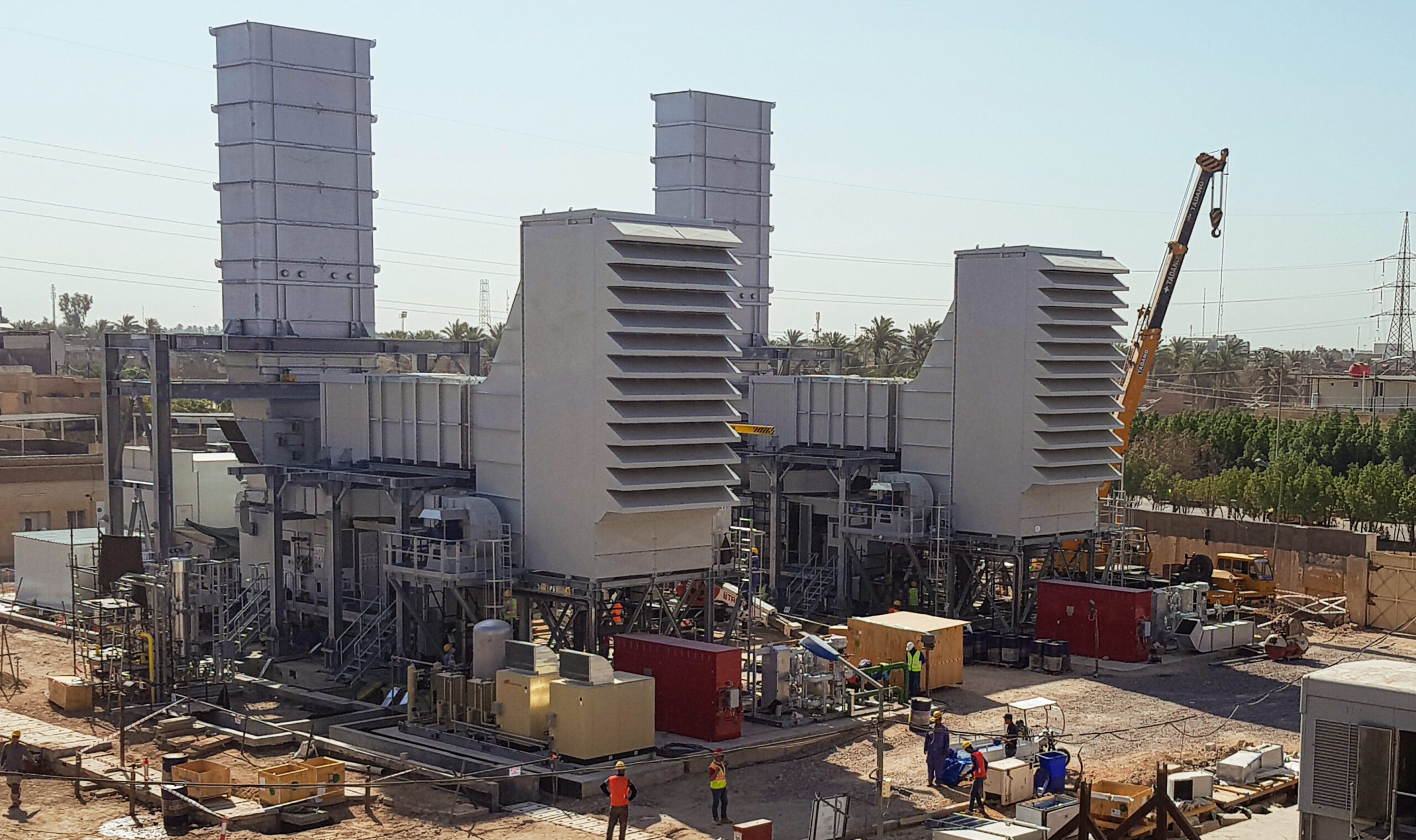
The Engineering, Procurement, and Construction (EPC) model has become the cornerstone of major infrastructure development initiatives across Iraq, with EPC Projects in Iraq representing a strategic approach to delivering complex facilities from conception to completion. This integrated project delivery method combines design expertise, procurement efficiency, and construction excellence under a single contractual framework, providing clients with streamlined project management and accountability. The EPC approach has proven particularly valuable in Iraq’s challenging operational environment, where coordinated expertise and comprehensive project oversight are essential for successful infrastructure development across diverse sectors including energy, petrochemicals, transportation, and industrial manufacturing.
Understanding the EPC Project Framework
The EPC model represents a fundamental shift from traditional project delivery methods, consolidating responsibility for engineering design, equipment procurement, and construction activities under unified management. This approach eliminates the complexities associated with managing multiple contractors and suppliers, providing clients with a single point of contact throughout the entire project lifecycle.
Engineering phases encompass detailed design development, technical specifications, and regulatory compliance documentation. The procurement component involves sourcing specialized equipment, materials, and components from global suppliers while ensuring quality standards and delivery schedules align with project requirements. Construction activities integrate all previous phases into physical facility development, incorporating quality assurance protocols and safety management systems throughout the building process.
Strategic Advantages of EPC Implementation
The integrated nature of EPC project delivery offers significant advantages in Iraq’s complex regulatory and operational environment. Risk allocation becomes more efficient when a single entity assumes responsibility for project outcomes, reducing the potential for disputes between different contractors and ensuring coordinated problem-solving approaches.
Cost predictability improves substantially under EPC arrangements, as comprehensive project scoping and integrated planning reduce the likelihood of budget overruns and schedule delays. Fixed-price contracts provide clients with financial certainty while incentivizing contractors to optimize project efficiency and resource utilization.
Schedule optimization benefits from coordinated planning across all project phases, with engineering design, procurement activities, and construction preparation proceeding simultaneously rather than sequentially. This parallel processing approach significantly reduces overall project timelines while maintaining quality standards and safety compliance.
Sector Applications and Project Types
Energy sector applications represent a significant portion of EPC activity, encompassing power generation facilities, oil and gas processing plants, and renewable energy installations. These projects require specialized expertise in high-pressure systems, hazardous material handling, and continuous operation requirements that demand precise engineering and construction standards.
Industrial manufacturing facilities utilize EPC delivery for petrochemical plants, cement production facilities, and steel processing operations. These complex installations require sophisticated process engineering, specialized equipment integration, and extensive utility infrastructure that benefits from coordinated project management.
Transportation infrastructure projects, including airports, port facilities, and logistics centers, leverage EPC approaches to integrate multiple systems and technologies into cohesive operational facilities. These projects often involve coordination with government agencies and regulatory bodies that require comprehensive project documentation and compliance management.
Technology Integration and Digital Solutions
Modern EPC project delivery increasingly incorporates advanced digital technologies that enhance project planning, execution, and monitoring capabilities. Building Information Modeling (BIM) enables comprehensive facility visualization and clash detection before construction begins, reducing costly modifications and rework during implementation phases.
Project management software platforms provide real-time visibility into project progress, resource allocation, and performance metrics across all project phases. These systems facilitate proactive decision-making and enable rapid response to changing project conditions or client requirements.
Supply chain management technologies optimize procurement activities through automated vendor qualification, competitive bidding processes, and logistics coordination that ensures timely delivery of materials and equipment to construction sites.
Quality Assurance and Risk Management
EPC project delivery requires comprehensive quality management systems that ensure compliance with international standards and client specifications. Quality control protocols must address design verification, material testing, construction inspection, and commissioning procedures that validate facility performance before handover.
Risk management strategies encompass technical risks related to design complexity, commercial risks associated with cost and schedule performance, and operational risks related to safety and environmental compliance. A thorough risk assessment and mitigation strategy are necessary for the successful completion of an EPC project.
Insurance and bonding requirements for EPC projects typically exceed those for traditional construction contracts, reflecting the comprehensive nature of project responsibilities and the higher stakes associated with integrated project delivery.
Local Capacity Building and Skills Development
EPC Projects in Iraq often incorporate workforce development components that build local technical capacity and create employment opportunities for Iraqi professionals. Training programs associated with major projects transfer valuable skills in project management, technical disciplines, and specialized construction techniques.
Technology transfer initiatives ensure that advanced engineering and construction methods become part of Iraq’s long-term technical capabilities, supporting future project development and reducing dependence on international expertise for routine activities.
Economic Impact and Investment Attraction
The EPC model has proven effective in attracting international investment and expertise to Iraqi infrastructure projects. The comprehensive risk allocation and performance guarantees associated with EPC contracts provide investors with confidence in project outcomes and financial returns.
Foreign direct investment flows associated with major EPC projects contribute significantly to economic growth and job creation, while technology transfer and skills development initiatives build long-term competitive advantages for Iraq’s industrial sectors.
Conclusion
The continued growth and sophistication of EPC Projects in Iraq reflects the model’s effectiveness in delivering complex infrastructure development under challenging conditions. As Iraq continues to modernize its industrial base and expand economic diversification efforts, the EPC approach provides a proven framework for managing large-scale projects that require coordinated expertise across multiple disciplines. The success of these initiatives depends on selecting experienced contractors who understand both international best practices and local operational requirements, ensuring that projects contribute to Iraq’s long-term economic development goals.