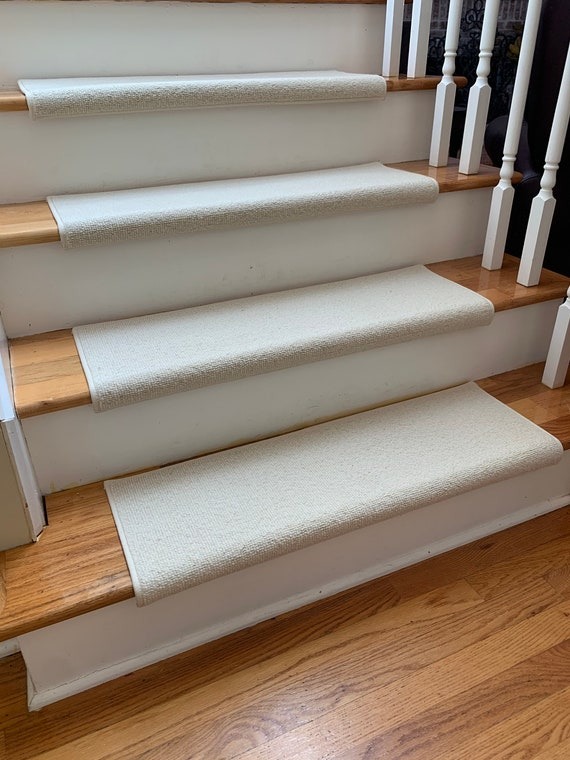
Stair risers are an essential component of any multi-story building. Although Stair Treads the horizontal surfaces you step on are familiar to everyone, stair risers are concealed for their equally important structural and aesthetic functions. Whether you are constructing a new staircase or repairing an old one, understanding what stair risers are and why they are necessary is necessary for safety, beauty, and functionality.
What Are Stair Risers?
Stair risers are the vertical studs between two successive stair treads. In open-riser stairs, these vertical pieces are eliminated, allowing for a more light, contemporary look, albeit at the expense of safety and codes.
- Tread: That horizontal surface you walk on.
- Riser: That vertical surface between two treads.
So, if you’re climbing a staircase, you’re walking from one tread to another, and the riser is the surface that raises your foot up to the next level.
Why Are Stair Risers Important?
Stair risers are more than a filler piece—they’re crucial to the overall safety, composition, and appearance of the staircase.
Structural Integrity
The riser holds the front face of every tread, distributing weight evenly and avoiding sag or flex when used. Without risers, every tread would have to be supported in another form, which would complicate design and raise material costs.
In wood, concrete, or metal conventional staircases, the riser contributes to creating a stiff, box-like structure that resists deflection and provides a robust, durable staircase.
Safety and Code Compliance
Most codes in jurisdictions stipulate that the height of stair risers must be within defined limits to promote comfort and safety. Irregular or non-uniform riser height is extremely easy to trip over or step over while walking, thus leading to accidents.
Primary safety advantages of risers are:
Uniformity: Building codes usually stipulate that the height of risers must remain uniform in every step. Even a slight variation is enough to inhibit an individual’s stride while walking.
Prevention of falls: Appropriately assigned and visible risers assist in visually defining the step, hence avoiding falls.
Child and pet safety: In closed-riser stairs, there are no open gaps; hence, young children and pets susceptible to falling through open risers are safe.
Aesthetic Value
A riser provides a blank space that can provide aesthetic beauty to a staircase. Stair Risers are used by homeowners and designers incorporating decorative details such as
- Stained or painted risers to match the treads
- Decorative molded tiles for the old-world or Mediterranean style
- Wall decal or wallpaper to personalize the design
- Carpet runners down the tread and riser for texture and warmth
Risers utilized creatively can transform a plain staircase into a focal point that ties in with the interior design style.
Acoustic Benefits
Closed risers also serve as sound dampeners, particularly on wood staircases. With risers, the impact of noise caused by walking is greatly diminished. Open-riser staircases, however, project sounds like there is no vertical barrier.
In bedrooms where silence is crucial, like those where bedrooms are located near the stairs—closed risers can be highly effective for everyday comfort.
Enclosure and Utility
Risers also seal in the staircase, keeping garbage from falling through and concealing the underside of stairs. Risers also provide storage possibilities, especially in newly manufactured staircases in which each riser can function as a shelf or drawer, especially in space-constrained environments such as tiny houses or apartments.
Customization and Functionality
As design evolves, stair risers are now designed with multifunctionality:
Lighting: LED strips inside risers can light up the stairs for safety and ambiance.
Integrated storage: Some designs provide pull-out drawers inside the risers to store shoes, books, or other miscellaneous things.
Smart risers: In smart homes, stair risers can have motion sensors, lighting control, or even digital decorative screens.
Considerations When Choosing Stair Risers
When planning or remodeling stairs, remember the following about risers:
Material: Wood, MDF, metal, concrete, and tile are common materials for risers. Each of these defines the price, maintenance, and look of the staircase.
Depth of tread and riser height: These must be proportional to create a comfortable walking experience.
Open vs. closed risers: Open risers provide a sleek appearance but could be banned under some building codes, especially for residential stairs. Read This
Riser stair details might appear to be a small thing, but they are an important aspect of stairway design. They bear the weight of the stair treads, provide safety, provide aesthetic possibilities, and help with noise dampening and usability. Whether you’re designing a beautiful staircase for a new home or replacing an older set of stairs, don’t miss the contribution that well-planned risers can make. Scheduling of risers is what guarantees a staircase will not only be lovely but also safe and long-lasting to use.