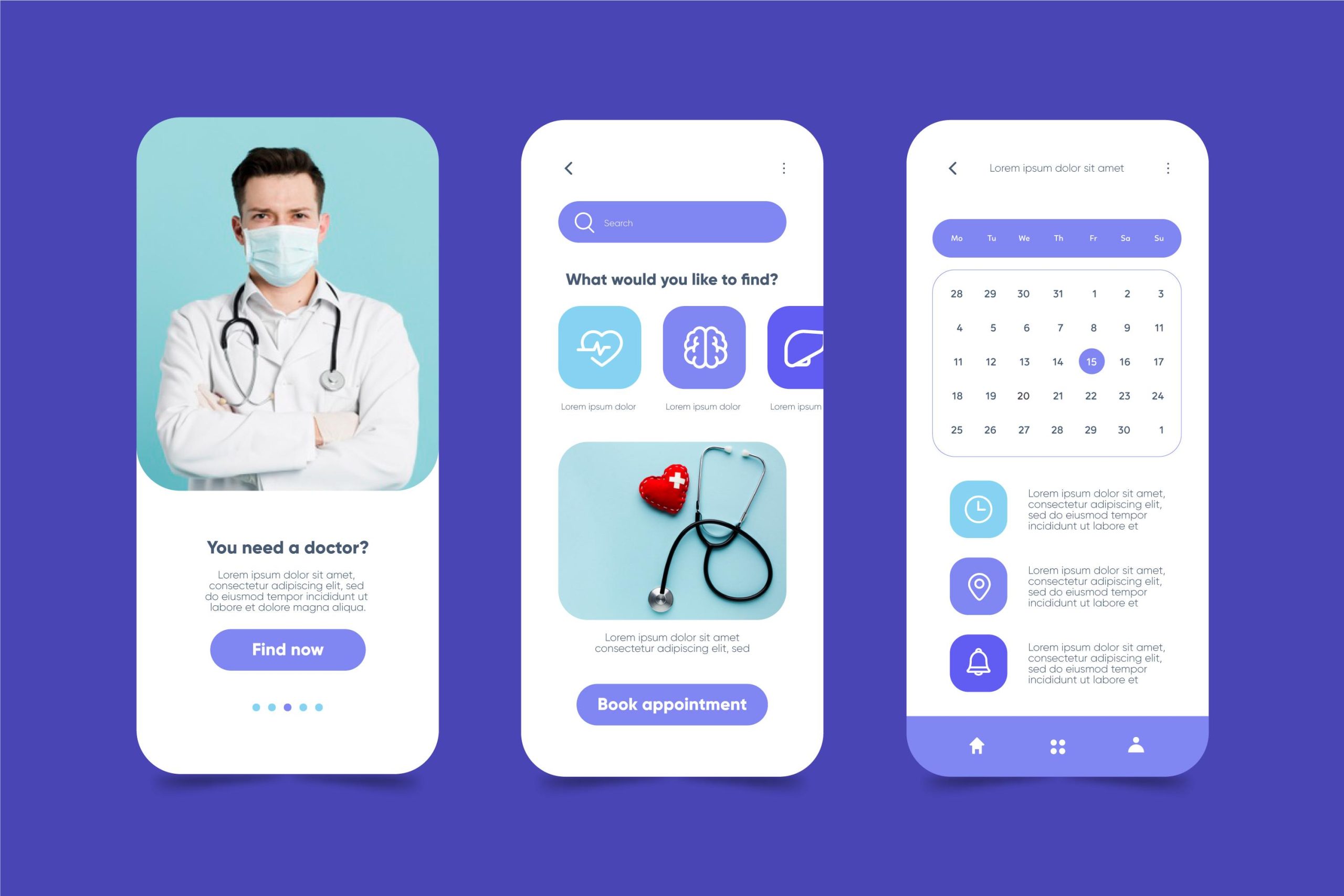
With the rise in healthcare awareness and the increasing demand for convenience, medicine delivery apps are transforming the way people access their prescribed drugs. Whether you live in a busy urban center or a remote town, the ability to order medicines from your phone and have them delivered at your doorstep is becoming a necessity. In this blog, we will explore the complete flow of a medicine delivery app, its essential components, and how it supports customers, pharmacists, and delivery partners. If you are a business owner or startup planning to invest in this solution, understanding this flow is essential.
Introduction to medicine delivery and its growing demand
The need for online medicine delivery has grown significantly over the past few years. Factors such as aging populations, chronic health conditions, and busy lifestyles have pushed people to look for digital solutions that are both fast and reliable. Moreover, events like the COVID-19 pandemic accelerated the digital transition of pharmacies. As a result, many businesses have started partnering with a medicine delivery app development company to create robust and user-friendly platforms. These apps make the process of accessing healthcare products seamless and secure.
User registration and profile management module
The first step in the flow of a medicine delivery app is user onboarding. When a user downloads the app, they must register with their phone number, email address, or social login. This module collects essential user data such as name, age, delivery address, and medical history if required. It also allows users to upload prescriptions and manage their health profiles. User authentication is vital for compliance with regulations and for ensuring personalized experiences.
Medicine browsing and product catalog features
Once registered, users can browse the digital catalog of medicines. This catalog is designed to show a wide range of pharmaceutical products, including prescription drugs, over-the-counter medicine, health supplements, and personal care items. The app should have advanced search filters to help users find medicines by brand, symptoms, composition, or category. Each product listing should contain detailed information such as dosage, price, manufacturer, expiry date, and prescription requirement.
Uploading prescriptions and pharmacist approval process
A unique and essential part of the medicine delivery app is the feature to upload prescriptions. In many countries, selling prescription drugs without proper verification is illegal. The app allows users to take a photo or upload a scanned copy of the prescription, which is then reviewed by a licensed pharmacist. After verification, the medicines are approved for purchase. This manual verification step ensures legal compliance and builds user trust in the platform.
Cart management and secure payment integration
After selecting the medicines, users move to the cart and checkout process. This module should offer features like quantity updates, coupon application, delivery date selection, and order summary. The app must integrate secure payment gateways for debit cards, credit cards, wallets, and net banking. A reliable payment system ensures that transactions are smooth and that users feel confident in using the app repeatedly. Payment options like Cash on Delivery may also be offered based on customer location.
Real time order tracking and delivery assignment
After successful order placement, the system assigns a delivery executive automatically or manually depending on the logistics model. The app sends real-time updates to the customer about the status of the order such as packed, dispatched, out for delivery, and delivered. Customers can track their order on a map and communicate with the delivery agent if needed. This module also includes an estimated time of delivery based on distance and traffic conditions. Effective logistics coordination is key in on demand delivery app development projects.
Admin panel and pharmacy inventory management
The admin dashboard is the core control center of a medicine delivery app. It allows the platform owners or administrators to manage customers, pharmacies, delivery staff, payments, offers, and analytics. Pharmacy partners can add new medicines, update stock availability, set prices, and check prescription uploads. Effective inventory management ensures that customers do not face issues like unavailable stock or delayed deliveries. This section of the app also enables sales tracking, reporting, and user management for long-term growth.
Customer support and order feedback collection
After delivery, the app prompts the user to provide feedback and rate the delivery experience. This helps improve service quality and holds delivery agents accountable. Additionally, customer support features like live chat, FAQs, email tickets, and call back options are important for resolving issues quickly. Customer satisfaction is closely linked to how well the support system handles complaints and queries. Integrating AI chatbots can further improve response times and reduce the load on human agents.
Benefits of partnering with a development company
For businesses interested in launching a medicine delivery app, working with an experienced medicine delivery app development company is crucial. Such companies have domain knowledge, design expertise, and a technical team that understands regulations and compliance. They help you choose between building a custom solution or using a readymade app model to save development time. A good development partner ensures scalability, security, and a seamless user experience across devices. In addition, they offer Mobile App Development Services to support iOS and Android platforms.
Conclusion and future of medicine delivery apps
The medicine delivery market is growing rapidly, and its evolution will continue with technologies like AI, teleconsultations, and drone deliveries. Whether you are a pharmacy chain, a healthcare startup, or an entrepreneur, entering this domain offers great potential. But success depends on understanding the complete app flow, from user registration to final delivery and customer support. A well-planned app can bring convenience to users and generate long-term revenue for businesses.