
Cities across the globe are experiencing unprecedented transformations in how people move through urban environments, driven by technological innovation, environmental consciousness, and fundamental shifts in work patterns and lifestyle preferences. The traditional model of car-centric urban planning is giving way to complex, multi-modal transportation ecosystems that prioritize flexibility, sustainability, and efficiency over individual vehicle ownership.
This evolution reflects deeper changes in urban demographics, economic structures, and social values that are reshaping how cities function and grow. Younger generations increasingly view transportation as a service rather than a possession, while environmental concerns drive demand for cleaner, more efficient mobility solutions. Remote work trends have altered commuting patterns, creating new challenges and opportunities for urban transportation planners.
The COVID-19 pandemic accelerated many of these trends, forcing cities to rapidly adapt their transportation systems to accommodate social distancing requirements while maintaining essential mobility services. These adaptations revealed both the fragility and resilience of urban transportation networks, highlighting the need for more flexible, responsive systems that can adapt to changing circumstances while serving diverse population needs.
Digital Platforms Revolutionizing Movement Patterns
The rise of smartphone-based transportation apps has fundamentally altered how people navigate urban environments, creating seamless connections between different modes of transport and providing real-time information that enables more efficient travel decisions. These digital platforms have transformed transportation from a series of disconnected services into integrated networks that users can access through single interfaces.
Mobility-as-a-Service platforms are emerging as comprehensive solutions that combine public transit, ride-sharing, bike-sharing, and other transportation options into unified systems. Users can plan, book, and pay for multiple transportation modes through single apps, reducing friction and encouraging multi-modal travel patterns that optimize efficiency and cost-effectiveness.
The data generated by these digital platforms provides unprecedented insights into urban mobility patterns, enabling cities to make more informed decisions about infrastructure investments, service routing, and capacity planning. This data-driven approach to transportation planning represents a significant shift from traditional methods that relied on periodic surveys and observational studies.
Environmental Pressures Driving Sustainable Solutions
Growing awareness of transportation’s environmental impact is pushing cities toward cleaner, more sustainable mobility solutions that reduce carbon emissions, air pollution, and resource consumption. Electric vehicles, from personal cars to public buses, are becoming increasingly common as battery technology improves and charging infrastructure expands.
Active transportation modes, including walking, cycling, and micro-mobility options like e-scooters, are gaining prominence as cities recognize their environmental benefits and positive health impacts. Urban planners are redesigning streets to prioritize pedestrians and cyclists, creating protected bike lanes, pedestrian-only zones, and green corridors that make non-motorized transportation safer and more appealing.
The shift toward sustainable transportation is also driving innovation in public transit systems, with cities investing in electric buses, light rail systems, and other clean energy solutions. These investments require significant upfront capital but offer long-term benefits in terms of reduced operational costs, improved air quality, and enhanced quality of life for urban residents.
Economic Models Reshaping Ownership Concepts
Traditional transportation ownership models are being disrupted by sharing economy concepts that prioritize access over ownership, creating new economic frameworks that can provide mobility services more efficiently and affordably. Car-sharing programs, bike-sharing systems, and ride-hailing services are reducing the need for individual vehicle ownership while providing flexible transportation options.
These new economic models are particularly appealing to younger urban residents who often view car ownership as financially burdensome and environmentally irresponsible. The total cost of vehicle ownership, including insurance on a bus routes and other public transportation alternatives, often exceeds the cost of using various shared mobility services, making ownership less attractive for many urban dwellers.
The sharing economy approach to transportation is also creating new revenue streams for cities and private operators, while reducing the need for parking infrastructure and freeing up urban space for other uses. This economic efficiency is driving adoption of shared mobility solutions and encouraging further innovation in transportation service delivery.
Demographic Shifts Creating New Mobility Demands
Aging populations in many developed cities are creating demand for transportation services that accommodate reduced mobility, while young professionals increasingly seek flexible, on-demand transportation options that fit their dynamic lifestyles. These demographic trends are pushing cities to develop more inclusive transportation systems that serve diverse needs.
The growing diversity of urban populations is also creating demand for transportation services that connect different neighborhoods and communities, ensuring that mobility options are equitable and accessible to all residents regardless of income level or geographic location. This focus on transportation equity is becoming a key consideration in urban planning decisions.
Remote work trends are altering traditional commuting patterns, reducing peak-hour congestion while creating new demand for flexible transportation options that support varied work schedules and lifestyle patterns. Cities are adapting their transportation systems to accommodate these changing patterns while maintaining efficient service delivery.
Infrastructure Adaptation Challenges and Opportunities
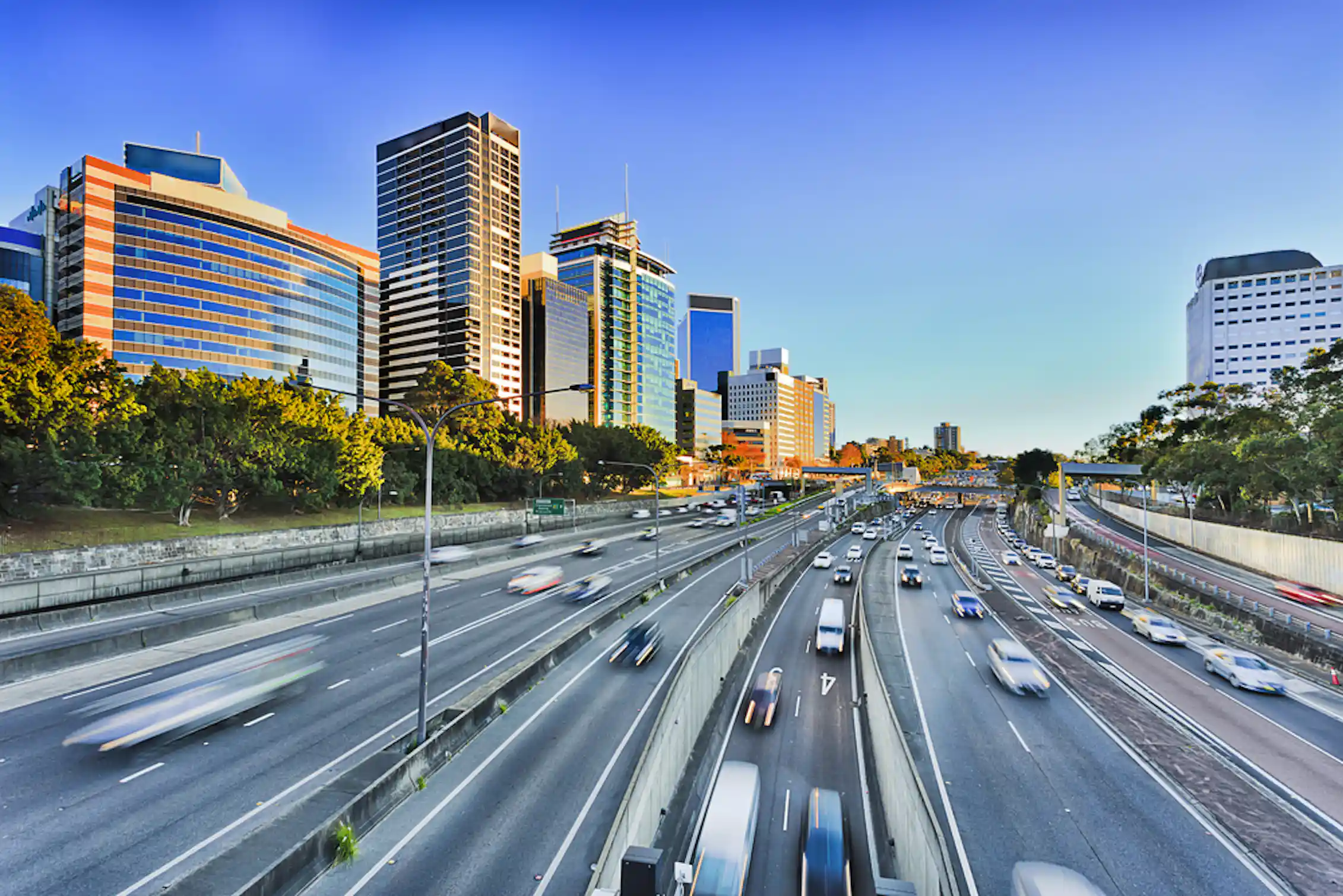
Existing transportation infrastructure in many cities was designed for different mobility patterns and technologies, creating challenges for implementing new transportation solutions while maintaining service quality. Streets designed for automobiles must be adapted to accommodate bike lanes, bus rapid transit, and pedestrian improvements.
The integration of new technologies like autonomous vehicles, smart traffic management systems, and electric charging infrastructure requires significant infrastructure investments and coordination between various stakeholders. Cities must balance the need for innovation with the practical challenges of upgrading existing systems.
These infrastructure challenges also present opportunities for cities to reimagine their transportation networks and create more efficient, sustainable systems. Complete street redesigns can improve safety, reduce environmental impact, and create more pleasant urban environments that support economic development and quality of life improvements.
Regulatory Frameworks Adapting to Innovation
Traditional transportation regulations were developed for simpler systems and are often inadequate for addressing the complexities of modern urban mobility. Ride-sharing services, e-scooter deployments, and other innovative transportation options often operate in regulatory gray areas that cities struggle to address.
New regulatory approaches are emerging that focus on outcomes rather than specific technologies or service models, allowing for innovation while ensuring safety and service quality. These performance-based regulations can accommodate rapid technological change while maintaining necessary oversight and consumer protection.
The development of appropriate regulatory frameworks requires collaboration between cities, transportation providers, and other stakeholders to ensure that new mobility options contribute to overall transportation system goals rather than creating additional problems or inequities.
Safety Considerations in Evolving Transportation Systems
The integration of new transportation modes and technologies creates both opportunities and challenges for urban safety. While some innovations like autonomous vehicles promise to reduce accidents caused by human error, the mixing of different transportation modes on shared infrastructure can create new safety concerns.
Cities are developing comprehensive safety strategies that address the unique risks associated with different transportation modes while promoting overall system safety. This includes infrastructure improvements, education programs, and enforcement strategies that ensure all transportation system users can travel safely.
The data generated by modern transportation systems provides new opportunities for safety analysis and improvement, allowing cities to identify hazardous locations and conditions more quickly and implement targeted interventions that reduce accident rates and improve overall system safety.
Future Mobility Scenarios and Planning Considerations
Urban transportation planners must consider multiple future scenarios when making infrastructure investments and policy decisions, as the pace of technological change and social evolution makes long-term predictions challenging. Flexible planning approaches that can adapt to changing circumstances are becoming increasingly important.
Autonomous vehicles, hyperloop systems, urban air mobility, and other emerging technologies may fundamentally alter urban transportation in the coming decades. Cities must prepare for these possibilities while ensuring that current transportation needs are met effectively and efficiently.
The integration of transportation planning with other urban systems, including housing, employment, and environmental management, is becoming increasingly important as cities recognize the interconnected nature of urban challenges and opportunities. This integrated approach can create more sustainable, equitable, and efficient urban environments.
Conclusion
The transformation of urban transportation represents one of the most significant changes occurring in cities worldwide, driven by technological innovation, environmental concerns, and evolving social values. This evolution is creating new opportunities for more efficient, sustainable, and equitable transportation systems while challenging traditional approaches to urban mobility.
The success of these transformations depends on cities’ ability to adapt their infrastructure, regulations, and planning processes to accommodate rapid change while maintaining focus on serving diverse population needs. This requires collaboration between various stakeholders, including government agencies, private companies, and community organizations.
As urban populations continue to grow and transportation technologies continue to evolve, cities that successfully navigate these changes will create more livable, sustainable, and economically competitive environments. The future of urban transportation will likely be characterized by greater diversity, flexibility, and integration, requiring ongoing adaptation and innovation from all stakeholders involved in urban mobility systems.