
Vehicle window tinting is a popular modification that enhances privacy, reduces glare, and helps keep interiors cooler. However, it’s essential to understand the technical aspects behind tinted films, especially Visible Light Transmission (VLT), and how legal limits vary by location. This comprehensive guide explores what VLT means, how it affects your driving experience, and the regulations you need to know before tinting your windows.
What is Visible Light Transmission (VLT)?
Visible Light Transmission, commonly abbreviated as VLT, is a measurement that indicates the percentage of visible light allowed to pass through a window film. Essentially, it tells you how much light your tinted windows will let in. For instance, a film with a 70% VLT allows 70% of visible light to pass through, while a 30% VLT film only lets in 30% of the light.
Understanding VLT is crucial when choosing a tint because it directly impacts visibility, safety, and comfort. Lower VLT percentages mean darker tints that block more light, providing greater privacy and heat reduction but potentially limiting visibility, especially at night.
How VLT is Measured
VLT is measured using specialized instruments called spectrophotometers or light meters. These devices analyze the amount of visible light that passes through the window film and glass combined. The result is expressed as a percentage, which helps consumers and law enforcement determine if a tint complies with legal standards.
It’s important to note that VLT measurements include both the tint film and the vehicle’s original glass. Some car windows, especially rear windows, may already have a factory tint, which affects the overall VLT.
Why VLT Matters
Choosing the right VLT level balances several factors. Higher VLT percentages mean lighter tints that maintain better visibility, which is safer for night driving and reduces eye strain. Lower VLT percentages increase privacy and reduce heat but can restrict visibility, potentially creating blind spots or making it harder to see pedestrians and other vehicles.
Moreover, VLT affects how much ultraviolet (UV) and infrared (IR) radiation the film blocks. While VLT primarily measures visible light, many modern films also offer UV and IR protection, which helps protect your skin and car interior from sun damage.
Legal Limits on Window Tinting
Window tinting laws vary widely depending on the country, state, or province. These regulations are primarily designed to ensure driver and pedestrian safety by maintaining adequate visibility. Violating legal tint limits can result in fines, mandatory removal of the tint, or even vehicle inspection failures.
Common Legal VLT Limits
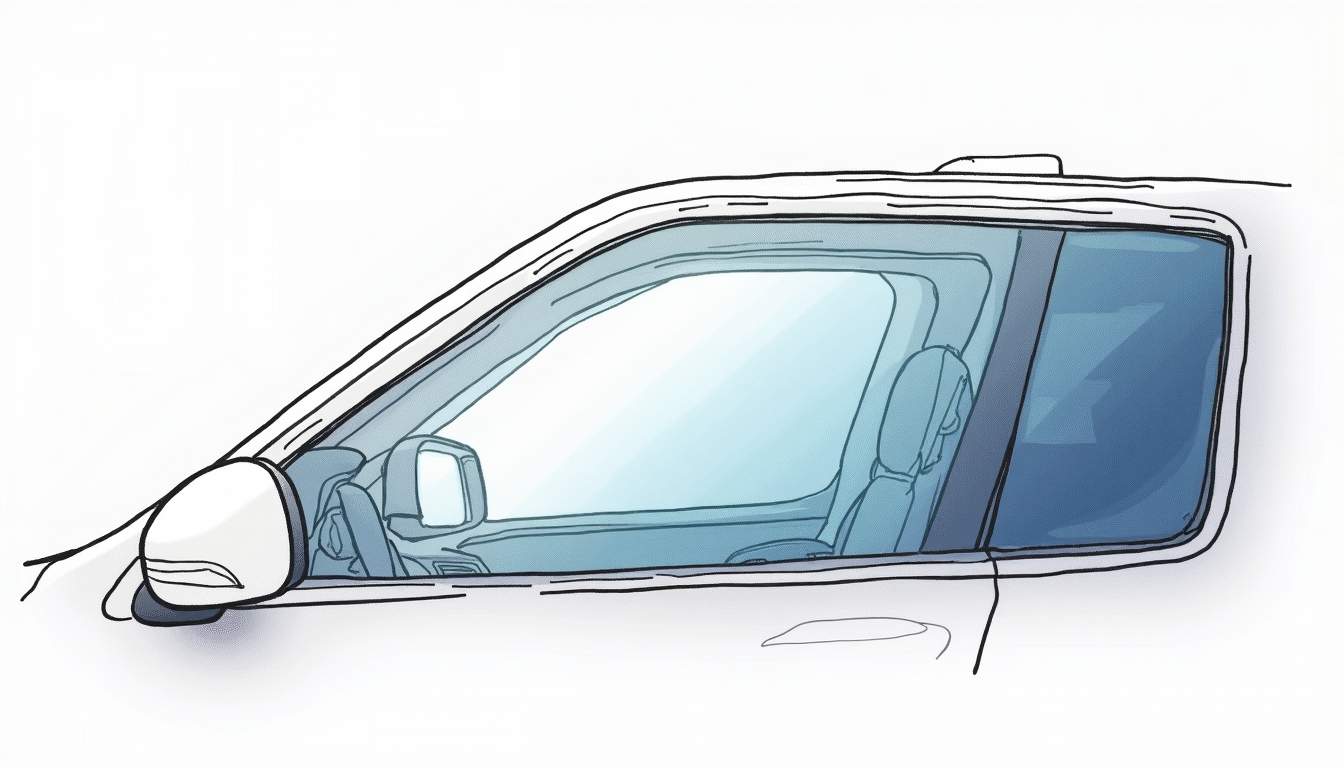
In many U.S. states, front side windows must allow more light through than rear side or back windows. For example, a common legal limit for front side windows is around 70% VLT, meaning the tint can only block up to 30% of visible light. Rear windows often have more lenient rules, sometimes allowing VLT as low as 20% or even darker.
Some states also regulate the tint on the windshield, typically allowing only a non-reflective strip at the top (often called an “eyebrow” tint) while requiring the rest of the windshield to have very high VLT, usually above 70-75%.
Factors Influencing Tint Laws
Several factors influence how tint laws are written and enforced:
- Safety Concerns: Ensuring drivers have clear visibility to prevent accidents.
- Law Enforcement: Allowing police officers to see inside vehicles for safety during traffic stops.
- Privacy: Balancing privacy rights with public safety.
- Climate: Hotter regions may permit darker tints to reduce heat.
Because of these factors, it’s crucial to check local regulations before applying window tint to avoid legal trouble.
How to Check Your Local Tint Laws
To find out the specific VLT limits in your area, start by visiting your state or country’s Department of Motor Vehicles (DMV) website or equivalent authority. Many provide detailed guidelines on acceptable tint percentages for different windows. Additionally, professional tint shops like OC Tint Solutions are usually well-versed in local laws and can advise you accordingly. For more details, check the regulations through the following link: https://octintsolutions.com/
Remember that laws can change, so staying updated is important if you plan to move or purchase a new vehicle.
Choosing the Right Tint Film: Balancing Style, Comfort, and Compliance
Selecting the perfect window tint involves more than just picking a shade. Understanding the types of films available and their properties will help you make an informed decision that complies with legal limits and meets your needs.
Types of Window Tint Films
There are several types of tint films, each with distinct characteristics:
- Dyed Film: Uses a layer of dye to absorb light and reduce glare. It’s affordable but may fade over time.
- Metalized Film: Contains tiny metallic particles that reflect heat and UV rays. It’s durable and effective but can interfere with electronic signals like GPS or cell reception.
- Carbon Film: Offers a matte finish and blocks infrared light effectively. It doesn’t fade and doesn’t interfere with electronics.
- Ceramic Film: The most advanced type, ceramic films block heat and UV rays without affecting visibility or electronics. They are more expensive but provide excellent performance.
Considering VLT When Selecting Film
When choosing a film, consider the VLT percentage that aligns with your local laws and your personal preferences. For example, if your state mandates a minimum of 70% VLT on front windows, selecting a film with a 50% VLT would be illegal. However, you might choose a 70% or 60% film for a subtle tint that complies with regulations.
For rear windows, you might opt for a darker tint if allowed, enhancing privacy and heat rejection. Always verify the legal limits for each window type before installation.
Benefits of Proper Tinting
Properly selected and installed window tint offers numerous advantages:
- Reduced Heat: Tint films can block up to 60% or more of solar heat, making your vehicle more comfortable.
- UV Protection: Many films block up to 99% of harmful UV rays, protecting your skin and interior materials.
- Glare Reduction: Tint reduces glare from the sun and headlights, improving driving comfort.
- Enhanced Privacy: Darker tints provide privacy for passengers and belongings.
- Shatter Resistance: Tint films can hold shattered glass together in case of accidents or break-ins.
How to Measure Your Current Window Tint VLT
If you already have tinted windows and want to check their VLT, there are several methods available. Measuring VLT accurately helps you determine if your tint complies with legal standards or if you need to make adjustments.
Using a VLT Meter
The most accurate way to measure VLT is with a handheld VLT meter, a device designed to measure the percentage of visible light passing through a window. These meters are used by law enforcement and professional tint installers.
You can purchase a VLT meter online or at automotive stores. To use it, place the meter on the inside of the window, ensuring a tight seal, and read the percentage displayed. Repeat the process on different windows to get a complete picture.
Professional Assessment
If you don’t want to invest in a meter, many tint shops or vehicle inspection stations offer VLT measurement services. They can quickly assess your tint and inform you if it meets local regulations.
DIY Estimation Methods
While not precise, some people use smartphone apps or visual comparisons to estimate tint darkness. However, these methods are unreliable and should not be used to determine legal compliance.
Consequences of Illegal Tinting
Ignoring tint laws can lead to several issues that affect your safety, wallet, and vehicle legality.
Fines and Penalties
Most jurisdictions impose fines for illegal window tinting. These fines vary widely but can be costly, especially if multiple violations occur. In some cases, repeated offenses may lead to increased penalties or points on your driver’s license.
Vehicle Inspection Failures
In areas requiring periodic vehicle inspections, illegal tint can cause your vehicle to fail, preventing you from renewing registration until the tint is corrected or removed.
Safety Risks
Excessively dark tints can impair visibility, especially at night or in poor weather conditions. This increases the risk of accidents and can endanger both the driver and others on the road.
Law Enforcement Issues
Dark tints can make law enforcement officers wary during traffic stops, potentially escalating situations or leading to additional searches. Transparent windows help maintain clear communication and safety for everyone involved.
Tips for Compliant and Effective Window Tinting
To enjoy the benefits of window tinting without legal or safety issues, consider these practical tips:
- Research Local Laws: Always check the latest tint regulations before purchasing or installing film.
- Choose Quality Films: Invest in reputable brands that offer certified VLT ratings and UV protection.
- Professional Installation: Have your tint installed by experienced professionals to ensure proper application and compliance.
- Keep Documentation: Retain receipts and certification documents that specify the VLT of your tint in case of legal inquiries.
- Regularly Inspect Your Tint: Over time, some films may degrade or peel, affecting visibility and legality.
Conclusion
Understanding Visible Light Transmission (VLT) and the legal limits on window tinting is essential for anyone considering tinted films on their vehicle. VLT determines how much light passes through your windows, affecting visibility, safety, and comfort. Legal limits vary widely, so it’s important to research your local laws and select a tint that balances style, privacy, and compliance.
By choosing the right film type, measuring VLT accurately, and adhering to regulations, drivers can enjoy the many benefits of window tinting without risking fines or safety issues. Whether you prioritize heat reduction, UV protection, or aesthetics, informed decisions ensure your vehicle remains both stylish and street-legal.