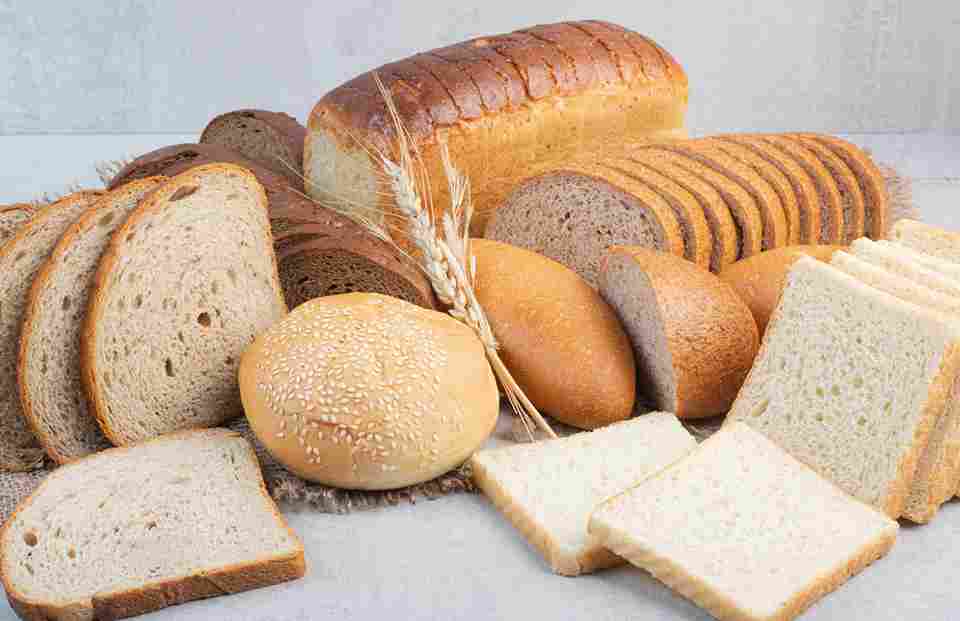
Finding a good bakery can be exciting, especially when you care about the ingredients that go into your food. If you’re in Berkeley, California, and looking for bread made from organic ingredients, there are a few things you should know before making a choice. Organic bread is more than just a label—it’s about how the ingredients are grown, how the bread is made, and how it supports your lifestyle.
When you walk into an organic bread bakery, you should feel confident asking questions. These questions help you understand where the ingredients come from, how the bread is made, and what makes it different from standard store-bought options.
This guide shares five simple but essential questions to ask the next time you visit an organic bakery in Berkeley.
1. Are Your Ingredients Certified Organic?
Why it matters:
Not all ingredients labeled “organic” are the same. Ask if the bakery uses certified organic flour and other raw materials. Certification ensures that the ingredients are grown without synthetic pesticides or fertilizers and meet national organic standards.
What to listen for:
Look for clear answers. Some bakeries use primarily organic ingredients but may not have official certification. While that doesn’t always mean lower quality, certified products come with more trust and accountability. It’s good to know what you’re eating and how it was sourced.
Follow-up question:
Do you use organic sugar, salt, or oil in your recipes, too?
2. What Type of Flour Do You Use?
Why it matters:
The type of flour affects the bread’s texture, taste, and nutrition. Organic bread bakeries often use whole grain, spelled, rye, or other alternative flours that carry more fiber and nutrients.
What to listen for:
Ask if the flour is stone-ground or milled locally. Freshly milled flour keeps more nutrients. Some bakeries even work with small farms that grow heritage wheat varieties. This adds variety to the bread and often results in better digestibility.
Follow-up question:
Do you use bleached or enriched flour in any of your loaves?
3. How Long Do You Ferment Your Dough?
Why it matters:
Fermentation time affects how the bread tastes and its impact on your body. A longer fermentation process—such as those used in traditional sourdough—can break down gluten, making bread easier to digest. It also helps natural flavors develop.
What to listen for:
Many organic bakeries opt for natural fermentation and refrain from using commercial yeast. This slow-rise method is not just a trend; it’s based on traditional baking techniques. If a bakery takes time to let the dough rest and rise, it’s often a sign of quality.
Follow-up question:
Is this bread made using a sourdough starter or instant yeast?
4. Do You Use Any Preservatives or Additives?
Why it matters:
One reason people choose organic bread is to avoid chemicals and additives. Traditional store-bought bread often has stabilizers and preservatives to extend shelf life. An organic bread bakery should avoid these ingredients.
What to listen for:
Ask what keeps their bread fresh. Most organic bakeries rely on baking fresh daily and may suggest freezing if you want to keep it longer. A short list of ingredients typically means fewer chemicals and higher-quality whole foods.
Follow-up question:
How should I store your bread to keep it fresh without preservatives?
5. Is the Bread Baked On-Site Daily?
Why it matters:
Freshness makes a difference. Bread baked on-site daily typically tastes better and has a better texture. It also indicates that the bakery is committed to quality and freshness.
What to listen for:
Ask what time the bread comes out of the oven. Some bakeries bake early in the morning and sell out by afternoon. This also helps you plan the best time to visit. Bread that is made locally and sold within hours supports the idea of eating fresh and seasonal.
Follow-up question:
Do you ever sell day-old bread at a discount or donate it to a local charity?
Visiting an organic bread bakery in Berkeley can be a great experience when you know what to ask. These questions are simple but powerful. They provide insight into how the bread is made and whether it aligns with your values and needs.
Berkeley is home to individuals who prioritize healthy food, sustainability, and quality. That’s why it’s essential to support bakeries that take time and care in their process.
Final Words!
Next time you visit a bakery in Berkeley, use these five questions as a guide. It can help you connect with the bakers, learn more about your food, and enjoy bread made with intention.
If you’re looking for a bakery that reflects all of these values, Lavender Bread & Cafe is one to explore. They focus on baking with organic ingredients, using traditional fermentation methods, and offering fresh loaves made right on-site. Their commitment to clean ingredients and care in baking makes them a strong choice for anyone searching for organic, wholesome bread in Berkeley.