Introduction
In today’s hyper-competitive global economy, operational efficiency is no longer a luxury—it’s a necessity. For businesses in the UAE, the adoption of technology is not only shaping the future but redefining the present. One such transformative tool is the ERP system (Enterprise Resource Planning). It is reshaping industries across the Emirates, helping enterprises achieve seamless integration, optimized productivity, and unparalleled decision-making capability.
This blog post will take you through a deep and engaging journey that explores:
-
What an ERP system is and how it works,
-
Why ERP systems are becoming crucial in the UAE,
-
Real-world ERP system examples, and
-
How companies in the UAE can harness ERP power for sustainable growth.
Whether you’re an entrepreneur, IT strategist, or a business analyst in the UAE, this comprehensive guide will help you grasp ERP’s strategic value and make informed choices.
🚀 What Is an ERP System?
An ERP system refers to a suite of integrated software applications that automate and manage core business processes—such as finance, HR, supply chain, procurement, inventory, sales, and customer relationship management—within a centralized platform.
Key Functions of ERP Systems:
-
Integration: Bridges multiple departments with one data source.
-
Automation: Reduces manual tasks and human error.
-
Real-time Reporting: Ensures informed decision-making.
-
Scalability: Adapts to growing business needs.
-
Compliance & Security: Aligns with industry standards and regulations.
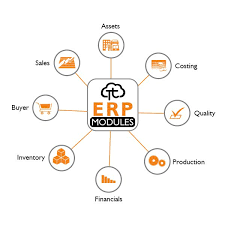
Core Modules in ERP Systems:
-
Finance & Accounting
-
Human Resources
-
Customer Relationship Management (CRM)
-
Inventory Management
-
Manufacturing & Production
-
Sales & Marketing
-
Procurement
With these components integrated, ERP becomes a powerhouse for productivity, cost-efficiency, and agility.
🌍 ERP System in UAE: Driving Digital Transformation
The UAE is at the forefront of digital transformation in the Middle East. From SMEs to government departments and large enterprises, adopting ERP system in UAE has become a strategic initiative.
Why ERP Is Booming in UAE:
-
Vision 2030 Alignment: UAE’s strategic focus on smart governance and sustainable economic growth.
-
SME Digitalization: Government support for startups and digital transformation of SMEs.
-
Global Trade Hub: UAE’s role as a logistics and financial center demands process optimization.
-
Sector-Wide Relevance: ERP is used in healthcare, retail, construction, education, logistics, oil & gas, and more.
Top ERP Trends in UAE:
-
Cloud ERP Adoption (e.g., Oracle Cloud, Microsoft Dynamics 365)
-
AI Integration with ERP
-
Mobile-First ERP Applications
-
Industry-Specific ERP Customization
Benefits for UAE Businesses:
-
Centralized control over regional and international operations
-
Multilingual and multi-currency support
-
Better customer experience and quicker service delivery
-
Improved compliance with UAE VAT laws and financial regulations
💡 ERP System Examples from Real Businesses
Understanding theory is great—but what about actual ERP system examples? Here are notable global and regional ERP solutions implemented by businesses in the UAE and worldwide.
1. SAP ERP
Who uses it: Emirates Airlines, DP World
Use case: Complex logistics and financial planning
2. Oracle ERP Cloud
Who uses it: ADNOC, Dubai Municipality
Use case: Streamlining finance, HR, procurement in public and private sectors
3. Microsoft Dynamics 365
Who uses it: Carrefour UAE
Use case: Sales, inventory, CRM, and retail operations
4. Odoo ERP
Who uses it: SMEs across UAE
Use case: Cost-effective solution for startups and mid-sized businesses
5. Zoho ERP
Who uses it: Freelancers and SMEs
Use case: All-in-one suite for accounting, inventory, HR, and project management
These examples show that ERP isn’t a one-size-fits-all solution; instead, businesses can pick systems aligned with their size, industry, and scalability needs.
💼 Key Benefits of ERP Implementation
1. Boosted Productivity
Automating redundant tasks frees up time for innovation and strategic thinking.
2. Reduced Operational Costs
Centralized platforms reduce licensing, training, and IT infrastructure expenses.
3. Enhanced Decision-Making
Real-time analytics offer deep insights into business performance.
4. Improved Collaboration
Cross-departmental access ensures everyone is on the same page.
5. Better Customer Service
Faster processing, order tracking, and response times increase customer satisfaction.
🛠️ How to Choose the Right ERP System in UAE
Choosing an ERP system is a critical decision. Here’s a roadmap tailored for UAE businesses:
Step 1: Define Your Business Needs
Understand pain points—are they in finance, inventory, HR, or customer service?
Step 2: Set a Budget
Include licensing, customization, implementation, training, and support.
Step 3: Evaluate Deployment Options
-
On-premise
-
Cloud-based
-
Hybrid
Step 4: Prioritize UAE Localization Features
-
Arabic language support
-
VAT compliance
-
Local currency management
-
UAE labor law integration
Step 5: Assess Vendor Support & Scalability
Ensure long-term compatibility, updates, and technical support.
📈 Future of ERP Systems in UAE
The next phase of ERP is not just about data management but intelligent decision-making. Here’s where the ERP evolution is heading:
1. AI & Machine Learning Integration
Automated forecasting, smart inventory alerts, and self-learning algorithms.
2. IoT + ERP
Smart tracking of goods, predictive maintenance, and enhanced logistics.
3. Blockchain
Better supply chain transparency and secure transaction records.
4. Hyper-personalization
Role-based dashboards and AI-driven recommendations.
📊 ERP System Market Leaders in UAE
Here are some of the leading ERP providers making waves in the UAE:
| ERP Provider | Best For | Pricing Model |
|---|---|---|
| SAP | Large enterprises | Tiered subscription |
| Oracle Cloud ERP | Government, Oil & Gas | Custom quote |
| Microsoft Dynamics | Retail, Education, SMEs | Per user/month |
| Odoo | Startups, E-commerce | Open-source & paid plan |
| Zoho One | Freelancers, SMBs | Affordable bundle |
✅ Conclusion
ERP systems are transforming the business landscape of the UAE. From multinational corporations to small startups, the right ERP solution can be the difference between growth and stagnation. UAE’s focus on digitization, smart cities, and business excellence means that now is the ideal time to invest in a robust ERP strategy.
Whether you’re exploring ERP systems for the first time or looking to upgrade, focus on your needs, scalability, and localization when making a decision. Remember, ERP is not just software—it’s a long-term business strategy.
❓FAQs about ERP Systems in UAE
1. What is the best ERP system for a small business in UAE?
A: Odoo and Zoho are popular ERP choices for SMEs due to their affordability and flexibility.
2. Is ERP software mandatory for VAT compliance in the UAE?
A: No, but ERP systems can automate VAT calculations and ensure timely compliance, which reduces error and penalties.
3. How much does ERP implementation cost in the UAE?
A: Costs vary depending on company size and needs. SME solutions like Zoho can start at a few hundred AED/month, while enterprise solutions like SAP may cost thousands.
4. Can ERP systems in UAE support Arabic and English?
A: Yes, most leading ERP vendors offer bilingual support for regional users.
5. How long does it take to implement an ERP system?
A: Typically, 3–12 months depending on the system’s complexity and organizational size.